Lithium Batteries, Air Travel, Battery Safety, Carry-On Rules, Thermal Runaway
Lithium polymer (Li‑Po) batteries are now standard in consumer electronics, drones, and professional equipment. Their high energy density makes them ideal for portable power but also introduces challenges during air transport. Aviation regulators classify Li‑Po cells as hazardous goods due to their potential fire risk. Experts agree that carrying these batteries in the cabin rather than checked baggage minimizes danger since cabin crew can respond quickly to incidents. The safest approach combines compliance with watt‑hour limits, proper packaging, and temperature control.
Overview of Li‑Po Battery Use in Air Travel
Li‑Po batteries are central to modern portable technology yet remain a sensitive subject in aviation safety. Their electrochemical design differs from cylindrical lithium‑ion cells, creating unique handling requirements when transported by air.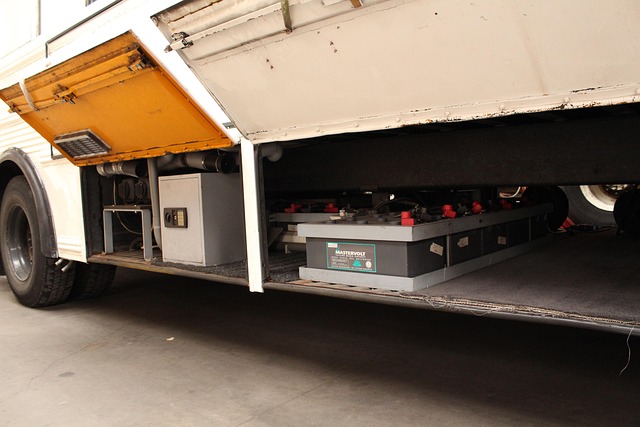
Understanding Lithium Polymer (Li‑Po) Battery Technology
A Li‑Po battery uses a polymer electrolyte rather than a liquid one, allowing flexible pouch designs and lightweight construction. Compared with traditional lithium‑ion cells, Li‑Po packs offer higher power output and faster discharge rates but are more vulnerable to physical damage. They are used in RC models, drones, cameras, and medical devices where compact energy storage is essential. However, their thin casing increases exposure to puncture or swelling under stress. Stability depends on electrolyte composition, separator integrity, and charge balance between cells—factors that directly affect safety during flight.
Regulatory Context for Transporting Li‑Po Batteries by Air
Airlines follow international frameworks such as IATA’s Dangerous Goods Regulations and FAA guidelines for lithium batteries. These specify watt‑hour thresholds: up to 100 Wh per cell is generally allowed in carry‑on luggage without airline approval; between 100 Wh and 160 Wh may require permission; above 160 Wh is restricted to cargo shipment under UN3480 or UN3481 classification. Checked baggage rules are stricter because inaccessible compartments increase response time during emergencies. EASA aligns with these standards across European carriers to harmonize enforcement.
Safety Considerations for Li‑Po Batteries in Carry‑On Luggage
Airline policies favor carrying Li‑Po cells in the cabin because immediate intervention reduces the risk of uncontrolled combustion. This section explores why such restrictions exist and how travelers can prevent incidents.
The Rationale Behind Carry‑On Restrictions
Thermal runaway—a chain reaction causing rapid heat buildup—is the main reason aviation authorities require passengers to keep spare Li‑Po batteries in hand luggage. If smoke or flames appear midflight, trained crew can isolate the device using containment bags or fire-resistant gloves. In contrast, an incident in the cargo hold could go unnoticed until it becomes critical. Preventive measures include keeping terminals insulated and avoiding overcharged packs before boarding.
Common Causes of Li‑Po Battery Incidents During Air Travel
Most inflight battery events trace back to mechanical stress or poor charging habits before travel. A crushed pouch cell can short internally even after hours of stability on the ground. Overcharging beyond manufacturer limits accelerates gas formation inside the cell layers. Cabin temperature variations also matter: while aircraft cabins stay near 22 °C, tarmac delays under sunlight can push stored luggage above 40 °C—enough to trigger swelling or venting.
Recommended Packaging and Handling Practices
Protective Measures for Individual Cells and Packs
Each Li‑Po pack should have its terminals covered with nonconductive tape or enclosed within an antistatic bag to prevent accidental contact with metal objects like keys or tools. Loose batteries rolling inside a backpack can short against each other; using rigid cases eliminates this hazard.
Storage Environment Considerations
Li‑Po chemistry performs best when partially charged at about 40–60 %. Fully charged packs stored for long periods experience internal stress that weakens separators. During transit, maintaining moderate temperatures is crucial; placing batteries near air vents rather than sealed compartments helps dissipate heat naturally.
Thermal Runaway Risks Associated With Air Transport
Thermal runaway remains the most serious threat linked to lithium polymer technology during flight operations. Understanding its chemical chain reaction helps explain why containment strategies focus on isolation rather than suppression alone.
Mechanisms Leading to Thermal Runaway in Li‑Po Cells
When internal shorts occur—often from dendrite growth or punctured separators—electrolyte decomposition releases oxygen and heat simultaneously. This self-feeding reaction raises cell temperature beyond 200 °C within seconds. In multi-cell packs like drone batteries, heat easily spreads across adjacent pouches through conductive aluminum layers, producing smoke or flame jets that can ignite nearby materials.
Mitigation Strategies Adopted by Airlines and Manufacturers
Airline Safety Protocols During Flight Operations
Cabin crews receive specific training on identifying early signs of battery failure such as hissing sounds or swelling devices. Modern aircraft carry lithium fire containment bags capable of isolating small electronics until landing. Some carriers stock halon extinguishers designed for electronic fires but rely primarily on cooling water after initial isolation since halon cannot stop thermal runaway reactions completely.
Advances in Battery Design for Enhanced Safety
Manufacturers now integrate current-limiting circuits that cut off flow during overload conditions and add pressure relief vents to release gases safely before casing rupture occurs. Research into solid-state electrolytes shows promise by replacing flammable solvents with ceramic conductors that resist ignition even under extreme abuse tests conducted by IEC standards committees.
Compliance With Current Carry-On Regulations for Experts and Professionals
Professionals transporting specialized gear—such as film crews or research teams—often carry high-capacity battery li po systems exceeding consumer limits. Compliance requires precise calculation and documentation before departure.
Evaluating Watt-Hour Limits for Professional Equipment Batteries
Watt-hour (Wh) rating equals voltage multiplied by ampere-hour capacity divided by one thousand (Wh = V × Ah). For instance, a 14.8 V pack rated at 10 Ah equals 148 Wh—placing it within the conditional range needing airline approval but still eligible for carry-on if properly declared under IATA Table 2.3.A thresholds (≤100 Wh unrestricted; 100–160 Wh limited).
Documentation and Declaration Procedures for Specialized Equipment
Requirements for Research or Industrial Transport Scenarios
Transporting prototype power systems or test modules requires preapproval from carriers’ dangerous goods departments at least several days before flight. Each package must display UN markings (UN3480 for standalone cells; UN3481 when installed in equipment) along with hazard labels showing lithium content symbols per ICAO Technical Instructions Part 2 Chapter 9 guidelines.
Emerging Trends in Battery Safety Standards and Future Regulations
The evolution of energy storage chemistry continues alongside tightening aviation safety frameworks worldwide. Researchers aim not only to increase capacity but also reduce volatility through new materials science approaches.
Ongoing Research on Safer Lithium-Based Chemistries for Aviation Use
Lithium iron phosphate (LiFePO₄) chemistry provides lower energy density than typical cobalt-based cathodes but offers superior thermal stability—its iron phosphate structure resists oxygen release even at elevated temperatures above 250 °C. Parallel studies explore nanostructured electrodes that improve conductivity without raising flammability risk, balancing performance with inherent safety advantages suitable for future aircraft applications.
Anticipated Updates to International Air Transport Rules
Harmonization Efforts Across Global Aviation Authorities
ICAO leads coordination among IATA, FAA, and EASA toward unified lithium battery transport standards expected within upcoming revisions of Annex 18 documentation. These updates will simplify compliance across jurisdictions while maintaining strict labeling consistency across passenger airlines worldwide.
Impact on Manufacturers, Carriers, and End Users
Producers will need clearer certification pathways proving cell-level abuse tolerance under ISO/IEC testing sequences before market release. Airlines may invest more heavily in onboard detection sensors capable of identifying early off-gassing events from electronic cargo compartments—a shift likely mirrored by stricter traveler declarations at check-in counters over time.
FAQ
Q1: Can passengers bring multiple Li‑Po batteries on board?
A: Yes, multiple packs are allowed if each remains below individual watt-hour limits defined by IATA regulations; quantities must still be reasonable for personal use only.
Q2: Why do airlines ban spare batteries from checked luggage?
A: Because inaccessible cargo holds delay response time if a thermal event occurs; cabin storage allows immediate crew action using containment tools.
Q3: How should damaged Li‑Po batteries be handled before flying?
A: Swollen or punctured packs should never travel; they must be discharged safely and recycled through certified e-waste facilities before any trip.
Q4: Are drone batteries treated differently from laptop ones?
A: No major difference exists except capacity; both follow identical watt-hour classifications though drone packs often require additional terminal protection due to exposed connectors.
Q5: Will future regulations change how professionals transport high-capacity packs?
A: Likely yes—upcoming harmonization efforts aim to tighten documentation requirements while permitting safer chemistries like solid-state cells under revised UN codes.