
Small Wind Moves Into Rural Hybrid Energy Planning Across US
Miniature wind turbines are reshaping rural hybrid energy systems across the United States. Their compact design, low maintenance, and compatibility with solar and storage technologies make them a practical choice for decentralized electrification. As rural communities seek resilient and cost-effective solutions, small wind power is no longer experimental—it’s becoming an integral part of hybrid microgrids that blend multiple renewable sources for stable supply and local autonomy.
The Emerging Role of Miniature Wind Turbines in Rural Hybrid Energy Systems
The rise of miniature wind turbines marks a turning point for distributed renewable generation. These systems bring flexibility to areas where large-scale wind farms are impractical due to terrain or cost constraints.
Definition and Scale of Miniature Wind Turbines Compared to Conventional Systems
A miniature wind turbine generally refers to units rated below 20 kW, designed for residential, agricultural, or microgrid use. Unlike utility-scale turbines exceeding 1 MW, they feature shorter towers—often under 25 meters—and smaller rotor diameters that suit low-wind-speed environments.
Technical Characteristics: Power Range, Rotor Design, and Control Systems
Modern small turbines employ variable-pitch rotors and permanent magnet generators to improve efficiency at fluctuating speeds. Many include electronic controllers that regulate voltage output and integrate with hybrid inverters shared by solar arrays.
Integration Potential with Existing Renewable Energy Infrastructures
Because of their modularity, miniature wind systems can connect seamlessly with photovoltaic panels or battery banks. This adaptability allows incremental upgrades as energy demand grows without major redesigns.
The Evolution of Distributed Wind Energy for Rural Applications
Distributed wind has evolved from isolated farm installations into coordinated energy assets within rural hybrid networks. This transformation reflects both policy support and technical progress.
Historical Context of Small-Scale Wind Adoption in Rural Areas
Early rural electrification programs in the mid-20th century relied on small mechanical windmills before grid expansion reached remote regions. The modern revival began when net metering policies encouraged on-site generation again.
Policy Drivers and Technological Innovations Enabling Wider Deployment
Federal production tax credits, coupled with state-level renewable portfolio standards, have made small wind financially viable. Advances in composite materials and digital monitoring have also lowered maintenance costs.
Shifts From Centralized to Distributed Hybrid Energy Planning Models
Rural planners now favor distributed architectures where multiple small systems feed local loads rather than depending on distant transmission lines. This decentralization enhances reliability during grid outages or natural disasters.
Integrating Miniature Wind Turbines into Hybrid Energy Frameworks
As hybrid energy models mature, miniature wind turbines play a balancing role between solar variability and storage capacity needs.
Synergies Between Wind, Solar, and Storage Systems
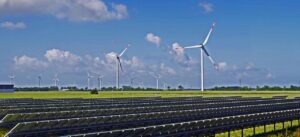
Wind often peaks at night or during cloudy weather when solar output drops. Combining these sources smooths total generation curves, reducing the required battery size while maintaining supply continuity.
Role of Battery Storage in Balancing Intermittent Renewable Sources
Lithium-ion or flow batteries store excess power during high-wind periods for later use. In small grids, even short-duration storage—two to four hours—can stabilize voltage fluctuations effectively.
Control Strategies for Optimizing Hybrid System Efficiency and Reliability
Hybrid controllers employ predictive algorithms based on weather forecasts to prioritize charging or discharging cycles. Adaptive scheduling minimizes curtailment losses and extends component life.
Grid-Connected vs. Off-Grid Configurations in Rural Settings
Choosing between grid-tied and standalone setups depends on site accessibility, policy incentives, and reliability goals.
Technical Differences Between Grid-Tied and Standalone Hybrid Systems
Grid-connected miniature turbines synchronize frequency through smart inverters that meet IEEE 1547 interconnection standards. Off-grid systems rely on dedicated controllers managing both load sharing and storage charge states.
Benefits of Off-Grid Systems for Remote Agricultural or Residential Sites
For ranches or islanded communities far from substations, off-grid hybrids eliminate fuel transport costs associated with diesel generators while providing consistent power for irrigation pumps or refrigeration units.
Smart Microgrid Architectures Supporting Rural Electrification Efforts
Microgrids equipped with communication-enabled controllers allow autonomous operation yet can reconnect seamlessly when central grids stabilize—a model increasingly promoted by U.S. Department of Energy pilot projects.
Technical Considerations in Designing Miniature Wind-Based Hybrid Systems
Designing an efficient hybrid system requires careful assessment of local resources, component sizing, and cost-performance trade-offs.
Site Assessment and Resource Characterization
Accurate measurement of local wind profiles using ultrasonic anemometers over several months helps determine feasible turbine placement. Even minor topographic variations can alter mean speeds significantly at micro-scales.
Influence of Terrain, Turbulence, and Height on Turbine Performance
Smooth terrain yields higher capacity factors than wooded valleys where turbulence reduces rotor efficiency. Raising hub height by just 10 meters can increase annual energy yield by up to 20 percent in low-wind zones.
Data Acquisition Tools for Accurate Modeling and Simulation
Software like WAsP Micro or NREL’s SAM enables simulation of hybrid performance under variable conditions using real meteorological datasets combined with load profiles from smart meters.
System Sizing and Component Optimization
Sizing each subsystem correctly determines long-term reliability more than any single technology upgrade could achieve.
Criteria for Selecting Turbine Capacity Relative to Load Demand Profiles
Designers typically match turbine capacity to cover base load consumption while solar PV handles daytime peaks; oversizing leads to wasted generation unless storage is expanded accordingly.
Integration of Power Electronics, Controllers, and Hybrid Inverters
Hybrid inverters consolidate DC inputs from both PV panels and turbine rectifiers into AC output synchronized with either grid or microgrid frequency standards such as IEC 61400-2 guidelines for small wind safety compliance.
Balancing Cost, Efficiency, and Redundancy in Design Strategies
Adding redundancy through parallel inverter strings may raise initial cost but prevents full-system downtime during maintenance—an important consideration where service access is limited seasonally.
Economic and Policy Dimensions Influencing Deployment
Financial feasibility remains central to scaling miniature wind adoption within rural hybrid frameworks across the U.S.
Cost Structures and Financial Viability of Miniature Wind Systems
Capital expenses include tower fabrication (around 25–30 percent), turbine hardware (40 percent), installation labor (15 percent), plus periodic maintenance over its 20-year lifespan. Levelized costs often compete favorably with diesel-based microgrids once fuel logistics are considered.
Levelized Cost of Energy (LCOE) Comparisons With Other Distributed Resources
Recent IRENA data show LCOE values for small wind averaging $0.08–$0.15 per kWh depending on site quality—comparable to rooftop solar but offering complementary seasonal generation patterns beneficial for mixed-resource portfolios.
Financing Mechanisms: Grants, Community Ownership Models, Tax Incentives
Community cooperatives increasingly finance installations via collective ownership schemes supported by USDA grants or investment tax credits that offset up to 30 percent of capital expenditure under current federal policy frameworks.
Regulatory Frameworks Supporting Rural Hybrid Energy Development
Permitting rules vary widely among states but generally streamline projects below specific height thresholds or rated capacities defined under local zoning ordinances. Compliance with national electrical codes remains mandatory regardless of scale.
Technological Innovations Driving Next-Generation Miniature Wind Solutions
Ongoing R&D efforts focus on improving materials durability while embedding intelligence into control architectures suitable for autonomous operation within hybrid networks.
Advances in Materials and Aerodynamic Design
Lightweight carbon-fiber blades reduce rotational inertia enabling faster response under gusty conditions while minimizing acoustic emissions—a key factor near residential areas. Modular nacelles simplify transport along narrow rural roads where cranes cannot operate easily.
Digitalization and Smart Control Integration
IoT-based sensors feed continuous data streams into cloud dashboards enabling predictive maintenance alerts before failures occur; this approach cuts downtime dramatically compared with reactive servicing schedules still common today.
Environmental and Societal Impacts in Rural Contexts
Beyond technical merit lies social value: miniature wind contributes directly to sustainability goals while strengthening community resilience against volatile fuel markets or extreme weather disruptions.
Contribution to Local Sustainability Goals
Replacing diesel gensets cuts greenhouse gas emissions substantially; even a 10 kW unit operating year-round can offset several tons of CO₂ annually according to IEA emission factors used in distributed generation assessments.
Social Acceptance and Community Engagement Strategies
Transparent consultation processes build trust among landowners concerned about noise or aesthetics; educational workshops further demystify system operation encouraging broader participation in cooperative energy planning initiatives across rural counties.
Future Directions for Research and Implementation Strategies
Emerging research explores coupling miniature wind assets with hydrogen electrolysis units or bioenergy digesters extending off-grid autonomy beyond current battery limits—a promising path toward full decarbonization at community scale.
FAQ
Q1: What defines a miniature wind turbine?
A: It typically refers to a unit below 20 kW capacity designed for household or farm-scale applications rather than utility-level production.
Q2: How do miniature turbines complement solar PV?
A: They generate power when sunlight is scarce—at night or during storms—balancing total renewable output across seasons.
Q3: Are small turbines noisy?
A: Modern designs use aerodynamic blades producing sound levels similar to background wind noise at distances beyond 30 meters.
Q4: What maintenance do they require?
A: Routine inspection every six months covering blade integrity checks, lubrication points, and electrical connection tests ensures optimal performance longevity.
Q5: Can they operate entirely off-grid?
A: Yes; when paired with batteries or other renewables within microgrid frameworks they deliver stable electricity independent from national grids.