
How Renewable Energy Can Be Most Efficiently Integrated Into the Electric Grid
The most efficient renewable energy systems combine advanced technology, smart grid management, and robust policy frameworks. Integration efficiency depends on balancing generation variability with flexible storage and digital control. Solar and wind, while variable, can reach high system efficiency when paired with predictive analytics and grid-level storage. The future electric grid will rely on hybrid renewable setups, AI-driven forecasting, and flexible market designs that reward responsiveness rather than static capacity.
Evaluating the Efficiency of Renewable Energy Sources
Efficiency in renewables involves more than raw conversion rates; it includes transmission performance and lifecycle sustainability. Comparing sources reveals how each technology interacts with geography, climate, and infrastructure maturity.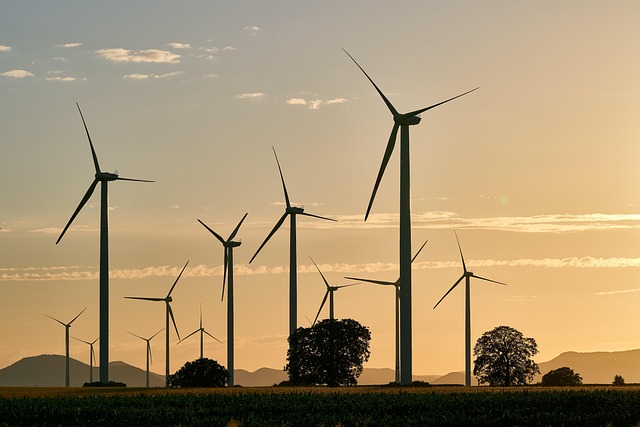
Assessing Efficiency Metrics in Renewable Energy Systems
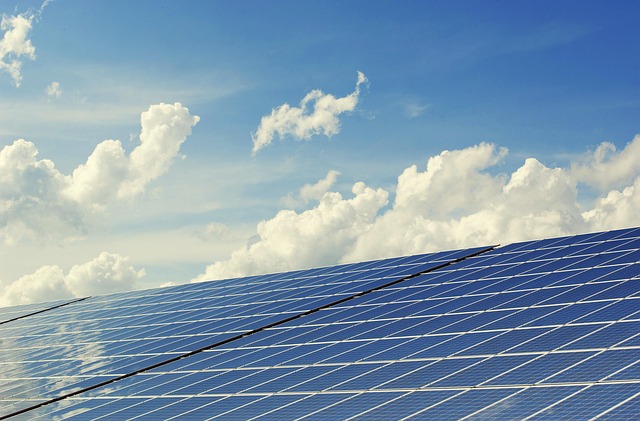
Efficiency in renewable energy measures how effectively a system converts natural inputs—sunlight, wind, or heat—into usable electricity. Conversion efficiency evaluates direct transformation from source to power, while transmission efficiency considers losses across lines. Lifecycle efficiency accounts for manufacturing and decommissioning impacts. For instance, crystalline silicon solar panels typically achieve 18–22% conversion efficiency, while wind turbines convert 35–45% of kinetic energy into electricity depending on site conditions.
Comparing Efficiency Benchmarks Across Solar, Wind, Hydro, and Geothermal Systems
Hydropower remains the most efficient renewable source at over 90% energy conversion due to minimal thermodynamic loss. Wind follows closely but depends heavily on turbine design and average wind speeds. Geothermal plants maintain steady baseload output with efficiencies between 10–20%, constrained by heat extraction limits. Solar PV’s lower conversion rate is offset by scalability and modular deployment potential across rooftops or utility-scale farms.
Regional Factors Influencing Effective Efficiency
Regional conditions such as solar irradiance levels or wind consistency shape real-world performance more than laboratory metrics do. In desert regions like the Middle East or southwestern United States, solar achieves higher annual yields per installed kilowatt than in temperate zones. Coastal Europe benefits from offshore wind’s stronger currents but faces higher maintenance costs that affect net efficiency.
Technological Advances Enhancing Renewable Efficiency
Recent innovations are reshaping what qualifies as the most efficient renewable energy system. Material science breakthroughs and digital optimization tools have narrowed the gap between theoretical and operational performance.
Innovations in Photovoltaic Materials and Turbine Design
Next-generation PV materials such as perovskites are pushing solar cell efficiencies beyond 25%. These materials can be layered onto flexible substrates for lightweight installations. Similarly, modern wind turbines employ variable-pitch blades and taller towers to capture low-speed winds efficiently. Offshore floating platforms extend access to deep-water sites previously unreachable by fixed foundations.
Hybrid Systems Combining Multiple Renewable Sources
Hybrid configurations—like solar-wind or hydro-solar plants—stabilize generation profiles by blending complementary resources. For example, solar output peaks during daytime hours while wind often intensifies at night, creating a balanced load curve that reduces storage needs. Some regions use geothermal base generation alongside intermittent renewables to provide steady frequency support.
Digital Monitoring and Predictive Maintenance for High Efficiency
Digital twins and IoT sensors allow operators to monitor equipment health in real time. Predictive analytics detect anomalies before failures occur, minimizing downtime. Machine learning models trained on historical performance data can schedule maintenance during low-demand periods to maximize uptime across fleets of turbines or panels.
Grid Integration Challenges for High-Efficiency Renewables
Even highly efficient generation technologies face integration barriers when connected to legacy grids designed for centralized fossil-based plants.
Variability and Intermittency Issues
Fluctuations in sunlight or wind speed cause short-term imbalances between supply and demand. Grid operators rely on advanced forecasting tools using satellite imagery and meteorological modeling to predict generation patterns hours ahead. When forecasts miss sudden drops in output, curtailment management systems temporarily reduce load or activate reserves from storage units or gas peakers.
Infrastructure Limitations in Existing Grids
Many grids still operate with one-way power flow assumptions unsuitable for distributed renewables. Transmission bottlenecks appear when remote wind farms feed into congested nodes without sufficient capacity upgrades. Aging substations also struggle with voltage regulation under variable input conditions from rooftop PV systems or microgrids.
Advanced Energy Storage as a Key Enabler of Integration
Storage technologies bridge the temporal mismatch between renewable supply peaks and consumption cycles, allowing renewables to behave like dispatchable assets.
The Role of Energy Storage in Balancing Supply and Demand
Lithium-ion batteries dominate short-duration applications up to four hours due to their fast response times. Pumped hydro storage provides large-scale balancing capacity lasting several days but requires suitable terrain. Thermal storage systems capture excess solar heat for later electricity production or district heating use.
Storage Duration Requirements for Different Renewable Mixes
Regions dominated by solar need diurnal storage covering evening peaks; those reliant on wind require longer-duration reserves spanning multi-day calm periods. Hybridizing battery arrays with hydrogen electrolysis extends flexibility beyond daily cycles by converting surplus power into storable fuel.
Emerging Technologies Like Flow Batteries and Hydrogen Storage
Flow batteries using vanadium electrolytes offer scalable capacity through larger tanks rather than additional cells, making them ideal for grid-level deployments exceeding ten hours of discharge time. Hydrogen produced via electrolysis serves dual roles—as chemical energy storage and as feedstock for industrial processes—enhancing overall system value chains.
Smart Grids and Digital Transformation in Renewable Integration
Smart grids form the digital backbone enabling coordination among distributed generators, consumers, and storage assets within dynamic networks.
The Function of Smart Grids in Managing Distributed Resources
A smart grid integrates sensors, communication links, and automated controls that facilitate two-way data exchange between producers and consumers. This architecture supports decentralized decision-making where local controllers adjust flows autonomously based on voltage or frequency deviations instead of waiting for central dispatch commands.
Communication Protocols Enabling Real-Time Data Exchange Between Assets
Protocols such as IEC 61850 standardize communication among substations, DERs, and control centers to ensure interoperability across equipment vendors. Real-time telemetry enables millisecond-level responses essential for frequency containment services as renewable penetration increases beyond 50%.
Decentralized Control Mechanisms for Autonomous Grid Operation
Microgrids exemplify decentralized control where communities operate independently during outages yet reconnect seamlessly afterward. Blockchain-based transaction layers now allow peer-to-peer energy trading within these networks without central intermediaries.
Policy Frameworks and Market Mechanisms Supporting Efficient Integration
Technical progress alone cannot achieve full integration; regulatory clarity and economic incentives align investor behavior toward sustainable outcomes.
Regulatory Models Encouraging Renewable Penetration into Grids
Feed-in tariffs historically guaranteed stable returns but are gradually replaced by competitive auctions promoting cost reduction through scale efficiencies. Net metering policies reward prosumers who export surplus electricity back into distribution systems at retail-equivalent rates.
Standards Promoting Interoperability Between Technologies
International standards from IEC and IEEE define testing protocols ensuring compatibility among smart meters, converters, and communication interfaces across national grids—critical for seamless cross-border power trade within interconnected markets like Europe’s ENTSO-E network.
Economic Incentives Driving Innovation in Grid Integration Technologies
Carbon pricing mechanisms internalize externalities from fossil fuels, tipping investment flows toward cleaner alternatives such as advanced battery manufacturing or digital infrastructure upgrades supporting demand-side flexibility markets.
Future Directions for Efficient Renewable Grid Integration
The next decade will redefine what constitutes the most efficient renewable energy configuration through convergence across sectors—from transportation electrification to hydrogen ecosystems.
Emerging Technologies Shaping the Next Generation of Power Systems
Superconducting transmission lines promise near-zero loss transfer over long distances but remain costly at cryogenic operating temperatures. Vehicle-to-grid (V2G) systems could transform millions of parked electric vehicles into distributed storage resources providing ancillary services during peak demand windows.
Building Resilient Energy Networks Through Integrated Planning
Resilience planning now extends beyond redundancy toward adaptive coordination among electricity, transport fuels, water desalination plants, and heating networks under climate stress scenarios like prolonged droughts affecting hydropower reservoirs.
FAQ
Q1: What is currently considered the most efficient renewable energy source?
A: Hydropower holds the highest conversion efficiency above 90%, though its scalability is geographically limited compared with solar or wind expansion potential.
Q2: How do smart grids improve renewable integration?
A: They enable real-time monitoring and decentralized control so distributed resources can balance fluctuations autonomously without compromising stability.
Q3: Why is energy storage crucial for renewables?
A: It compensates intermittency by storing excess generation during low demand periods then releasing it when output drops or consumption spikes.
Q4: What role does policy play in achieving efficient integration?
A: Policies create market certainty through tariffs or auctions while standards guarantee technical interoperability essential for cross-system reliability.
Q5: Which emerging technology could reshape future grids?
A: Green hydrogen stands out as both an energy carrier capable of long-term storage and a means to decarbonize heavy industries linked with power sectors.