
Next-Generation Wind Technology
Next-generation wind turbine power generation is shifting from incremental improvements to a complete rethinking of how turbines are designed, controlled, and integrated into energy systems. The field now blends aerodynamics, materials science, and digital intelligence to deliver higher capacity factors and lower levelized costs of energy (LCOE). Offshore floating platforms, hybrid renewable parks, and AI-driven predictive maintenance are no longer experimental—they’re being deployed commercially. The conclusion is clear: the future of wind energy lies in smarter, lighter, and more connected systems that adapt dynamically to environmental variability.
Advancements in Wind Turbine Power Generation Technologies
The evolution of wind turbine power generation has been shaped by rapid innovation in design, control systems, and structural materials. Each improvement aims to increase efficiency while reducing maintenance costs and environmental impact.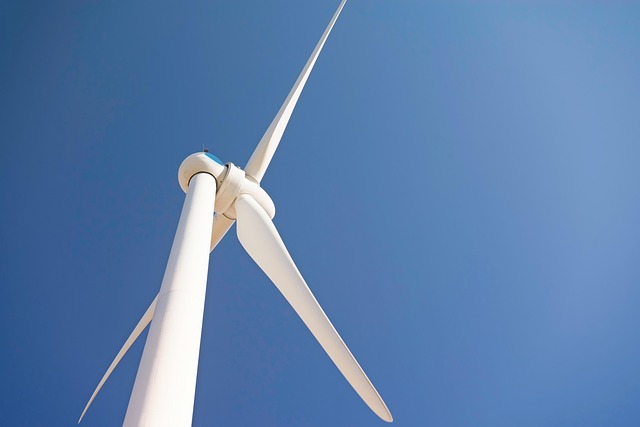
Evolution of Wind Turbine Design
The transition from traditional horizontal-axis turbines to advanced hybrid models marks a significant leap in engineering adaptability. Hybrid designs combine vertical and horizontal axis elements to capture wind from multiple directions with minimal losses. Lightweight composite materials such as carbon fiber-reinforced polymers have replaced steel in many components, cutting weight while improving fatigue resistance. Structural innovations—like taller hub heights exceeding 160 meters and rotor diameters surpassing 200 meters—enable turbines to access stronger winds at higher altitudes, boosting annual energy production by over 20% compared to earlier designs.
Power Conversion and Control Systems
Modern turbines rely on sophisticated power electronics for grid stability and frequency control. Variable-speed operation through converters allows smoother integration with fluctuating grid demands. Adaptive pitch and yaw control mechanisms fine-tune blade angles in real time to maximize aerodynamic efficiency. These systems work alongside real-time monitoring platforms that adjust turbine behavior under changing wind conditions, enhancing both output consistency and mechanical longevity.
Digitalization and Smart Wind Turbine Operations
As digital technologies mature, they redefine how operators manage large-scale wind assets. Data-driven insights now underpin maintenance decisions and performance optimization across entire fleets.
Role of Artificial Intelligence in Predictive Maintenance
AI algorithms process terabytes of sensor data from nacelles, gearboxes, and blades to detect early signs of wear or imbalance. By forecasting potential failures weeks in advance, operators can schedule repairs proactively instead of reactively. This approach reduces downtime by up to 30% across multi-turbine sites. Machine learning models continuously refine their predictions based on historical patterns, improving reliability throughout the turbine’s operational lifespan.
Data Analytics for Performance Optimization
Big data platforms aggregate performance metrics across geographically dispersed wind farms. Cloud-based SCADA (Supervisory Control and Data Acquisition) systems feed operators real-time dashboards that support faster decision-making. Predictive analytics models simulate how temperature gradients or turbulence intensity affect power output, allowing dynamic adjustments that keep generation close to theoretical maximums even under variable conditions.
Innovations in Materials and Aerodynamics
Material science has become central to next-generation turbine development. The goal is not just lighter structures but smarter ones capable of responding autonomously to stress or damage.
Advanced Materials for Enhanced Durability and Efficiency
Carbon fiber composites provide superior stiffness-to-weight ratios compared with glass fiber alternatives, enabling longer blades without structural compromise. Offshore turbines benefit from corrosion-resistant coatings that withstand saltwater exposure for decades with minimal degradation. Researchers are also testing smart materials capable of self-healing microcracks through embedded resins activated by heat or pressure—reducing the need for costly manual inspections.
Aerodynamic Enhancements in Blade Design
Adaptive blade geometries adjust twist angles dynamically based on turbulence intensity or gust frequency. Vortex generators placed along the blade’s surface delay flow separation, improving lift-to-drag ratios during low-wind operation. Computational fluid dynamics (CFD) simulations shorten prototype testing cycles by accurately predicting aerodynamic behavior before physical models are built.
Offshore Wind Turbine Developments and Floating Platforms
Offshore expansion represents the frontier of wind turbine power generation growth. Deep-water projects demand new engineering solutions beyond conventional fixed-bottom foundations.
Expansion into Deep-Water Environments
Floating wind platforms extend site accessibility beyond 60-meter depths where monopiles become impractical. Semi-submersible structures anchored by tension-leg mooring systems maintain stability even under hurricane-level waves. Some pilot projects now integrate these platforms with marine energy converters such as wave absorbers for hybrid renewable output—a promising direction for coastal grids seeking diversification.
Grid Integration Challenges and Solutions Offshore
Transmitting electricity over long subsea distances introduces efficiency challenges addressed through high-voltage direct current (HVDC) technology, which minimizes resistive losses compared with AC lines. Modern subsea cables employ cross-linked polyethylene insulation for improved durability against mechanical stress. Offshore substations convert generated power efficiently before routing it through interconnectors toward mainland grids.
Hybrid Energy Systems and Storage Integration
Hybridization is reshaping how renewable assets interact within broader energy ecosystems by pairing intermittent sources with flexible storage technologies.
Coupling Wind Power with Energy Storage Technologies
Battery storage smooths out short-term fluctuations caused by gust variability while maintaining grid frequency stability during demand peaks. Excess electricity can drive electrolyzers producing green hydrogen—a storable fuel supporting industrial decarbonization goals set by IEA member countries. Flywheel systems complement batteries by absorbing transient surges within milliseconds during load imbalances.
Synergies Between Wind, Solar, and Other Renewables
Hybrid renewable parks co-locating solar PV arrays with wind turbines optimize land use while sharing transmission infrastructure costs. Coordinated dispatch strategies balance diurnal solar output with nocturnal wind generation for steadier supply curves. Integrated forecasting models use meteorological data assimilation techniques to anticipate multi-source variability across regions.
Future Directions in Next-Generation Wind Technology Research
Research focus is shifting toward distributed architectures and sustainable lifecycle management as the sector aims for circularity alongside scalability.
Emerging Concepts in Distributed Wind Generation
Small modular turbines tailored for microgrids enable rural electrification where centralized infrastructure is limited. Vertical-axis designs suit urban rooftops due to lower noise profiles and omni-directional operation capabilities. Decentralized control frameworks allow autonomous synchronization among distributed units without central oversight—a concept aligned with future peer-to-peer energy trading networks envisioned by IEEE standards groups.
Sustainability, Recycling, and Lifecycle Management Innovations
Circular economy initiatives target end-of-life blade recycling via chemical depolymerization processes reclaiming usable fibers from epoxy matrices. Lifecycle assessment tools quantify carbon footprints across manufacturing stages under ISO 14040 guidelines. Sustainable sourcing programs prioritize low-carbon supply chains using certified raw materials like bio-based resins or recycled metals for nacelle casings.
FAQ
Q1: What defines next-generation wind technology?
A: It combines advanced materials, digital intelligence, offshore floating designs, and hybrid storage integration aimed at lowering LCOE while increasing reliability.
Q2: How does AI improve turbine maintenance?
A: AI analyzes sensor data patterns to predict component failures early, enabling planned maintenance that cuts downtime significantly.
Q3: Why are floating platforms crucial for offshore expansion?
A: They allow installation in deep waters where fixed foundations aren’t feasible, unlocking vast new resource areas with strong consistent winds.
Q4: What role does hydrogen play in future wind integration?
A: Surplus wind energy powers electrolysis units producing green hydrogen used as long-term storage or industrial fuel replacement.
Q5: Are recycled materials viable for turbine construction?
A: Yes, ongoing research proves recycled composites can retain structural integrity suitable for secondary components like nacelle covers or internal supports.