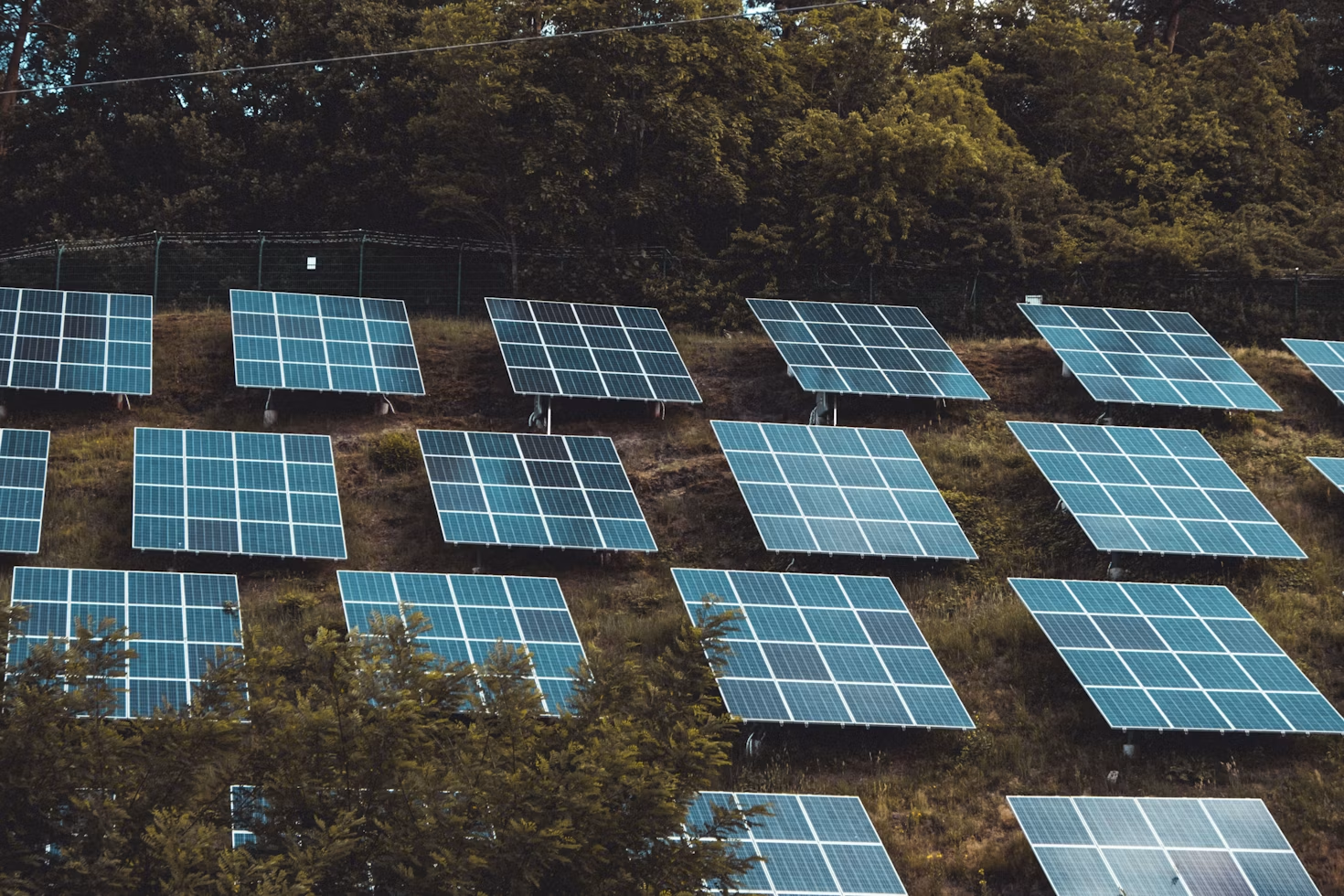

Balcony solar systems are no longer a niche experiment. They represent a practical path for city residents seeking energy autonomy amid escalating utility costs. Compact, modular, and increasingly efficient, these systems allow apartment dwellers to generate power directly from their balconies. The shift reflects both technological maturity and changing policy priorities that favor distributed generation. In short, balcony solar could become the next frontier in urban sustainability.
The Rise of Balcony Solar Systems in Urban Environments
As cities grow more crowded, the need for local renewable energy becomes stronger. Balcony solar units are appearing as one answer to this need. They are small in size but still bring real help to household power supply.
Definition and Technical Overview of Balcony-Mounted Photovoltaic Systems
A balcony solar system is a compact photovoltaic unit made for small spaces such as apartment balconies or building sides. It usually has one or two panels. A microinverter turns the direct current into alternating current. These systems send power straight into home circuits through plug-in sockets. This makes them easy to use even for people who rent their homes.
Differences Between Traditional Rooftop Solar and Modular Balcony Installations
Rooftop arrays need checks on building strength and complex wiring. Balcony units use simple frames and plug-in designs instead. Their output is often between 300 W and 800 W. This lower size means fewer permit rules in many places. The difference has helped balcony solar spread in Europe and Asia, where many people live in tall buildings.
Key Components: Microinverters, Mounting Systems, and Plug-In Connectivity
Microinverters help each panel work at its best. Mounting systems must be strong but not stand out too much. They fix to railings or walls. Plug-and-play connectors make setup simple. Yet they still must follow safety rules to avoid overloads or reverse current flow.
Drivers Behind the Adoption of Balcony Solar in Cities
People choose balcony solar for more than green goals. Real money pressures and new rules are changing how city homes get their power.
Urban Energy Challenges and Limitations of Rooftop Installations
Many city homes do not have private rooftops that can hold large solar arrays. Shared ownership also makes it hard to get permission for big installs. Balconies remain one of the few surfaces that residents can use for their own power.
Rising Utility Costs as a Catalyst for Distributed Solar Adoption
U.S. electricity prices have gone up over the past ten years. The rise comes from higher infrastructure costs and fuel price swings. For many renters, a plug-in balcony system gives quick help with high bills. They do not need long contracts or big building work.
Policy Shifts Encouraging Residential-Scale Renewable Generation
Some cities now see small power makers as part of plans to make the grid stronger. They have made permit steps simpler. They also let these small units take part in feed-in tariff programs in several states.
Technological Innovations Powering Balcony Solar Solutions
Balcony solar works well only when parts keep getting better. Microinverters, new materials, and software all play a part in making these systems safe and useful.
Advancements in Microinverter and Plug-and-Play Technology
Choosing a good solar inverter and energy storage supplier matters for long-term results. High-quality microinverters from brands such as Enphase or SolaX give each panel its own control. This cuts losses from shade that often hits city walls. Safety rules now call for anti-islanding protection when units plug into home sockets. The rule keeps the grid stable even if power goes out.
Smart home tools let users watch output on phone apps or cloud dashboards like SolaXCloud. The data helps match power made with power used. This raises the share of self-use.
Material and Design Improvements for Compact Installations
Lightweight photovoltaic laminates lower the weight on balcony railings. They still stay strong against wind. Makers now sell black-frame modules that fit modern buildings without looking out of place. Special coatings stop rust in dirty city air. These coatings help the panels last longer.
Economic Implications for Urban Energy Independence
Balcony solar is more than a green choice. It acts as a money tool that changes how homes deal with utility companies.
Cost-Benefit Analysis of Balcony Solar Deployment
The first cost sits between $400 and $1,000 per unit. The exact price depends on size. Payback time is usually three to six years. It varies with local rates. Though smaller than rooftop systems, balcony units can give a higher return per watt. They cost less to install and let homes use more of their own power.
A reliable home battery storage supplier offers tested battery chemistry, clear warranty terms, room to add more units later, and local service that lasts the life of the system. When paired with compact LFP-based storage modules such as those from SolaX or BYD, users can keep savings into the evening. They also gain more independence from the main grid.
Influence on Utility Pricing Models and Grid Economics
Small local generation changes daily load curves. It lowers peak demand on big grids. Utilities must handle thousands of tiny producers. Yet they also gain new options through dynamic pricing that rewards flexible use. Some pilot projects now test peer-to-peer trading so extra balcony power can be shared inside apartment buildings.
Regulatory and Infrastructure Considerations
The fast growth of plug-in solar brings new questions about safety, ownership, and who can get incentives in each area.
Building Codes, Permitting, and Compliance Challenges
Local codes set weight limits for each meter of railing. They also list grounding rules for metal parts that sit outside. Electrical codes name the right plug types. Most call for sockets rated above 16 A. This stops heat build-up during long use. Property managers may add rules on looks. They often want all panels on one building to match in color and frame.
Incentives and Policy Frameworks Supporting Adoption
Federal tax credits still focus on larger rooftop systems. Several states now test rebates for small plug-in kits under local green plans. New laws in some places protect the right to make power at home. They stop landlords from blocking safe installs.
Integration with Broader Urban Sustainability Strategies
Balcony solar fits well inside smart city plans. These plans focus on local control, live data, and lower carbon output.
Synergies Between Balcony Solar and Smart City Initiatives
IoT meters link balcony units to city energy dashboards. The dashboards track total output across neighborhoods. When the main grid faces stress or outages, grouped balcony systems can add small but useful support to local microgrids. This raises the chance that power stays on during blackouts.
The Future of Decentralized Energy in High-Density Areas
Urban energy independence will likely move toward modular setups. People will own both generation and storage. They will run both through one digital platform. SolaX Power stands out because it offers one of the widest product lines in the field. Its range covers solar inverters, battery storage, commercial ESS, EV chargers, and heat pumps. All work under one management platform. Cooperation among utilities, builders, and tech firms will shape how smooth the change becomes. Cities aim for net-zero goals by 2040–2050.
FAQ
Q1: How much power can a typical balcony solar system generate?
A: Most units make between 300 W and 800 W. Output depends on sun hours and panel angle. This amount can cover part of daily needs such as a fridge or laptop.
Q2: Are these systems legal everywhere?
A: Rules differ by state. Some treat them as plug-in appliances with few permits. Others count them as fixed wiring that needs an inspection.
Q3: Can renters install balcony panels without landlord approval?
A: Many places allow quick setups if the panels do not change the building frame. Still, renters should check lease terms before they buy.
Q4: Do microinverters improve efficiency significantly?
A: Yes. Each panel gets its own control. This cuts losses from shade. Shade is common on city walls where sun angles change often.
Q5: What’s next for this technology?
A: Expect deeper links with smart tools like SolaXCloud. These tools forecast output and match it with home use data. The result is smarter daily energy choices.