
Nissan LEAF Evolution Shows How Far EV Technology Has Come
The Nissan Leaf electric car redefined what a mainstream EV could be. Since its debut in 2010, it has served as both a technological testbed and a commercial success, proving that electric mobility can be practical, affordable, and scalable. Over the years, the Leaf has evolved through multiple generations of battery chemistry, charging systems, and intelligent software integration. Its journey mirrors the broader progress of the EV industry—from niche experimentation to global adoption—and continues to influence how automakers design sustainable transport solutions.
The Evolution of the Nissan Leaf and Its Role in Electric Vehicle Advancement
The development of the Nissan Leaf marks one of the most significant milestones in modern automotive history. It was not only a product but also a statement about the future of clean transportation.
Origins and Early Development of the Nissan Leaf
When Nissan launched the first-generation Leaf in 2010, it became the world’s first mass-market all-electric vehicle. It offered zero tailpipe emissions and a compact hatchback design that appealed to urban drivers. Unlike early electric models that struggled with range and cost, the Leaf combined affordability with innovation through lithium-ion batteries and regenerative braking. Nissan’s investment aimed to position electric mobility as a cornerstone of its long-term sustainability strategy while reducing dependence on fossil fuels.
Technological Innovations That Differentiated It from Early Competitors
The first Leaf introduced key innovations such as an advanced inverter system for smoother power delivery and an onboard telematics platform that allowed drivers to monitor energy use remotely. Its aerodynamic body reduced drag, improving efficiency at highway speeds. These details reflected Nissan’s focus on real-world usability rather than experimental technology showcases.
Strategic Goals Behind Nissan’s Investment in Electric Mobility
Nissan viewed electrification as essential to meeting tightening emission standards worldwide. The company sought not just compliance but leadership in sustainable transport by creating infrastructure partnerships for charging networks and developing scalable EV platforms for future models.
Milestones in the Leaf’s Technological Journey
Each generation of the Nissan Leaf brought measurable improvements in range, performance, and energy efficiency—transforming it from an early adopter’s choice into a mainstream commuter car.
Battery Capacity Improvements Across Generations
The original 24 kWh pack delivered around 117 km (EPA-rated) per charge. Subsequent versions expanded capacity to 30 kWh, then 40 kWh, and finally 62 kWh in the Leaf e+, extending range beyond 360 km under ideal conditions. These upgrades reflected advances in cell chemistry and packaging density.
Advancements in Energy Density and Thermal Management Systems
Battery modules gained higher energy density through optimized electrode materials and improved thermal regulation using passive air-cooling designs later supplemented by active management systems. These refinements enhanced reliability across temperature extremes.
Integration of Regenerative Braking and Efficiency Optimization Features
Regenerative braking became more sophisticated with selectable modes that adjusted deceleration strength. The e-Pedal system allowed one-pedal driving by blending motor control with braking functions—boosting efficiency while simplifying operation.
Battery Technology Innovations Pioneered by the Nissan Leaf
As battery science matured, Nissan used the Leaf platform to test new chemistries and safety architectures that would define next-generation EVs.
The Shift from Early Lithium-Ion Cells to Advanced Chemistries
Early models used manganese spinel lithium-ion cells; later generations adopted laminated pouch designs with improved heat dissipation. Research focused on reducing cobalt dependency while maintaining cycle life above 1,000 full charges—critical for cost reduction and sustainability goals.
Reduction in Cobalt Dependency and Focus on Sustainability
By reformulating cathode materials toward nickel-rich compositions, Nissan lowered reliance on ethically sensitive cobalt sources. This shift aligned with global trends toward responsible mineral sourcing under ISO 14001 environmental management frameworks.
Enhanced Safety Mechanisms for High-Voltage Systems
Safety systems evolved to include reinforced enclosures, automatic isolation during collisions, and multi-layered insulation compliant with IEC 62660 standards for lithium-ion traction batteries—minimizing thermal runaway risks.
Charging Infrastructure and Compatibility Enhancements
Charging technology was integral to user confidence; thus, Nissan invested heavily in interoperability standards and bidirectional power capabilities.
Introduction of CHAdeMO Fast-Charging Technology and Its Global Impact
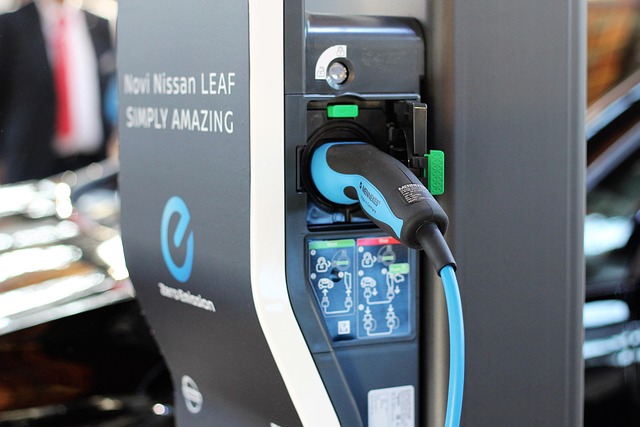
The CHAdeMO protocol enabled rapid DC charging up to 50 kW—allowing an 80% recharge within about 30 minutes. It became one of the earliest global fast-charging standards adopted across Asia, Europe, and North America.
Adaptation to Evolving Charging Standards and Grid Integration
Later Leafs incorporated compatibility with Type 2 connectors for AC charging alongside CHAdeMO ports. This flexibility supported cross-market deployment as regional standards diversified.
Development of Bidirectional Charging for Vehicle-to-Grid (V2G) Applications
Nissan pioneered V2G functionality enabling stored energy from vehicles to stabilize local grids or supply homes during outages—a concept validated through pilot projects under IEA smart grid frameworks.
The Nissan Leaf’s Contribution to Powertrain Efficiency and Performance
Beyond batteries, drivetrain refinement played a central role in achieving smooth acceleration, low noise levels, and predictable handling characteristics crucial for consumer acceptance.
Electric Motor Design and Control Systems
Permanent magnet synchronous motors were continuously refined for torque density improvements while minimizing rare-earth usage. Advanced inverter algorithms enhanced response precision during rapid load changes.
Implementation of Advanced Inverter Technology for Precise Control
Silicon carbide (SiC) transistors replaced older silicon units in newer Leafs, improving switching efficiency by roughly 10%. This reduced power loss during conversion between DC battery output and AC motor input.
Integration with Electronic Stability Systems for Improved Drivability
Integration between traction control, regenerative braking logic, and stability programs created seamless transitions during cornering or slippery conditions—enhancing driver confidence without mechanical complexity.
Aerodynamics and Lightweight Engineering Approaches
While drivetrain efficiency dominated headlines, physical design contributed significantly to real-world range gains through aerodynamic optimization.
Body Design Modifications to Minimize Drag Coefficients
Sculpted front fascias, flat underbody panels, and carefully shaped rear diffusers helped achieve drag coefficients near 0.28—comparable to premium sedans despite compact dimensions.
Use of Lightweight Materials Without Compromising Structural Integrity
Aluminum hood panels, resin tailgates, and high-tensile steel reinforcements balanced weight savings with crash performance targets established under UNECE safety regulations.
Influence on EV Design Trends Toward Efficiency-Oriented Aesthetics
The Leaf’s smooth silhouette influenced subsequent EVs emphasizing airflow management over aggressive styling cues—a subtle yet lasting aesthetic shift across brands.
Software, Connectivity, and Intelligent Energy Management Systems
Modern Leafs integrated digital intelligence linking hardware performance with cloud-based analytics—transforming how drivers interacted with their cars daily.
Smart Energy Management Features in the Nissan Leaf Ecosystem
Predictive range estimation utilized GPS data combined with historical driving patterns for accuracy within ±5%. Battery conditioning algorithms adjusted thermal profiles preemptively based on weather forecasts via connected services.
Intelligent Thermal Regulation for Battery Longevity
Automatic preheating or cooling before charging minimized degradation rates by maintaining cell temperatures within optimal ranges between 20–30°C during operation or rest periods.
Adaptive Energy Recovery Based on Terrain and Driving Patterns
Energy recovery systems modulated regenerative intensity depending on gradient detection from onboard sensors—maximizing recapture without compromising ride comfort on varied terrain profiles.
Digital Connectivity and Over-the-Air Updates
Remote connectivity via mobile apps allowed users to schedule charging sessions or climate control before departure times. Over-the-air updates periodically refined motor control maps or infotainment interfaces post-sale—a practice now standard across major automakers. Data collected anonymously informed iterative improvements feeding back into product development cycles globally.
Sustainability, Manufacturing, and Lifecycle Considerations in Leaf Production
Environmental responsibility extended beyond vehicle operation into how each component was sourced, assembled, reused—or eventually recycled—throughout its life cycle.
Sustainable Manufacturing Practices Adopted by Nissan
Production facilities increasingly relied on renewable electricity sources such as wind or solar installations certified under ISO 50001 energy management systems. Closed-loop recycling recovered nickel-manganese elements from retired packs while maintaining traceability across suppliers audited against OECD due diligence guidelines.
Recycling Initiatives for Battery Materials and End-of-Life Management
Used battery modules found second-life applications powering stationary storage arrays supporting renewable grids—a practice recognized by IRENA studies as vital for circular economy expansion within electromobility sectors.
Supply Chain Transparency Focusing on Ethical Sourcing of Minerals
Blockchain-based tracking pilots verified origin data for critical minerals like lithium ensuring compliance with responsible mining frameworks endorsed by international sustainability councils.
The Lifecycle Impact of the Nissan Leaf Compared to Conventional Vehicles
Lifecycle assessments conducted under ISO 14040 methodologies consistently show lower greenhouse gas emissions even after accounting for battery production impacts when charged using renewable electricity mixes typical in Europe or Japan markets today. Economic analyses suggest total ownership costs fall below comparable ICE vehicles after five years due primarily to lower maintenance demands inherent in simplified EV drivetrains lacking oil changes or exhaust systems altogether.
The Broader Influence of the Nissan Leaf on Global EV Development Trends
The success trajectory of the nissan leaf electric car reshaped both policy landscapes and consumer expectations surrounding electrification worldwide.
Market Adoption and Policy Implications Driven by the Leaf’s Success
Governments cited its commercial viability when designing incentive schemes such as purchase rebates or zero-emission mandates accelerating fleet transitions globally.
Role in Shaping Consumer Perception Toward Electric Mobility Viability
By proving reliability over millions of kilometers logged since launch fleets demonstrated durability dispelling early skepticism about battery longevity among mainstream buyers.
Contribution to Establishing Benchmarks for Affordability in EV Segments
Its pricing strategy anchored public perception that zero-emission mobility need not remain luxury-exclusive paving way for broader democratization across market tiers.
Lessons from the Nissan Leaf That Shaped Future Electric Vehicle Designs
The technological DNA developed through successive Leafs continues influencing modular architectures underpinning newer crossovers sedans vans alike.
Transferable Technologies Adopted by Other Automakers Post-Launch
Thermal management layouts regenerative calibration techniques even user-interface paradigms migrated industry-wide illustrating ripple effects beyond brand boundaries.
Influence on Modular EV Platforms Enabling Scalable Production Models
Nissan’s CMF-EV architecture derived partly from lessons learned supports multiple body styles reducing tooling costs while maintaining consistent electronic subsystems simplifying global deployment strategies.
Anticipated Directions in Next-Generation EV Innovation Inspired by Its Evolution
Future iterations likely emphasize solid-state batteries bi-directional connectivity integration into distributed energy ecosystems reflecting continuous evolution rooted firmly within this pioneering lineage.
FAQ
Q1: When was the first-generation Nissan Leaf released?
A: It debuted globally in 2010 as one of the first mass-produced all-electric vehicles targeting mainstream consumers.
Q2: What is the current maximum range offered by newer Leafs?
A: The latest e+ version achieves around 360 km per charge depending on driving conditions according to standardized testing cycles.
Q3: Does the Nissan Leaf support vehicle-to-grid technology?
A: Yes; select models equipped with CHAdeMO interfaces enable bidirectional energy flow allowing participation in grid-balancing programs where available.
Q4: How does its lifecycle carbon footprint compare with gasoline cars?
A: Studies show significant reductions particularly when powered using renewable electricity sources throughout operational phases versus internal combustion equivalents.
Q5: What major safety standards govern its battery systems?
A: High-voltage components comply with IEC 62660 specifications addressing performance reliability mechanical integrity under various environmental stresses ensuring passenger protection throughout service life.