
DIY Solar Cooling System Freezes Water by Day, Cools Homes at Night
A solar powered air conditioner that freezes water by day and cools homes at night is not a futuristic idea but an achievable reality. By capturing sunlight and converting it into cooling power, these systems reduce grid reliance and carbon emissions while maintaining comfort after sunset. Their performance depends on precise integration of photovoltaic modules, compressors, and thermal storage units that store cold energy efficiently. The result is a sustainable system capable of round-the-clock operation with lower operational costs and extended equipment life.
Understanding the Concept of Solar Powered Air Conditioning?
Solar powered air conditioning merges renewable energy technology with refrigeration science to deliver efficient cooling using sunlight. It relies on two main approaches—photovoltaic (PV) conversion for electricity generation and solar thermal collection for heat-driven cooling cycles.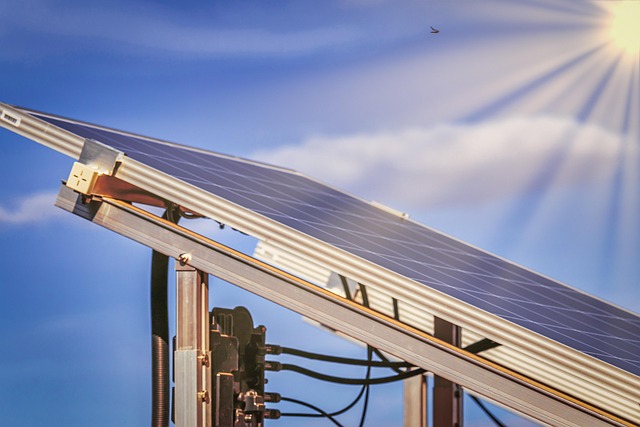
The Working Principle of Solar Powered Air Conditioners
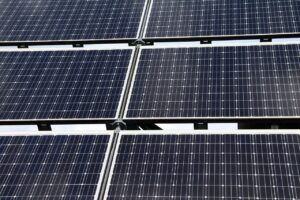
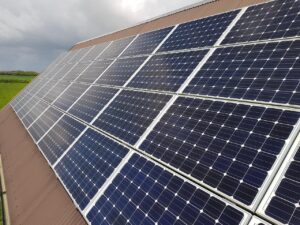
PV-based systems convert sunlight directly into electricity through semiconductor cells. This electricity powers the compressor in a conventional vapor-compression cycle, circulating refrigerant to absorb indoor heat and release it outdoors. In contrast, solar thermal systems use collectors to generate hot fluid that drives absorption or adsorption chillers, replacing mechanical compression with chemical processes. Integration between solar panels, compressors, and refrigerant circuits requires careful control to balance load fluctuations during variable sunlight hours.
Types of Solar Cooling Systems
Hybrid solar ACs combine grid or battery support with PV input, ensuring stable operation even under cloudy conditions. Fully solar-driven models rely solely on solar input, often paired with advanced storage or thermal reservoirs. Absorption chillers utilize lithium bromide-water pairs, while adsorption chillers employ silica gel or zeolite materials to capture and release moisture as part of their cooling mechanism. Storage tanks containing chilled water or phase change materials (PCMs) maintain output consistency during nighttime or low irradiance periods.
Comparing Energy Efficiency Between Solar and Traditional Systems?
The efficiency of a solar powered air conditioner depends on how effectively it converts sunlight into usable cooling energy compared with grid-based HVAC systems.
Evaluating Energy Conversion Efficiency
Performance is typically expressed through the coefficient of performance (COP). Under strong solar irradiance, PV-driven units can achieve COP values similar to high-end inverter ACs. However, conversion losses from DC-AC inverters and battery charge-discharge cycles can reduce net efficiency by 10–15%. Grid-powered units maintain constant performance but draw heavily on fossil-fuel-based electricity generation.
Seasonal Performance Variations
Climate zones strongly influence system reliability. In tropical regions with consistent sun exposure, daily yields remain stable; in temperate zones, performance dips during winter due to shorter daylight hours. Smart load management during peak heat periods helps prevent overcycling of compressors while maintaining indoor comfort levels. Seasonal differences in solar angle also affect total annual energy yield between summer and winter cycles.
Economic Considerations in System Implementation?
Deploying a solar powered air conditioner involves balancing upfront investment against long-term operational savings within regional policy frameworks.
Initial Investment vs Long-Term Savings
Capital costs include PV panels, batteries or thermal storage tanks, mounting structures, and installation labor. Although initial expenditure can be 30–50% higher than standard split systems, savings accrue through reduced electricity bills over 8–12 years depending on local tariffs and sunlight availability. Maintenance costs are generally lower since PV modules have minimal moving parts compared to mechanical generators.
Incentives, Subsidies, and Regulatory Frameworks
Many governments offer rebates or tax credits for renewable cooling technologies under clean energy programs aligned with international climate goals such as those outlined by the International Energy Agency (IEA). Carbon credit trading schemes further enhance project ROI by monetizing avoided emissions. Compliance with ISO 50001 energy management standards ensures both safety and efficiency certification for building integration.
Thermal Storage and Nighttime Cooling Performance?
Thermal storage transforms daytime excess solar energy into usable nighttime cooling capacity—a crucial feature for continuous comfort without grid dependency.
Water Freezing as a Thermal Storage Strategy
During daylight hours, surplus power drives compressors that freeze water inside insulated tanks. As the ice melts overnight, it absorbs indoor heat through a heat exchanger loop delivering cool air without activating the main compressor. PCMs like paraffin waxes or salt hydrates are alternatives offering higher latent heat density per unit volume than ice alone.
System Integration for Continuous Cooling Operation
Control algorithms schedule charging during peak sun hours and discharging after sunset based on predictive temperature data. Efficient plate-type heat exchangers transfer stored cold energy into circulating air streams while minimizing thermal losses. By reducing compressor runtime at night, system wear decreases significantly—extending service life beyond conventional models.
Environmental Impact Assessment of Solar Air Conditioning Systems?
Solar powered air conditioners contribute meaningfully to emission reduction targets while promoting decentralized clean energy adoption.
Reduction in Carbon Footprint and Grid Dependency
Each kilowatt-hour generated from PV panels avoids approximately 0.7 kg of CO₂ compared with coal-derived electricity according to IRENA’s emission factors database. Distributed generation also reduces transmission losses across grids while improving local voltage stability in residential networks. Lifecycle assessments consistently show lower total environmental impact than fossil-fuel-based HVAC systems when including manufacturing stages.
Material Sustainability and End-of-Life Considerations
Modern PV modules use recyclable aluminum frames and glass covers; however, end-of-life silicon cell recovery remains an emerging challenge addressed by IEC recycling guidelines. Refrigerants such as R-32 offer lower global warming potential than older R-22 variants but still require proper reclamation at disposal sites to prevent atmospheric leakage.
Future Prospects for Solar Driven Cooling Technologies?
Technological progress continues to refine both generation efficiency and system intelligence within the renewable cooling sector.
Advancements in Photovoltaic Efficiency and Storage Solutions
Next-generation perovskite-silicon tandem cells promise conversion efficiencies above 30%, shrinking panel area requirements per installed kilowatt. Concurrently, lithium iron phosphate (LiFePO₄) batteries provide safer long-cycle storage options suited for residential applications seeking full-night autonomy without degradation concerns typical of lead-acid systems.
Smart Control Systems and AI-Based Optimization
Artificial intelligence integration enables predictive adjustments based on weather forecasts or occupancy data—modulating compressor speed before load peaks occur. IoT connectivity supports real-time diagnostics that flag anomalies early for maintenance crews, reducing downtime while improving overall reliability metrics across large-scale installations.
FAQ
Q1: How does a DIY solar cooling system freeze water during the day?
A: It uses excess photovoltaic power generated at midday to drive compressors that freeze water inside insulated tanks for later use as stored cold energy.
Q2: Can such systems operate entirely off-grid?
A: Yes, provided sufficient battery or thermal storage capacity is included; hybrid configurations remain common where grid backup ensures reliability during extended cloudy periods.
Q3: What is the typical payback period for installing a solar powered air conditioner?
A: Depending on location and tariff structure, most homeowners recover costs within 8–12 years through reduced electricity consumption.
Q4: Are there specific standards governing design safety?
A: International standards like IEC 60364 for electrical installations and ISO 9806 for collector testing define compliance parameters ensuring safe deployment in residential environments.
Q5: How effective is nighttime cooling compared with daytime operation?
A: When properly sized storage tanks are used, nighttime discharge maintains indoor temperatures within ±1°C of daytime levels without running compressors continuously.