
Adani Green Energy Launches World’s Largest Battery Storage System in Gujarat
Adani Green Energy has unveiled the world’s largest battery storage system in Gujarat, marking a decisive step in India’s renewable energy expansion. The project demonstrates how large-scale storage can stabilize variable solar and wind generation, reinforce grid reliability, and advance the country’s clean energy goals. This initiative places Gujarat at the center of India’s energy transition, linking technology innovation with policy-driven sustainability. For global renewable leaders, it signals a shift from capacity growth to intelligent, integrated storage networks that redefine how power systems operate.
Redefining Energy Storage in the Renewable Sector
As renewable energy scales up globally, storage becomes indispensable. The ability to store surplus electricity from solar or wind and release it when demand peaks is transforming how grids function.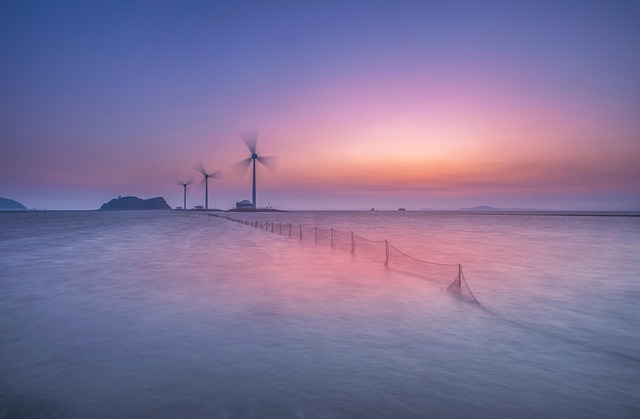
The Strategic Importance of Large-Scale Storage Systems
Energy storage now acts as the backbone for renewable integration. Without it, intermittent sources like wind and solar would strain grid stability. Large-scale batteries buffer these fluctuations by absorbing excess power during low demand and supplying it during shortages. This balancing role improves frequency regulation and enhances overall reliability. In markets such as India, where renewables form an increasing share of generation, advanced storage also strengthens energy security by reducing dependency on fossil reserves.
The Role of Gujarat in India’s Renewable Transition
Gujarat has emerged as a natural hub for clean energy due to its abundant sunlight, strong coastal winds, and progressive state policies. Its transmission infrastructure allows quick deployment of utility-scale projects across industrial corridors. Public-private partnerships have further accelerated this transformation by combining investment capacity with technical expertise. The state’s proactive stance makes it an ideal testing ground for innovations like hybrid solar-wind-storage systems that can later be replicated nationwide.
Adani Green Energy’s Pioneering Storage Project in Gujarat
The launch of Adani Green Energy’s massive battery facility is more than an engineering milestone; it represents a strategic convergence of technology and policy aimed at reshaping India’s power landscape.
Overview of the World’s Largest Battery Storage Initiative
The project integrates multi-gigawatt solar and wind farms with high-capacity battery units designed for continuous operation. Its architecture allows real-time balancing between renewable output and grid demand, ensuring uninterrupted supply even during cloudy or calm conditions. Scalability is central to its design—modules can be expanded as new generation assets come online. Efficiency metrics are built into every layer of operation to minimize losses while maintaining sustainability standards aligned with international benchmarks such as IEC 62933 for electrical energy storage systems.
Technical Architecture and System Design Insights
At its core lies a modular configuration based on lithium-ion or hybrid chemistries capable of flexible deployment across sites. Each module connects through smart grid interfaces that enable dynamic load management and automated frequency control. Real-time analytics monitor charge-discharge cycles, predicting degradation patterns to extend system life beyond conventional expectations. Engineers apply predictive algorithms similar to those used in advanced manufacturing plants for maintenance scheduling and fault detection—small details that make large differences over decades of service.
How Leading Renewable Energy Companies Are Transforming Storage Paradigms
Across global markets, major players are rethinking how they deploy energy storage—not merely as backup but as an active part of grid intelligence.
Global Trends Among Major Renewable Players
From Europe to Asia-Pacific, the largest renewable energy companies are investing heavily in long-duration storage technologies such as flow batteries or compressed air systems. Collaboration among utilities, manufacturers, and software firms drives cost reduction and performance gains. Industry data from IRENA shows that average battery pack prices have dropped over 80% since 2013, making large installations commercially viable for the first time at scale. As a result, focus is shifting toward optimizing system performance rather than simply expanding capacity.
Comparative Analysis of Technological Approaches
Lithium-Ion Based Systems
Lithium-ion remains dominant due to its high round-trip efficiency—often above 90%—and rapidly falling costs from mass production in electric vehicle supply chains. These systems excel at short-to-medium duration applications such as peak shaving or frequency response where fast discharge rates are crucial.
Flow Battery Solutions
Flow batteries use liquid electrolytes stored externally from electrodes, allowing independent scaling of power and energy capacity. They offer longer discharge durations suitable for grid-level balancing over several hours or even days. Their slower degradation rates make them attractive for applications requiring extensive cycling over decades.
Integration of Renewable Generation with Intelligent Storage Networks
The intersection of digitalization and distributed generation is redefining what modern grids look like—more adaptive, predictive, and resilient than ever before.
Digitalization and AI in Storage Optimization
Artificial intelligence tools now analyze terabytes of operational data from sensors embedded across battery arrays. Machine learning models forecast weather variations to adjust charge schedules automatically—charging when solar output peaks or discharging ahead of evening demand spikes. Cloud-based dashboards give operators real-time visibility across multiple sites spread across regions like Kutch or Jamnagar, enabling centralized yet flexible control architectures.
Enhancing Grid Resilience Through Hybrid Configurations
By combining solar panels, wind turbines, and batteries within unified control systems, hybrid configurations deliver near-continuous power output regardless of individual source variability. These setups also support decentralized microgrids serving industrial clusters or remote communities where grid access remains limited. Such resilience reduces risks from sudden demand surges or transmission faults—a growing concern amid climate-induced weather disruptions affecting conventional grids worldwide.
Economic and Environmental Implications of Advanced Energy Storage Projects
Beyond technical innovation lies the question every investor asks: does it make financial sense? Increasingly, the answer is yes—and with environmental benefits attached.
Financial Viability and Market Dynamics
Falling battery costs have transformed project economics for large-scale installations like Adani Green Energy’s system in Gujarat. New revenue streams emerge through ancillary services markets such as frequency regulation or spinning reserve participation under Central Electricity Regulatory Commission frameworks. Policy incentives including viability gap funding further enhance returns while supporting national targets under India’s National Electricity Plan aiming for 500 GW non-fossil capacity by 2030.
Sustainability Metrics and Lifecycle Considerations
Attention is turning toward end-of-life management to prevent future waste challenges. Recycling initiatives recover valuable metals like lithium and cobalt while reducing environmental impact compared with primary extraction. Lifecycle assessments guide procurement strategies emphasizing low-carbon manufacturing processes aligned with ISO 14040 sustainability standards. Integrating circular economy principles not only meets compliance but also builds long-term stakeholder trust—a factor often overlooked yet critical for brand credibility in global capital markets.
Future Outlook: Scaling Renewable Storage Beyond Gujarat
The lessons learned from Gujarat will likely shape India’s next phase of clean energy development—and influence international markets watching closely.
Expansion Strategies Among Global Renewable Leaders
Successful deployment models are being evaluated for replication across other Indian states such as Rajasthan or Tamil Nadu where renewable potential remains high but grid flexibility limited. Cross-border collaborations between Indian developers and international technology providers foster knowledge exchange on standardization practices under IEC committees governing storage interoperability protocols.
Emerging Research Directions in Next‑Generation Storage Technologies
Solid-State Batteries
Solid-state designs promise higher energy density per unit volume with improved safety margins by replacing flammable liquid electrolytes with solid materials—a breakthrough expected to redefine both electric mobility and stationary applications within this decade.
Hydrogen-Based Storage Systems
Hydrogen offers seasonal-scale storage capability by converting surplus electricity into hydrogen via electrolysis then back into power using fuel cells when needed months later—a complement rather than competitor to electrochemical batteries.
Grid-Level Thermal Storage
Thermal systems convert excess renewable electricity into heat stored in molten salts or phase-change materials for later use in industrial processes or district heating networks—a practical route toward decarbonizing sectors beyond electricity alone.
FAQ
Q1: What makes Gujarat suitable for large-scale renewable storage projects?
A: Its strong sunlight, steady coastal winds, supportive policy framework, and robust transmission network create ideal conditions for integrated solar-wind-battery developments.
Q2: How does Adani Green Energy’s project differ from other battery installations?
A: It combines multi-source generation with modular high-capacity batteries managed through smart grid controls designed for scalability across India’s evolving power mix.
Q3: Why are lithium-ion batteries still dominant despite new chemistries emerging?
A: Their proven efficiency, mature supply chain, and declining costs make them practical choices while newer technologies continue advancing toward commercial readiness.
Q4: What economic benefits do large-scale storage projects bring?
A: They open new revenue channels through grid services markets while reducing curtailment losses from renewables—improving both profitability and reliability metrics.
Q5: How do these projects contribute to sustainability goals?
A: By cutting carbon emissions through fossil fuel displacement and adopting recycling-based material recovery strategies consistent with circular economy principles endorsed by international standards bodies like ISO and IEA guidelines.