
Fear of Outages Fuels Malaysia Rush for Solar Power Stations
Frequent power interruptions and the rising cost of electricity are pushing Malaysian households toward solar generators for homes. The shift is not only about saving on bills but also about securing energy reliability in a grid system stretched by urban growth, climate volatility, and fossil fuel dependency. Experts now see home-based solar generation as a cornerstone of Malaysia’s future energy resilience, bridging gaps between policy ambition and real-world reliability.
Malaysia’s Energy Landscape
Malaysia’s energy sector stands at a crossroads. While fossil fuels still dominate, the country’s renewable ambitions are gaining traction amid mounting concerns over grid reliability and environmental impact.
Current Energy Infrastructure and Its Vulnerabilities
Malaysia’s electricity supply depends heavily on natural gas and coal, with hydropower and solar contributing smaller shares. This composition leaves the system vulnerable to global fuel price swings and supply disruptions. Grid instability has become more visible during peak demand periods, particularly in fast-growing regions such as Klang Valley. The challenge is compounded by uneven distribution networks that make rural electrification costly. Extreme weather—floods in Kelantan or heat waves in Sabah—often exposes weak points in transmission infrastructure, creating cascading outages.
The Growing Concern Over Power Outages
Recent years have seen repeated blackouts affecting both cities and remote communities. Industrial zones lose production hours worth millions, while households face food spoilage and communication breakdowns. Public frustration has grown as outages seem to recur despite official assurances of grid upgrades. Government responses include accelerated maintenance programs and talks on distributed energy solutions, yet skepticism persists over long-term reliability.
The Rise of Solar Generators for Homes in Malaysia
As outage anxiety spreads, homeowners are turning to solar generators for homes as both backup systems and primary energy sources. This trend marks a cultural shift from passive consumption toward active energy participation.
Defining Solar Generators and Their Core Components
A solar generator combines photovoltaic panels, an inverter, a charge controller, and a battery pack into one integrated system capable of powering appliances independently from the main grid. Unlike diesel or gas generators that emit carbon dioxide and require regular refueling, solar units produce clean electricity silently. Advances in lithium-ion technology have improved storage density while reducing weight, making modern systems portable enough for small homes or shop lots.
Market Trends Driving Adoption Among Homeowners
Falling PV module prices—down nearly 80% over the past decade globally—have made installations more affordable than ever. In Malaysia, programs like Net Energy Metering (NEM) 3.0 allow users to offset their bills by exporting excess power to the grid. Tax incentives under the Green Technology Financing Scheme further reduce upfront costs. Awareness campaigns highlighting sustainability and self-sufficiency resonate with younger homeowners who prefer long-term savings over short-term convenience.
Evaluating the Role of Solar Generators in Energy Resilience
Solar adoption is no longer just an environmental gesture; it is becoming an operational necessity for energy security across Malaysian households.
Enhancing Grid Stability Through Distributed Generation
Distributed generation spreads power production across many small nodes instead of relying on centralized plants. When thousands of homes feed solar electricity back into the network during daylight hours, it reduces pressure on national grids and minimizes transmission losses. During emergencies or planned maintenance, microgrids powered by home systems can operate autonomously to sustain local loads—a concept already piloted in parts of Sarawak.
Storage Capabilities and Their Strategic Importance
Battery storage determines how useful a solar generator remains after sunset or during cloudy days. Lithium-ion batteries dominate due to their efficiency and recharge cycles, though lead-acid remains common for lower-cost setups. Researchers are now exploring solid-state batteries that promise higher safety margins and faster charging times. However, recycling infrastructure for spent batteries lags behind demand growth, posing environmental management challenges.
Economic and Policy Dimensions of Residential Solar Adoption
The economics of residential solar go beyond household budgets; they influence national import bills, carbon goals, and industrial competitiveness.
Cost-Benefit Analysis for Homeowners and the National Grid
For consumers, payback periods typically range from six to ten years depending on system size and tariff rates. Savings accumulate through reduced monthly bills while property values often rise with installed systems. Nationally, each megawatt-hour generated domestically cuts fuel import dependence and aligns with Malaysia’s pledge to achieve net-zero emissions by 2050. Financing models such as leasing arrangements or community-owned arrays help expand access without heavy capital burdens.
Regulatory Frameworks Supporting Solar Integration
Malaysia’s Sustainable Energy Development Authority (SEDA) oversees renewable licensing under frameworks like NEM 3.0 that standardize interconnection rules for small-scale producers below 4 MW capacity. Yet bureaucratic delays at state levels sometimes slow project approvals or meter installations. Streamlining these processes remains key if policymakers want residential solar capacity to grow beyond niche adoption into mainstream infrastructure.
Technological Innovations Shaping the Future of Home Solar Systems
Rapid digitalization is redefining how home solar operates—making systems smarter, safer, and more responsive to user needs.
Integration with Smart Grids and IoT Solutions
Smart meters now allow real-time tracking of generation versus consumption data through mobile dashboards. Predictive analytics can flag performance drops before faults occur while AI-driven controllers balance household load automatically between stored power and grid imports. As connectivity grows, cybersecurity becomes critical since compromised devices could disrupt both private systems and broader networks.
Hybrid Systems Combining Solar with Other Renewable Sources
Hybrid configurations pairing solar panels with wind microturbines or biogas digesters offer round-the-clock generation potential even under variable weather conditions. In off-grid villages within Sabah’s interior or islands off Terengganu, these setups provide stable electricity where extending transmission lines would be uneconomical. Research institutions are testing hybrid inverters capable of seamless switching between renewable inputs without manual intervention—a promising development for decentralized grids.
Strategic Outlook for Malaysia’s Energy Resilience Through Home Solar Generators
Malaysia’s path toward resilient power lies in scaling distributed resources across diverse geographies while maintaining policy consistency.
Scaling Up Distributed Energy Resources Across Regions
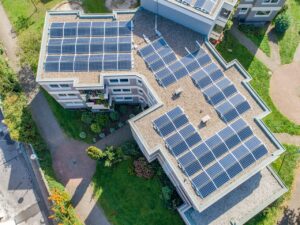
Rural electrification programs increasingly deploy modular solar generator packages that can be expanded as community demand grows. Urban centers like Putrajaya integrate rooftop PV into smart city designs where data-driven management optimizes collective output across neighborhoods. Partnerships among utilities, investors, and technology firms will determine how quickly distributed energy scales nationwide.
Long-Term Vision Toward a Decentralized Energy Ecosystem
The ultimate goal is a prosumer-driven network where citizens generate part of their own electricity while trading surplus within local grids—a model boosting both resilience and civic engagement. Education campaigns about financing options help bridge awareness gaps while consistent federal policies maintain investor confidence through market cycles. With its manufacturing base in electronics and strategic location within ASEAN supply chains, Malaysia could emerge as a regional hub for distributed renewable technologies if momentum continues steadily.
FAQ
Q1: What makes solar generators reliable during outages?
A: They store excess sunlight-generated electricity in batteries that automatically supply power when grid service fails.
Q2: How long can a typical home run on stored solar energy?
A: Depending on capacity, most residential units sustain essential loads like lighting or refrigeration for six to twelve hours without sunlight.
Q3: Are there government incentives supporting residential solar adoption?
A: Yes, schemes such as NEM 3.0 allow homeowners to offset consumption by exporting surplus power back into the grid at favorable rates.
Q4: Do hybrid systems offer better performance than standalone solar setups?
A: In areas with inconsistent sunlight or strong winds, hybrid designs combining multiple renewables provide steadier output throughout day-night cycles.
Q5: What are current challenges facing large-scale home solar deployment?
A: Key issues include high initial costs for some consumers, limited battery recycling facilities, and administrative delays in system approval processes across states.