

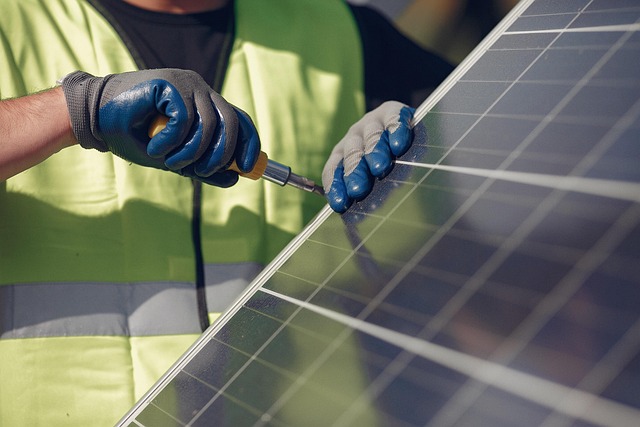

Solar Heater Advances to 26.7 Million m² in Brazil and Threatens Electric Showers in Homes in the South and Southeast
Brazil’s solar heating sector has entered a transformative phase. The installed area of solar heaters now totals 26.7 million m², signaling a decisive shift from electric showers toward renewable heating. This growth, most visible in the South and Southeast, is driven by rising electricity costs, government incentives, and technological innovation. Solar heating is no longer a niche alternative; it is becoming a mainstream component of residential energy planning across urban Brazil.
The Growth of Solar Heating Systems in Brazil
The expansion of solar heater installations reflects not just environmental awareness but also a pragmatic response to market pressures. Households are seeking affordable and stable energy sources amid fluctuating electricity tariffs.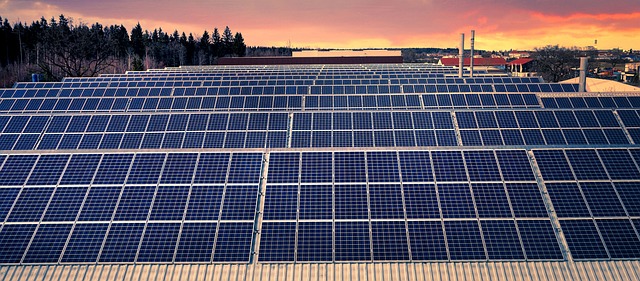
Expansion Trends and Market Data
Brazil’s installed solar heater area has reached 26.7 million m², confirming its position as one of Latin America’s most active renewable markets. Growth remains concentrated in the South and Southeast regions, where electric showers have historically dominated household water heating. Market data shows that consumers increasingly value cost-effective systems that reduce monthly bills while supporting sustainability goals.
Key Drivers Behind the Expansion
Several factors underpin this expansion. Rising electricity prices have made traditional electric showers less attractive for many households. Government tax incentives and financing programs have further lowered barriers to adoption. Meanwhile, advances in solar thermal collector efficiency and manufacturing scale have reduced installation costs, making solar heaters accessible to middle-income families across urban centers.
The Shift in Residential Energy Consumption Patterns
As solar heating spreads through Brazilian cities, it is reshaping how homes consume energy daily. Electric showers once defined convenience; now they represent inefficiency.
Changing Role of Electric Showers in Urban Homes
Electric showers are losing their dominance as homeowners adopt solar alternatives offering consistent performance with lower running costs. During peak evening hours, electric showers create significant demand spikes on local grids, driving up both energy prices and infrastructure stress. Urban housing developers increasingly design buildings with pre-installed solar water systems to meet new efficiency standards.
Impact on Household Energy Efficiency Metrics
Solar heaters directly reduce household electricity consumption during high-demand periods, easing pressure on national grids. Lower dependency on centralized supply improves energy resilience, particularly during seasonal shortages or maintenance outages. The enhanced thermal efficiency aligns with Brazil’s broader sustainability targets by cutting emissions from fossil-based power generation.
Technological Developments Driving Solar Heater Adoption
Technology has played a decisive role in making solar heaters viable for mass residential use. Innovations now focus on improving heat retention and user control rather than just basic functionality.
Innovations in Solar Thermal Collectors
Modern collectors use selective coatings and advanced glass materials to increase heat absorption while minimizing losses from radiation or convection. Compact modular designs allow easy integration into rooftops even in densely built neighborhoods. Hybrid systems combining solar input with auxiliary electric backup guarantee consistent hot water throughout the year.
Advances in Storage and Control Systems
Improved thermal storage tanks maintain stable temperatures despite cloudy weather or nighttime usage patterns. Smart controllers automatically regulate energy flow between solar input and auxiliary sources for optimal efficiency. Integration with home automation platforms enables remote monitoring through mobile apps—an appealing feature for tech-oriented homeowners.
Regional Dynamics: South and Southeast Brazil as Growth Hubs
The South and Southeast regions illustrate how climatic conditions intersect with economic capacity to accelerate renewable adoption.
Climatic and Economic Factors Supporting Adoption
These regions benefit from abundant sunlight throughout most of the year, ensuring high system performance even during cooler months. Higher average household incomes facilitate investment in long-term sustainable technologies like solar heaters. Environmental awareness campaigns led by municipalities have also increased consumer confidence in renewable solutions.
Influence on Local Energy Infrastructure and Policy Planning
Municipal governments are updating building codes to include mandatory provisions for solar water heating in new developments. Utilities are redesigning load management strategies to accommodate flatter demand curves resulting from distributed generation systems. Such regional initiatives align closely with national decarbonization objectives under Brazil’s climate commitments.
Economic Implications for the Residential Energy Market
Beyond environmental gains, the rise of solar heating carries significant financial implications for both households and the broader economy.
Cost-Benefit Analysis for Homeowners
Although initial installation costs remain higher than those for electric showers, long-term savings quickly offset this difference through reduced electricity bills. Maintenance demands are minimal—typically limited to periodic cleaning or inspection every few years—and payback periods continue shortening as domestic production scales up.
Effects on the Broader Energy Economy
Reduced reliance on electric showers alleviates grid congestion during peak hours, lowering operational costs for utilities nationwide. The growing solar heater industry supports thousands of jobs across manufacturing, installation, logistics, and maintenance sectors. Expanding domestic production strengthens Brazil’s competitiveness within global renewable technology markets by reducing import dependency.
Future Outlook for Solar Heating Integration in Brazil’s Energy Mix
Brazil’s trajectory suggests that solar water heating will become an integral part of its distributed energy landscape within this decade.
Policy Directions and Industry Expectations
Ongoing fiscal incentives will sustain market momentum as policymakers view residential renewables as key to national emission targets. Partnerships between public agencies and private manufacturers could accelerate deployment through bulk procurement programs or social housing initiatives. Continued research into advanced absorber materials promises further efficiency gains over the next decade.
Potential Challenges to Continued Expansion
Despite strong momentum, challenges remain uneven adoption across regions due to income disparities may limit full market penetration outside major cities. Rapid growth could strain component supply chains if local manufacturing fails to keep pace with demand surges. Regulatory harmonization will be crucial to maintaining quality standards across decentralized markets as installations multiply nationwide.
FAQ
Q1: What is driving the rapid growth of solar heaters in Brazil?
A: Rising electricity prices, supportive government policies, and improved technology have made solar heating economically attractive for households across multiple regions.
Q2: Why are electric showers losing popularity?
A: They consume large amounts of power during peak hours, raising costs and stressing local grids compared to more efficient solar-based systems.
Q3: How do modern solar heaters perform during cloudy days?
A: Advanced storage tanks retain heat effectively while hybrid models use auxiliary power sources when sunlight is insufficient.
Q4: Which regions lead Brazil’s adoption of solar heaters?
A: The South and Southeast dominate due to favorable sunlight conditions, higher income levels, and proactive municipal policies promoting renewable adoption.
Q5: What economic benefits does this trend bring?
A: It reduces household energy bills, creates jobs within local manufacturing sectors, and strengthens Brazil’s renewable technology industry globally.



