
Why Solar Panel Cleaning Companies Resist Self-Cleaning Coatings
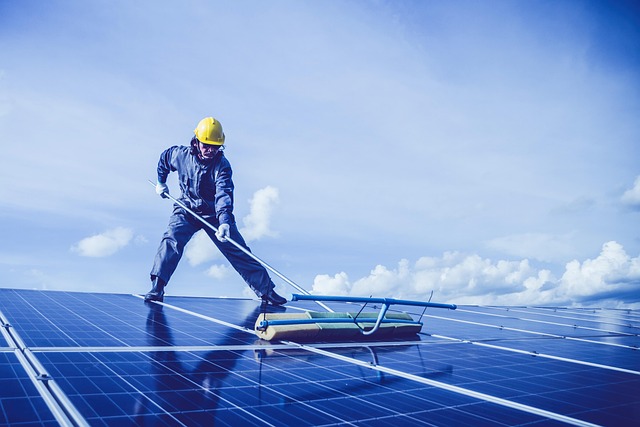
As homeowners turn to solar panels amid rising oil prices, the maintenance side of the solar industry faces a quiet tension. Many solar panel cleaning companies are hesitant to embrace self-cleaning coatings despite their promise of reducing labor and water use. The reason is simple: these coatings disrupt an established business model built on recurring maintenance contracts, predictable revenue, and human oversight. Economic interests, technical uncertainties, and contractual complexities all shape this resistance. While the technology continues to evolve, the market’s readiness—and trust—remain limited.
Market Dynamics Behind the Resistance to Self-Cleaning Coatings
The economics of solar maintenance influence how quickly new technologies find acceptance. For cleaning firms, recurring service contracts represent not just income but stability in a volatile energy market.
Economic Incentives in the Solar Maintenance Industry
Cleaning companies depend heavily on repeat visits to sustain operations. Their revenue models rely on ongoing service agreements that guarantee cash flow across seasons. Self-cleaning coatings challenge this structure by reducing the need for manual intervention, which directly threatens long-term profitability. The business model in this sector prioritizes scheduled cleanings performed by technicians who inspect and maintain panels physically rather than permanent or automated solutions that eliminate this cycle.
Market Positioning and Service Differentiation
Within competitive markets, solar panel cleaning companies often differentiate through specialized techniques such as deionized water systems or robotic tools for large installations. If self-cleaning coatings become standard, these distinctions fade, turning services into commodities with little room for premium pricing. Many firms thus emphasize reliability and human expertise—qualities that automation cannot easily replicate—to preserve brand identity and customer trust.
Technical Limitations of Self-Cleaning Coatings
Even when economically feasible, technical performance remains a stumbling block. Field conditions rarely mirror laboratory tests where coatings show near-perfect hydrophobic behavior.
Performance Variability Across Environments
Coating performance fluctuates widely depending on geography and climate. In arid regions with high dust loads or heavy industrial pollution, self-cleaning layers can lose efficiency quickly as particles adhere more strongly than rain can remove them. Areas with irregular rainfall also see inconsistent results since most coatings depend on water droplets rolling across surfaces to wash away dirt. This variability undermines confidence among both installers and maintenance providers who must guarantee consistent output to clients.
Durability and Maintenance Challenges of Coatings
Exposure to ultraviolet radiation, abrasive windblown sand, or temperature swings gradually degrades coating films. Over time, reapplication becomes necessary—a process that adds cost and complexity similar to regular cleaning cycles it was meant to replace. Additionally, not all panel materials respond well to coating adhesion; mismatched chemical compositions can cause peeling or optical distortion that reduces light absorption efficiency.
Strategic Concerns Among Cleaning Companies
Beyond technical issues lie strategic concerns about control over quality assurance and liability—core elements of any service-based business.
Control Over Quality Assurance and Liability
Manual cleaning offers more than surface maintenance; it allows technicians to inspect panels for cracks, loose wiring, or discoloration during each visit. Automated coatings remove this inspection opportunity, potentially delaying detection of physical damage or electrical faults. When performance drops after coating application, customers may blame either dirt accumulation or coating failure—creating legal ambiguity over responsibility.
Contractual and Warranty Implications
Many service contracts tie performance guarantees directly to periodic physical maintenance schedules verified by inspection logs. Introducing self-cleaning technology complicates these agreements since warranties from panel manufacturers often exclude third-party surface modifications. Cleaning companies risk being held accountable for efficiency losses unrelated to their work if coating degradation occurs between visits.
Technological and Market Readiness Factors
The gap between laboratory innovation and commercial deployment remains significant in this niche segment of renewable energy services.
Gaps Between Innovation and Commercial Application
While research prototypes demonstrate impressive hydrophobicity under controlled conditions, real-world validation across diverse climates is limited. High upfront costs deter smaller regional contractors from experimenting with unproven materials that might not deliver measurable returns. Moreover, lack of standardized testing protocols across manufacturers makes it difficult for the market to compare performance objectively or build collective confidence in adoption.
Influence of Solar Panel Manufacturers and Installers
Panel manufacturers primarily focus on improving conversion efficiency metrics rather than integrating long-term surface protection into product design. Installers often avoid recommending after-market coatings that could void manufacturer warranties or introduce optical losses affecting stated efficiency ratings. Consequently, cleaning companies align their offerings with established installation practices instead of pushing innovations that might disrupt existing partnerships within the supply chain.
Future Outlook for Collaboration and Integration Opportunities
Despite current hesitation, hybrid approaches could bridge traditional maintenance models with emerging automation trends if economic incentives align properly.
Potential Hybrid Models Between Manual and Self-Cleaning Systems
A practical path forward may combine self-cleaning coatings with scheduled inspections rather than replacing them entirely. This model balances reduced water usage with continued human oversight for safety checks and warranty compliance. Using data-driven scheduling based on environmental sensors could further refine when manual intervention is truly necessary—lowering costs without sacrificing reliability or client trust.
Evolving Market Perceptions Toward Automation in Solar Maintenance
As environmental regulations tighten around water consumption in arid regions, interest in self-cleaning solutions will likely rise again. Transparency through field trials will be key; only verifiable long-term data can shift perceptions among operators wary of untested promises. Gradual integration seems inevitable as economic models evolve beyond traditional service revenues toward performance-based contracts where both automation and human expertise coexist efficiently.
FAQ
Q1: Why do solar panel cleaning companies resist adopting self-cleaning coatings?
A: These coatings threaten recurring revenue streams from scheduled cleanings while introducing new liability risks if performance declines due to coating degradation rather than dirt buildup.
Q2: Are self-cleaning coatings effective in all environments?
A: No, their efficiency varies greatly depending on dust levels, humidity, rainfall frequency, and local pollution—all factors that influence how well the surface remains clear over time.
Q3: Do self-cleaning coatings require reapplication?
A: Yes, UV exposure and abrasion gradually reduce effectiveness; reapplication every few years may be needed depending on climate conditions and material compatibility.
Q4: Could hybrid systems combining manual inspection with coatings become common?
A: Possibly yes; such systems could maintain reliability while cutting down on labor costs if supported by robust monitoring data from field operations.
Q5: How might future regulation affect adoption rates?
A: Stricter water-use policies could accelerate interest in waterless cleaning technologies like self-cleaning coatings once they prove durable enough for large-scale deployment.