
Electric Vehicle Sales Are Plummeting. Will They Soon Become Too Niche?
Electric vehicle sales have slowed sharply after years of rapid growth, suggesting the market is entering a correction phase rather than a collapse. Early adopters have largely been served, and mainstream buyers remain hesitant due to high prices, limited charging infrastructure, and economic headwinds. Yet the long-term fundamentals—technological progress, regulatory pressure, and corporate commitments—still point toward steady if uneven expansion. The current downturn is more likely a recalibration than a retreat into niche status.
Market Dynamics Behind the Recent Slowdown in Electric Vehicle Sales
After several years of double-digit growth, electric cars face a cooling market shaped by shifting consumer behavior and macroeconomic pressures.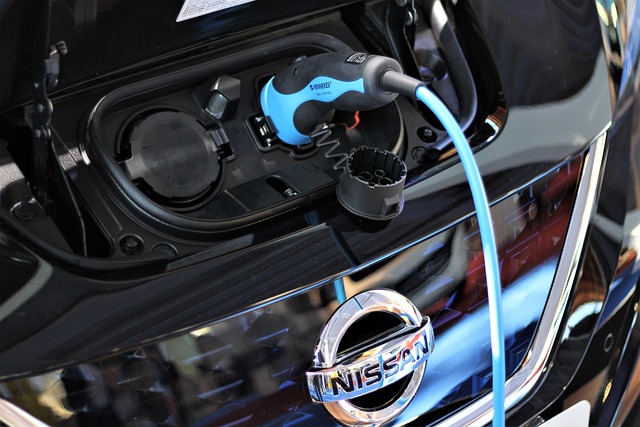
Shifts in Consumer Demand and Market Sentiment
Early adopters have already made their purchases, leaving a tougher crowd: mainstream consumers who weigh cost, convenience, and reliability more heavily. Many remain unconvinced that EVs fit their daily routines, particularly in regions with sparse charging networks. Inflation has further dampened enthusiasm for expensive discretionary purchases like electric vehicles. Surveys show that consumers increasingly compare EV practicality with traditional models—especially regarding range anxiety and resale value.
The Role of Pricing, Incentives, and Interest Rates
Rising interest rates have made financing new cars more costly across the board. Since EVs often carry higher sticker prices than internal combustion vehicles, the financing gap widens quickly. Government incentives have also started to fade or tighten eligibility requirements in several key markets, removing an important price equalizer. Meanwhile, aggressive discounting by some automakers has compressed margins but not fully revived demand.
Structural Challenges in the Electric Vehicle Ecosystem
Beyond market sentiment, structural barriers continue to constrain EV growth—from battery supply chains to infrastructure readiness.
Supply Chain Constraints and Production Costs
Battery materials like lithium and nickel remain volatile in price despite recent easing from pandemic-era peaks. Manufacturing scalability still depends on stable access to these resources. Supply chain disruptions—whether from geopolitical tensions or logistics bottlenecks—can delay deliveries and inflate costs. Regional disparities persist too: Asia dominates cell production while Europe and North America race to localize capacity through new gigafactories.
Charging Infrastructure Limitations
Charging availability remains unevenly distributed. Urban centers see dense charger networks while rural areas lag far behind. Even where chargers exist, speed and reliability vary widely; slow or broken stations erode public confidence. Private investment has grown but still trails what’s needed for mass adoption. Public funding helps fill gaps but often moves slowly through bureaucratic channels.
Competitive Landscape: Traditional Automakers vs. New Entrants
Competition now defines the EV sector’s next stage as legacy brands recalibrate strategies and startups fight for survival.
Legacy Automakers’ Strategic Adjustments
Established carmakers are walking a fine line between maintaining profitable ICE models and scaling EV production. Many form alliances with battery suppliers or software firms to accelerate learning curves they can’t afford alone. Yet ramping up EV assembly lines demands new tooling, retraining workers, and reconfiguring supply chains—tasks that strain even the largest companies.
The Position of Pure EV Manufacturers
Pure-play EV startups face tighter funding conditions as investors grow cautious after early hype cycles faded. Without consistent subsidies or deep pockets, many must pivot toward efficiency improvements or mid-market affordability rather than luxury innovation alone. Consolidation looms as smaller players struggle to sustain capital-intensive operations.
Technological Evolution and Its Influence on Market Stability
Technology remains both a stabilizer and disruptor within the EV sector—advances promise cost cuts but also raise expectations faster than firms can deliver.
Advances in Battery Technology and Energy Density
Solid-state batteries attract major R&D spending for their potential to increase energy density while reducing reliance on scarce minerals like cobalt. Progress is tangible but commercial rollout remains years away. Falling cost per kilowatt-hour continues to shape competitiveness; BloombergNEF projects sub-$100 levels later this decade if scaling continues smoothly. Recycling innovations are also gaining traction as part of circular economy strategies that could buffer future material shortages.
Software Integration, Autonomy, and Connectivity Trends
Software-defined vehicles are turning cars into rolling digital platforms where updates reshape performance post-sale. This shift alters revenue models toward subscriptions or data services but adds cybersecurity complexity that regulators now scrutinize closely. Autonomous driving development cycles influence consumer trust; delays or safety incidents can ripple across broader EV perceptions.
Policy, Regulation, and Global Market Outlook
Government frameworks still anchor long-term demand trajectories even as short-term policy shifts create uncertainty for manufacturers.
Government Policies Driving or Hindering Adoption
Tighter emissions standards in the EU, U.S., and China continue pushing automakers toward electrification targets despite political pushback in some regions. Policy uncertainty—such as changing tax credit rules or trade tariffs—can freeze investment decisions temporarily until clarity returns.
Regional Market Divergence: Growth vs. Saturation Zones
While Europe’s growth slows under saturation effects, markets like India and Southeast Asia show strong potential due to favorable policies and improving infrastructure readiness. Automakers increasingly reallocate production footprints globally to balance fluctuating regional demand patterns.
Future Scenarios: Correction Phase or Structural Decline?
The question now facing analysts is whether today’s slowdown signals temporary adjustment or something deeper within the electric vehicle story.
Indicators Suggesting a Temporary Market Correction
Sales data reveal cyclical pauses typical of maturing technologies once early adopters plateau before mass-market acceleration resumes. Inventory levels are stabilizing as manufacturers trim output rather than flood dealers—a sign of discipline rather than distress.
Factors Pointing Toward Long-Term Decline Risks
Still, risks linger if innovation plateaus or hybrid systems capture disillusioned buyers seeking compromise solutions like plug-in hybrids or hydrogen fuel cells. Profitability pressures may intensify under tighter competition without generous subsidies to cushion costs. Consumer fatigue could rise unless breakthroughs deliver clear leaps in affordability or usability beyond incremental upgrades.
FAQ
Q1: Why are electric vehicle sales slowing down?
A: The slowdown stems from saturated early-adopter markets, high financing costs due to rising interest rates, reduced government incentives, and persistent infrastructure gaps deterring mainstream consumers.
Q2: Are electric cars becoming too expensive for average buyers?
A: Yes, relative to conventional models they remain pricier upfront despite lower running costs; however ongoing battery cost reductions may narrow this gap over time.
Q3: How much do charging limitations affect adoption?
A: Significantly—limited charger availability outside cities undermines confidence among potential buyers who fear range issues during longer trips.
Q4: Which regions still show strong growth potential?
A: Emerging markets such as India and parts of Southeast Asia continue expanding thanks to pro-EV policies and rising urbanization supporting infrastructure build-out.
Q5: Is this downturn permanent?
A: Most analysts view it as a correction phase typical of technology transitions rather than structural decline; long-term trends still favor electrification driven by regulation and innovation momentum.