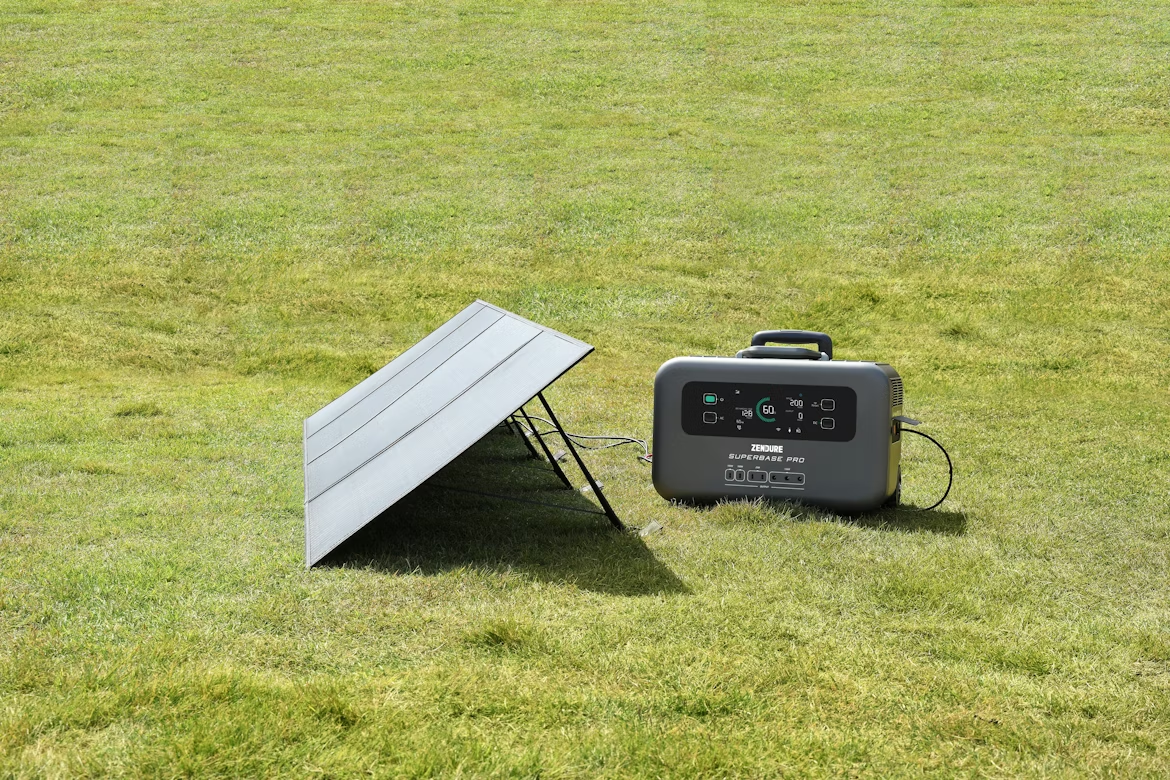

Solar generators have moved far beyond basic portable sets for camping trips. By 2026, they take on an important job in powering houses through difficult periods. The short answer is yes. Fresh solar generators offer firm power over many days. They rely on good materials and clever designs. These arrangements equal classic fuel generators in their effectiveness. At the same time, they align with plans for a better environment. They depend on lithium iron phosphate (LiFePO4) batteries. They also feature wise methods to manage power. All this turns them into trustworthy and eco-friendly choices.
People once saw solar generators as fun gadgets for weekends away. Now, things have changed. Families use them to keep lights on and fridges running when storms hit. This shift comes from better tech and rising energy costs. Homes face more outages each year. As a result, reliable backups matter more than ever. Solar options fill that need without the mess of gas cans or loud engines.
The Growing Importance of Reliable Home Backup Power
Firm energy has become a major element in everyday living now. Houses connect lots of tools and clever devices. Therefore, the demand for strong power climbs quickly.
Life without steady electricity feels impossible these days. From morning coffee to evening homework, power keeps things going. When it fails, routines break. That’s why backups are essential. They provide security in an uncertain world.
Evolving Energy Demands in Modern Households
Families depend on various devices for daily tasks. These cover things like adjusting room temperature and doing work at home. Smart thermostats assist with temperature control. EV chargers support electric cars too. AI appliances take part in this mix. Each one requires constant electricity. Problems on the main grid strike suddenly. Brief outages disrupt alarm systems or computer files. This heavy dependence pushes people to seek independence from central lines. Instead, they choose natural, clean ways to back up power.
Take a busy morning. The coffee maker starts first. Then, the kids’ tablets light up for school. Parents check emails on laptops. All these run on the grid. But if a tree falls on a wire, everything stops. Food spoils in the fridge. Work deadlines slip. Safety lights go dark. Such moments show why homes need backups. Solar generators step in here. They store sun power for just these cases. Families regain control fast. Daily life resumes without much delay.
Modern homes grow smarter each year. Lights turn on by voice. Ovens preheat via apps. Chargers for phones and watches dot every room. Add in home offices and streaming TVs. The list goes on. Each device draws power. Together, they create high demands. Grids struggle to keep up, especially in growing areas. Blackouts happen more often. They last longer too. This trend forces a rethink. People want options that work off-grid. Sun-based systems provide that freedom. They let homes run key items for hours or days.
Limitations of Traditional Backup Solutions
Old fuel-run generators have long been the standard pick for emergencies. Yet, they carry obvious drawbacks. They require gasoline or diesel to operate. This brings repeated expenses. It releases exhaust into the atmosphere as well. The racket they create disturbs everyone nearby. Ongoing repairs create extra work for household use. Moreover, relying on these fuels conflicts with global efforts to lessen harmful pollution. Cleaner alternatives gain stronger backing today.
Fuel storage poses risks. Cans leak or tip over. Spills harm garages or yards. In cold weather, fuel gels and clogs engines. Hot days make vapors build up, raising fire chances. Owners must check levels often. Running tests weekly adds time. Noise wakes babies or pets during night outages. Fumes irritate eyes and lungs inside homes. These issues add up. Many families seek quieter, safer paths. Solar generators avoid all this trouble. They sit ready without weekly fuss.
Costs mount over time. Fuel prices rise with world events. A single storm might empty tanks fast. Refills at midnight stores cost extra. Maintenance calls for oil changes and filter swaps. Parts wear out from constant starts. Repairs drain wallets yearly. Environmentally, the impact lingers. Each run adds carbon to the air. This clashes with clean air goals. Governments push for change. Subsidies favor green tech now. Traditional units lose appeal as rules tighten on emissions.
The Emergence of Solar Generators as a Viable Alternative
Technology improves steadily. Solar generators now serve as true replacements for older models. They operate silently. They produce no fumes. They integrate smoothly into home arrangements.
The rise feels natural. As panels get cheaper, more homes add them. Batteries hold more charge. Inverters handle bigger loads. All this makes solar backups practical. Families notice the difference. No more hauling fuel. Just plug in and go. This ease wins over doubters. Sales climb as word spreads.
Core Components of Solar Generator Systems
A solar generator typically includes several key elements. These consist of solar panels, a charge controller, an inverter, and battery storage. The inverter converts DC power into AC power. This type suits household appliances. Lithium iron phosphate (LiFePO4) batteries dominate the field today. They endure many cycles over years. They remain secure in warm settings. In 2026, lithium iron phosphate (LFP) chemistry controls home battery markets. Nearly all leading companies adopt it. These batteries manage more than 6,000 cycles at 80% depth of discharge. That equals roughly 20 years of daily use.
Solar panels capture sunlight. They turn it into usable electricity. The charge controller regulates flow. It prevents damage from overcharge. Batteries store the energy. They release it when needed. The inverter switches forms for outlets. Each part plays a role. Together, they form a complete system.
Effectiveness depends on managing waste. Waste arises when converting solar input to AC output. Leading models employ MPPT controllers. These modify voltage on demand. They capture the greatest energy amount. They function effectively even with partial shade on panels.
Shade tests show real strength. Trees or buildings block sun often. Old controllers drop output fast. MPPT ones adjust and keep going. This means more power on cloudy afternoons. Homeowners get reliable results year-round. No big dips in performance.
Technological Advancements Driving Solar Generator Performance
Fresh concepts have altered the operation of these systems. Producers like SolaX incorporate AI-based BMS these days. They add AI AFCI arc-fault detection as well. Intelligent scheduling aids too. These features estimate incoming solar power. They forecast home consumption too. Thus, batteries operate at peak efficiency independently. Hybrid charging combines solar and outlet sources. It reduces downtime during poor weather. Modular panel setups allow expansion as demands increase.
AI watches battery health. It spots issues early. Scheduling plans for sunny peaks. It saves for night use. Hybrid modes switch sources smartly. Cloudy day? Pull from the wall. Sun returns? Back to panels. Owners expand easily. Add a panel here, a battery there. Systems grow with the family.
SolaX leads in smart features. Their apps show daily stats. Users set priorities, like fridge first. Detection spots wire faults before fires start. All this builds trust. Families sleep better knowing tech guards their power.
Evaluating the Reliability of Solar Generators for Home Backup in 2026
To judge their dependability, go past simple power specs. Examine performance in routine conditions.
Real tests matter most. Labs give numbers. Homes tell stories. Users share outage experiences. Systems that last win praise. This evaluation guides smart buys.
Performance Metrics for Assessing Reliability
The cycle count serves as the chief indicator of durability. LiFePO4 cells outperform prior kinds like NMC. They provide longer life and greater safety. They manage warm and cool conditions effectively. Thus, they deliver consistent work from cold winters to hot summers. Sudden failures stay rare. Real-time monitoring systems offer prompt reports. They track power distribution. This avoids excess loads or imbalances in connections.
Cycles measure charge and discharge rounds. More cycles mean longer service. LiFePO4 hits thousands without fade. Safety comes from stable chemistry. No fires like some rivals. Temperature range widens use. From Alaska winters to Texas heat, they hold steady. Monitoring apps alert on issues. Users fix small problems fast. Power flows evenly to devices. No weak spots develop.
Integration with home tools enables flexible shifts. When batteries reach capacity, surplus powers EV charging. Or it warms water tanks. The process runs without snags.
Link to smart meters. See usage patterns. Direct extra to high-need spots. Like pool pumps or AC units. Smooth operation keeps homes comfortable. No manual tweaks required.
Comparing Solar Generators to Conventional Backup Systems
Fuel generators supply large power surges instantly. However, they cease when fuel depletes. Solar units refill via daily sunlight. No fuel purchases occur. This cuts costs gradually. Repairs stay minimal. With no moving elements, oil swaps prove needless. Across ten years, total expenses usually favor solar. Initial costs run higher. Yet, operational fees near zero follow installation.
Fuel units excel in quick starts. But runtime limits them. A full tank lasts hours, not days. Refuel risks in dark or rain. Solar recharges passively. Sun rises, power builds. Savings add up. No gas station runs. Low upkeep means less time tinkering. Long view shows payback. Upfront hits the wallet. Then, free power flows.
A solid home battery provider combines sturdy cell tech with plain warranty terms. They supply growth paths. Nearby support persists over the lifespan. This concept applies to various technologies. Units with fewer external dependencies excel in extended blackouts.
Providers like SolaX offer full packages. Warranties cover years. Expansion kits fit seamlessly. Local techs handle installs. During storms, isolation helps. No fuel runs needed. Systems shine in isolation.
Integration of Solar Generators into Smart Energy Ecosystems
The following phase involves their connection to larger home and grid networks. Isolation no longer suffices alone.
Smart homes demand connection. Backups join the team. They talk to other devices. This creates a unified flow. Energy uses wisely across the board.
Compatibility with Home Energy Storage Systems (HESS)
Solar generators connect further with residential battery clusters. They employ clever inverters for linkage. These support grid ties or solo modes. SolaX Power stands out here. They provide a broad array of connected items. This includes solar inverters, battery storage, commercial ESS, EV chargers, and heat pumps. All function beneath one management interface. Thus, charging syncs with weather predictions or rate variations. It aids self-consumption of power. It permits involvement in utility response efforts too.
Compatibility opens doors. Inverters match standards. Batteries stack with others. Control apps unite everything. Weather apps feed data. Rates drop? Charge more. Self-use cuts bills. Grid programs pay for peaks. SolaX simplifies this. One dashboard rules all. From panels to pumps, it flows.
Users report easy setups. Plug in, app connects. Daily reports arrive. Adjustments happen via phone. This integration boosts value. Homes become energy smart.
Enhancing Grid Resilience Through Decentralized Power Generation
Electricity produced at numerous local sites lightens strain on primary cables during peak hours. Countless small setups supply area mini-grids. In unison, they maintain stable voltage in neighborhoods. Policy figures recognize this aid presently. Incentives target configurations that support the grid. These encompass frequency maintenance or entry into virtual power plant (VPP) collectives. They draw on fixed communication protocols like OpenADR or IEEE 2030.5.
Decentralized means power close by. Homes generate their share. Excess feeds neighbors. During rushes, lines ease. Voltage holds firm. No big dips. Rules reward helpers. Steady output earns credits. VPP groups pool resources. Protocols ensure safe talks. OpenADR signals demand shifts. IEEE sets standards. All this strengthens the whole system.
Real events prove it. Heat waves strain grids. Local solar kicks in. Blackouts shorten. Communities recover quicker. Leaders encourage more. Grants fund installs. Resilience grows from the ground up.
Market Trends Shaping the Future of Solar Generators by 2026
Greater numbers adopt them as prices fall and policies enhance globally.
Trends point upward. Costs drop yearly. Rules favor clean tech. Adoption spreads wide. From cities to farms, solar fits all.
Innovations from Leading Manufacturers and Emerging Startups
Producers advance using compatible parts and extra protections. They emphasize utility over sheer scale. SolaX’s residential battery range illustrates this. The T-BAT-SYS-HV platform contains 2.5 kWh and 3.6 kWh high-voltage LFP modules. Expansion reaches hundreds of kilowatt-hours. This suits large residences or minor businesses. They seek robustness versus prolonged outages.
Innovations focus fit. Parts snap together. Safety layers add peace. SolaX shows modular power. Start with basics. Grow to full home coverage. Big houses stack for more. Shops use for lights and tools. Strength holds through nights without grid.
Rising firms test blended renewables. They include mini wind turbines or hydro setups with solar panels. This diversifies generation. It supports low-sun periods in dim seasons. It functions as a clever shield against annual shifts.
Startups bring fresh ideas. Wind adds breeze power. Hydro uses streams. Solar covers days. Mix ensures steady flow. Winter clouds? Wind picks up. Rainy spells? Hydro helps. This variety cuts risks. Smart controls balance inputs.
Economic Factors Influencing Market Adoption Rates
Expense per watt-hour declines continuously. Large production in Asia-Pacific zones assists. Most battery cells originate there. Worldwide energy storage installations increase beyond 20% yearly. Decreasing battery costs drive this. Electricity rate swings contribute. Supportive regulations from governments in major regions hasten it. Tax reductions and net-metering schemes lower initial outlays. They allow owners to return surplus power. This accelerates return on investment. Residents seek consistent clean electricity free from volatile grid pricing.
Economics make sense. Prices halve every few years. Asia builds fast. Cells flood markets cheap. Growth hits 20% plus. Bills rise elsewhere. Governments help with breaks. Taxes cut deep. Net-metering credits sales. Payback drops to five years. Homes save on monthly statements. Stability beats uncertainty.
Owners calculate gains. Install costs fall. Savings start day one. Excess sells back. Incentives stack up. From rebates to loans, help abounds. Chasing steady power pays off.
Environmental and Sustainability Considerations in Solar Backup Systems
Functionality guides purchases today, yet the eco angle remains central in expert chats for coming years.
Green matters grow. Buyers ask about impact. Pros discuss full cycles. Sustainability shapes futures. Systems must help, not harm.
Lifecycle Analysis of Solar Generator Components
Battery production draws lithium and various metals. Extraction harms environments if mishandled. Recycling approaches expand. However, they follow behind new unit rollouts. Recycling chains will count heavily as early batteries retire near 2030–2035.
Lifecycle covers all stages. Mining starts it. Factories build next. Use follows. End brings recycle. Poor mining scars lands. Good practices protect. Recycling saves resources. Loops close waste. First waves near end soon. Prep now matters.
Producers using eco manufacturing methods reduce lifetime emissions greatly. Examples include solvent-free coverings on components or sealed water systems. These surpass fuel choices that emit pollutants during every operation.
Green builds cut harm. No harsh chemicals. Closed loops save water. Panels last decades. Batteries reuse well. Fuel units burn dirty always. Solar shines cleaner overall.
Contribution to Global Renewable Energy Goals
Residential solar generators aid in reaching international clean objectives directly. They gradually oust diesel reserves. Their distributed form extends clean power access widely. It surpasses massive initiatives. Dwellings become participants in national green strategies. They cease as passive consumers bound to extensive grids.
Contributions add up. Homes cut fossil use. Diesel fades out. Distribution empowers all. Big projects help cities. Small ones reach remote spots. Nations hit targets. Paris goals near. Users join the effort. Grids lighten load.
Global aims demand action. Solar backups deliver. Swap old for new. Spread power wide. Homes aid plans. From users to producers, change happens.
FAQ
Q1: What makes LiFePO4 batteries better suited for home backup?
A: They provide extended cycle life. Typically exceeding 6,000 cycles. They tolerate heat superior to earlier varieties like NMC or lead-acid.
Q2: How do hybrid charging inputs improve reliability?
A: Combining solar panels with grid power quickens recharges on overcast days. It copes with peak demands absent solar delays.
Q3: Are modern solar generators compatible with smart home systems?
A: Yes. Numerous models connect via online platforms. This delivers real-time views, energy management, and intelligent schedules linked to weather or rate info.
Q4: What maintenance does a solar generator require?
A: Wipe panels up to twice annually. Refresh software through company apps. Unlike gas models, no oil or mechanical servicing is required.
Q5: How do government incentives affect adoption rates?
A: Rebates and tax aids slash starting prices significantly. Net-metering enables returning excess to the grid. This draws numerous purchasers by 2026.