
The U.S. solar energy field has stepped into a fresh stage of home-based making power. Suniva’s news about a 4.5-gigawatt (GW) solar cell plant in South Carolina stands as one of the biggest steps forward. For workers in the green power area, this change shows not only more room to make things but also a bigger shift in how solar tech fits into the country’s work plans. The plant marks a key spending effort to bring clean power making back home. It helps with energy freedom and tech strength. World supply lines keep facing doubts. So, plans like this show how local idea centers can boost country toughness.
The Strategic Importance of Suniva’s 4.5-GW Solar Cell Facility
Positioning South Carolina as a Solar Manufacturing Hub
Suniva chose South Carolina for its big solar cell plant. This choice puts the state at the heart of green making growth in the Southeast. The plant improves nearby setups for solar power. It also spreads out the area’s work base past old fields like car building and air travel. People expect it to make thousands of jobs in building, moving goods, and trained making roles. This step aids in making a lasting money setup based on clean tech.
South Carolina sits close to big ports such as Charleston and Savannah. This nearness gives a plus for sending out done goods fast across the U.S. market. Such easy moving cuts down on travel costs. It also speeds up times for large solar projects all over the country.
Implications for Domestic Solar Supply Chain Resilience
This plant’s start makes the home supply line tougher. It cuts down on need for brought-in parts that once ruled the U.S. market. Suniva adds to home making room. As a result, it helps lower dangers from world trade breaks and world fights that hit material supply or price steadiness.
Plus, this plan fits well with country rules that push clean power freedom. They use rewards like making tax breaks and money gifts from new laws that back green making spending. These rules seek to build a self-keeping setup. In it, U.S.-made solar cells form the main support for the country’s work to cut carbon.
Technological Innovations Driving Suniva’s Expansion
Advancements in Solar Cell Efficiency and Design
Suniva’s growth centers on tech changes that boost output and lasting power. Teams work on new cell shapes. These aim for better change rates. They turn more sun into power you can use per panel. They also make cells last longer in tough weather.
New stuff like passivated emitter rear contact (PERC) layers and two-sided designs help catch light from both panel sides. This raises total power without making the size bigger. Suniva teams up with study places. Together, they speed up work on ready-to-sell tandem cell tech. This mixes silicon with new stuff like perovskites.
Automation and Smart Manufacturing in Solar Production
Machines that work alone play a big part in growing making while keeping steady quality at big output levels. Smart check systems run by AI spot tiny flaws during making. They make sure every group of cells works the same. Robots handle repeat jobs on lines with care. This cuts mistakes by people and work costs at the same time.
Tools for number study also lift how well things run. They watch gear work right now. They guess when fixes are needed before breaks happen. They adjust steps for steady betterment. These number-based making ways change old making into smart plants. Such plants can switch fast to meet changing market needs.
The Role of Solar Energy in Stimulating Industrial Innovation
How Renewable Energy Adoption Spurs Technological Development
As need for solar fixes rises, fields next to sun power—like stuff study, electric tools, and machine work—must change quicker. The chase for better output parts pushes big steps in chip handling and thin cover methods. Later, these find uses outside power making.
Work between fields also brings steps in keep systems, grid join tech, and smart power handle tools for spread-out nets. Fight in the green field builds steady better cycles. Each round gives stronger work at less cost.
Influence on Regional Research Ecosystems and Workforce Development
Big plants like Suniva’s make good spots for links with schools and tech schools in South Carolina. These team-ups back special training plans fit for sun power building, stuff tests, and machine control. These skills grow more key for workers tomorrow.
Spending on study centers draws top experts and builders who want chances to use their know-how in real work settings. As facts move between school and work, changes speed up. This happens through shared tests, team patent making, and hands-on show plans.
Economic and Environmental Impacts of Large-Scale Solar Manufacturing
Economic Contributions to Local and National Markets
A plan this size brings wide money gains past quick job making. Sellers of base stuff, move services, or fix help see extra growth in area money flows. On a country level, more home room makes U.S. strength against world makers stronger. It cuts import need while building chance to send out high-output parts.
Long spending on green making setups sets the base for lasting work growth. This fits with world goals to cut carbon. It makes sure growth that is both money-smart and earth-friendly.
Environmental Advantages of Expanding Solar Infrastructure
From an earth view, growing solar making lowers carbon weight per bit of power made compared to old fuel ways. Life checks always show that new sun power setups pay back their built-in gases in just a few years. After that, they keep making clean power for many years.
Work for round economy ways also picks up speed in the field. Reuse plans get back key stuff like silicon rounds or metal frames from old panels. They use them again in new making rounds. This cuts waste from end-life care.
Policy Frameworks Supporting Solar Innovation in the United States
Federal Incentives Encouraging Renewable Manufacturing Investments
Country rule setups stay as main pushes behind plans like Suniva’s growth. Tax breaks from new weather laws pay back firms that spend at home on clean tech making lines. They follow earth care rules all through supply lines.
Team work between public and private groups boosts these gains. They mix money from rule groups and private backers into big plans. These push shared aims around cutting carbon and money fresh start through green work growth.
State-Level Initiatives Enhancing South Carolina’s Renewable Landscape
At the state level, aimed reward plans have made South Carolina more drawing for makers who seek steady rule spots that back long green setup growth. Team work among state groups, power companies, and private helpers aids in lining up okay steps and worker training plans needed for lasting win.
These area plans add to country goals. They turn wide rule ideas into real steps based in local money truths. This links country dreams with town-level do power.
Future Outlook: Scaling Innovation Beyond Suniva’s Facility
Emerging Trends Shaping the Next Phase of Solar Technology Development
Looking forward, mix systems that join solar power with battery keeps are set to change how power is handled across spread grids. They balance up-and-down issues in green power. Steps in perovskite-silicon tandem cells vow top output wins once fix challenges around steady hold are fixed.
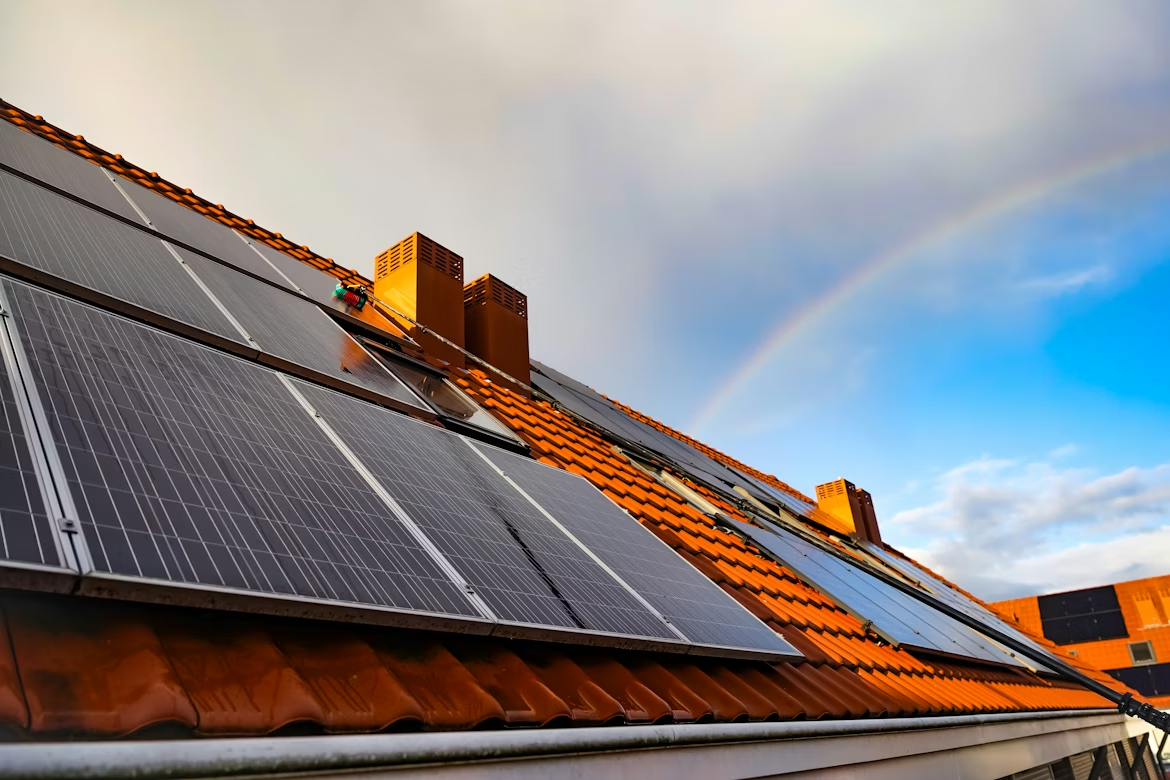
At the same time, spread-out ways—where users make some of their own power through roof setups joined into smart nets—change old maker-user ties into moving power setups built on bend rather than center hold.
Strategic Pathways for Sustaining Innovation Momentum in U.S. Solar Industry
Keeping push going needs steady spending into study lines that can match quick world steps. It also needs growing school paths that ready skilled fixers set to run next-round plants well from the first day on site work onward.
Rule match among country watchers, state leaders, private firms stays key. It makes a sure spot where changes grow without outside ups and downs. This lets America keep its lead spot in the fast-changing clean tech field. The world sees it as a mark of top care in lasting-driven work change path powered at last by sun itself caught ever smarter each year that passes.
FAQ
Q1: What is the capacity of Suniva’s new facility?
A: The facility will have a total capacity of 4.5 gigawatts dedicated to producing high-efficiency solar cells for domestic markets.
Q2: Why was South Carolina chosen as the location?
A: Its robust logistics network including access to major ports makes it ideal for distributing products efficiently across North America while supporting local job creation.
Q3: How does this project impact U.S. supply chain resilience?
A: It reduces reliance on imported components by boosting domestic manufacturing capabilities crucial during global trade disruptions.
Q4: What technological innovations are featured at this plant?
A: The facility incorporates advanced automation robotics AI-based quality control along with research collaborations focused on next-generation photovoltaic technologies.
Q5: How will it benefit environmental sustainability?
A: By expanding clean energy production domestically it lowers carbon emissions supports recycling practices within circular economy frameworks promoting long-term ecological balance.