
What a 10kw wind turbine can realistically do
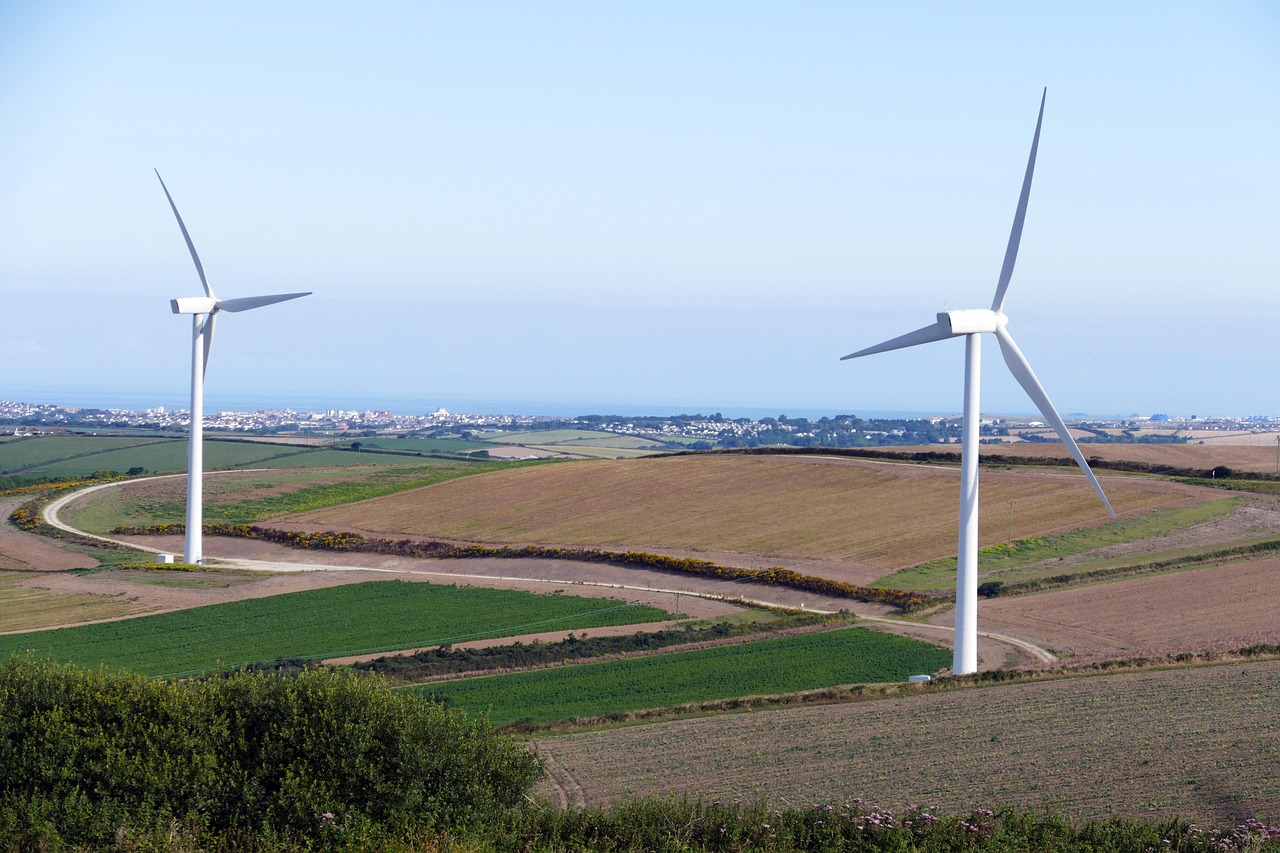
A 10kw wind turbine should be viewed as a small distributed wind system, not a miniature utility-scale wind farm. In standard engineering notation, it is a 10 kW machine, which means the generator can deliver around 10 kilowatts under defined rated wind conditions. It does not mean the turbine will produce 10 kW continuously.
Its real value depends on annual wind speed at hub height, turbulence, tower height, certification, interconnection rules and total installed cost. On an exposed rural property, farm, ranch, telecom site or small business with strong wind, a turbine in this size class can offset a meaningful share of electricity use. On a suburban roofline or a tree-covered lot, the same rating may deliver disappointing results. For more context on wind technology and distributed renewable energy, see our wind energy insights.
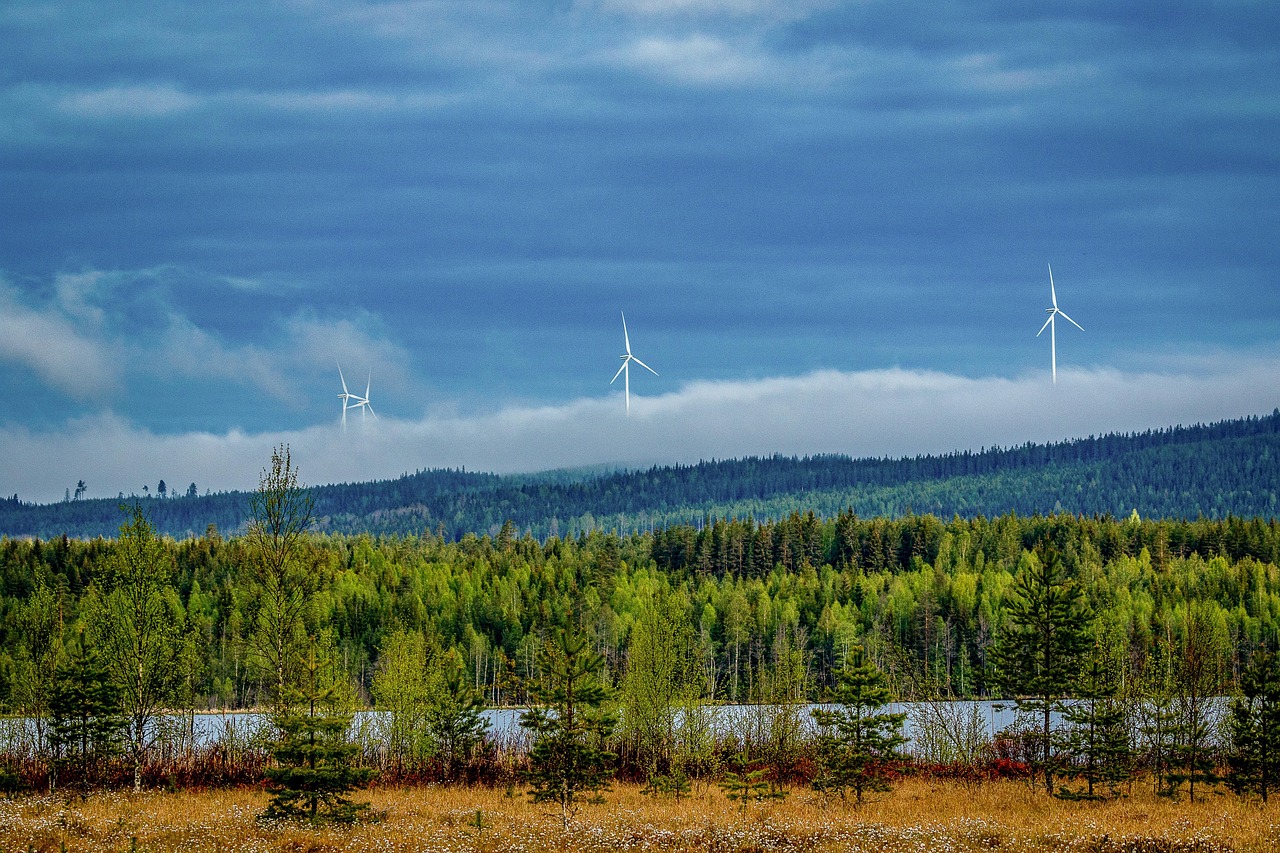
The U.S. Department of Energy describes small wind technology as systems below 100 kW, commonly used at homes, smaller farms and commercial or industrial facilities. A 10 kW turbine sits near the upper end of typical residential systems and the lower end of farm or small commercial systems. It is large enough to require a proper tower, foundation, electrical design and permitting process, but still small enough that site-specific wind quality can determine whether the project works.
Why site quality matters more than nameplate power
The most common mistake when evaluating a 10kw wind turbine is treating rated power as if it were annual production. Wind turbines do not operate like diesel generators. Output rises sharply as wind speed increases, and it drops quickly when wind is weak or turbulent. The U.S. Energy Information Administration says good locations for small wind turbines generally have annual average wind speeds of at least 9 mph, or about 4.0 m/s. That is a minimum screening figure, not a guarantee of economic performance.
Hub-height wind is the important measurement. A weather app, airport reading or ground-level anemometer near a building can be misleading because wind speed usually improves with height and open exposure. The DOE Small Wind Guidebook also emphasizes obstacle clearance. Its guidance says a turbine should be sited upwind of buildings and trees and should stand well above nearby obstructions; current DOE guide language refers to 30 feet of clearance above anything within a 500-foot horizontal radius. Older state guides often used a 300-foot radius, but the principle is the same: keep the rotor out of dirty wind.
Rooftop mounting is usually a poor fit for this size class. Buildings create turbulence, vibration paths and noise paths, and they rarely provide enough height for a 7-meter to 10-meter rotor to operate smoothly. A ground-mounted tower on open land is usually the more credible configuration. Before comparing turbine models, a buyer should map prevailing wind direction, tree growth, nearby buildings, ridge lines, zoning limits and the practical route for trenching power cables.
How to estimate annual output without overpromising
Annual energy is measured in kilowatt-hours, not kilowatts. A simple upper boundary is 10 kW multiplied by 8,760 hours, or 87,600 kWh per year. No small wind turbine reaches that number because wind is variable, turbines start only above cut-in speed, and rated power occurs only at higher wind speeds. A realistic estimate should use the manufacturer’s certified power curve, hub-height wind distribution, air density, expected availability, electrical losses and a turbulence adjustment.
A useful reality check comes from historical certification data for the Bergey Excel 10, a well-known 10 kW-class turbine. Its manufacturer documents list a nominal rated power of 10 kW, while certification records reported 8.9 kW at 11 m/s and rated annual energy of about 13,800 kWh at a 5 m/s average wind speed under standard assumptions. That example is not a universal production forecast, but it shows why a certified annual energy figure is more useful than the model name. At 13,800 kWh per year, the output is equivalent to about 16% of a 10 kW machine running at full power all year.
For perspective, recent U.S. Energy Information Administration residential data put average annual electricity use for a U.S. residential customer at roughly 10,500 to 10,600 kWh. A strong 10 kW-class wind site could therefore be comparable to a typical home’s annual consumption. The monthly match may still be imperfect. Wind may be strongest in winter or at night, while household demand may peak during summer cooling or daytime equipment use. Grid-tied owners need interconnection and crediting rules; off-grid owners need storage or backup generation.
| Input to check | Why it matters |
| Measured or modeled wind speed at hub height | Determines whether the site has enough energy to justify the tower and equipment. |
| Power curve and certified annual energy | Shows expected production more clearly than the 10 kW nameplate rating. |
| Turbulence and obstacle clearance | Can reduce production and increase mechanical stress if ignored. |
| Monthly electricity use | Helps size the system around actual load rather than a generic home average. |
| Interconnection or battery design | Determines how excess output and calm periods are handled. |
Cost, certification and market availability in 2026
Small wind costs vary widely because the turbine is only one part of the system. Towers, foundations, controllers, inverters, wiring, trenching, cranes, permitting, engineering and commissioning can account for a large share of installed cost. The PNNL Distributed Wind Market Report 2024 edition reported an average capacity-weighted installed cost of $11,410 per kW for new small wind projects from 2014 through 2023. For the small sample of five new small wind projects with reported costs in 2023, the average was $7,370 per kW. A later PNNL technology data update for 2024 reported an average of $6,680 per kW for new small wind projects, based on 30 projects using 45 turbines. These figures are market benchmarks, not quotes for a specific property.
Applied to a 10 kW concept, those benchmarks point to a project measured in many tens of thousands of dollars before site-specific incentives or unusual installation conditions. Simple multiplication is useful for context, but it should not replace contractor pricing. A remote site, tall tower, difficult foundation, long wire run or complicated interconnection can move the final installed cost substantially.
Certification is just as important as price. The International Electrotechnical Commission’s IEC 61400-2 standard covers safety and design requirements for small wind turbines. In the United States, PNNL tracks small and medium turbine certifications under standards such as ANSI/ACP 101-1-2021, AWEA 9.1-2009 and relevant IEC standards. PNNL’s certified small wind turbine table as of July 2026 listed current certified models including the Bergey Excel 15, Kodair KW20 and KW30, SD6, Skystream 3.7 and others. Notably, the current July 2026 table did not list an exact 10 kW certified model. That does not mean no supplier may market a 10 kW turbine, but it does mean buyers should ask for current certification documents, the certified power at 11 m/s, rated annual energy, sound level, expiration date and the applicable standard.
Grid-tied, off-grid and hybrid system choices
A grid-tied 10kw wind turbine is usually designed to offset on-site consumption while the grid covers calm periods. This arrangement depends on utility interconnection approval, metering rules, inverter compatibility and local electrical code. In some places, excess generation may receive retail credit, wholesale credit or a different tariff. Because rules differ by utility and can change, the financial model should use the current tariff for the actual service address.
Off-grid systems follow a different logic. A 10 kW turbine may be valuable when wind complements solar, especially in winter, at night or during stormy periods when solar output falls. However, off-grid design must include batteries, diversion loads or other controls so the turbine has a safe place to send power when the batteries are full. Many remote systems still need a generator for extended calm periods or maintenance outages. See also: clean energy.
Hybrid design is often more resilient than wind alone. Solar tends to be easier to install and predict, while wind can add seasonal and nighttime diversity if the site is genuinely windy. The correct comparison is not turbine cost versus solar module cost. It is delivered annual kWh, seasonal availability, maintenance burden and the value of energy when it is produced.
Permitting, maintenance and safety checks
A 10 kW turbine usually requires local permitting. Common review items include tower height, setbacks, property lines, fall zone, noise, visual impact, aviation considerations, electrical code compliance and utility interconnection. Rural zoning may be more flexible than suburban zoning, but assumptions are risky. Buyers should speak with the authority having jurisdiction before ordering equipment, not after the turbine is delivered.
Maintenance should also be treated as part of the project, not an afterthought. A credible plan includes tower inspections, guy-wire tension checks where applicable, bolt torque checks, blade inspection, yaw and furling checks, controller review, braking or shutdown testing and inverter monitoring. Some towers are tilt-up, while others require climbing or lifting equipment. The maintenance method affects both cost and safety.
Sound and neighbor concerns should be addressed early. Certification labels often report a rated sound level under standard assumptions, but actual perception depends on distance, background noise, terrain, tower placement and operating conditions. A quiet rural site can make mechanical issues more noticeable. Good siting and a certified turbine reduce risk, but they do not remove the need for local review.
A practical decision checklist before buying
- Confirm the wind resource. Use hub-height data or a qualified site assessment, not only regional maps.
- Check clearance. Make sure the rotor can stand well above trees, buildings and future obstructions.
- Ask for certification. Request current documents, rated annual energy, certified power at 11 m/s and sound data.
- Model annual kWh. Compare expected production with monthly utility bills and seasonal load.
- Price the full system. Include tower, foundation, wiring, inverter, controls, permitting, installation and maintenance access.
- Verify utility rules. Confirm interconnection, metering and any export compensation before signing a contract.
- Compare alternatives. Test the same budget against efficiency upgrades, solar, storage or a smaller hybrid design.
The strongest candidates for a 10kw wind turbine are open rural sites with persistent wind, enough land for a proper tower, supportive zoning and loads that can use the energy produced. The weakest candidates are turbulent suburban lots, rooftops, heavily wooded properties and buyers relying mainly on advertised peak power.
Frequently asked questions
Can a 10kw wind turbine power a house?
It can cover a large share of annual use on a suitable windy site, and in some cases annual output may exceed a typical home’s consumption. It should not be assumed to power a house continuously because wind varies hour by hour. Grid connection, batteries or backup generation are usually needed to handle calm periods.
What wind speed does a 10 kW turbine need?
As a screening rule, small wind sites should have annual average wind speeds of at least about 9 mph, or 4.0 m/s, at the relevant height. Better economics usually require stronger, cleaner wind. The turbine’s cut-in speed only shows when it starts producing; it does not prove the site will generate enough annual energy.
How much land is needed?
The turbine footprint is small, but the practical space requirement includes tower height, setbacks, guy wires if used, maintenance access and obstacle clearance. Open rural land is usually better than compact residential parcels. Local zoning rules may define minimum setbacks and maximum heights.
Is a 10kw wind turbine better than solar?
Neither technology is automatically better. Solar is often simpler and more predictable on many properties. Wind can add value where the site is exposed, wind speeds are strong and production complements solar or offsets high-value energy use. The fair comparison is total installed cost divided by realistic annual kWh at the specific site.
What should I ask a supplier before purchase?
Ask for current certification documents, the power curve, rated annual energy, tower options, foundation requirements, expected maintenance schedule, sound data, warranty terms, shutdown method, inverter compatibility and examples of comparable installations. Avoid decisions based only on a low turbine-only price or a peak wattage claim.