
Why clean energy matters now
The benefits of clean energy now extend well beyond climate policy. They affect electricity costs, public health, energy security, industrial competitiveness and local development. In practical terms, clean energy includes renewable power such as solar, wind, hydropower and geothermal, along with low-emissions electricity, storage, energy efficiency, electrification and cleaner fuels where they reduce pollution and dependence on fossil fuels. For readers following the wider clean energy transition, the key point is straightforward: clean energy is becoming a core part of modern energy planning, not a niche alternative.
The strongest case for clean energy comes from the way these benefits reinforce one another. Solar and wind can reduce exposure to fuel-price volatility because they do not require ongoing purchases of coal, oil or gas. Cleaner power also cuts greenhouse gas emissions and some air pollutants. At the same time, the transition can support manufacturing, construction, installation, operations and grid-related jobs. These benefits are real, but they are not automatic. They depend on effective siting, transmission, permitting, storage, market design and workforce planning.
Clean energy reduces greenhouse gas emissions
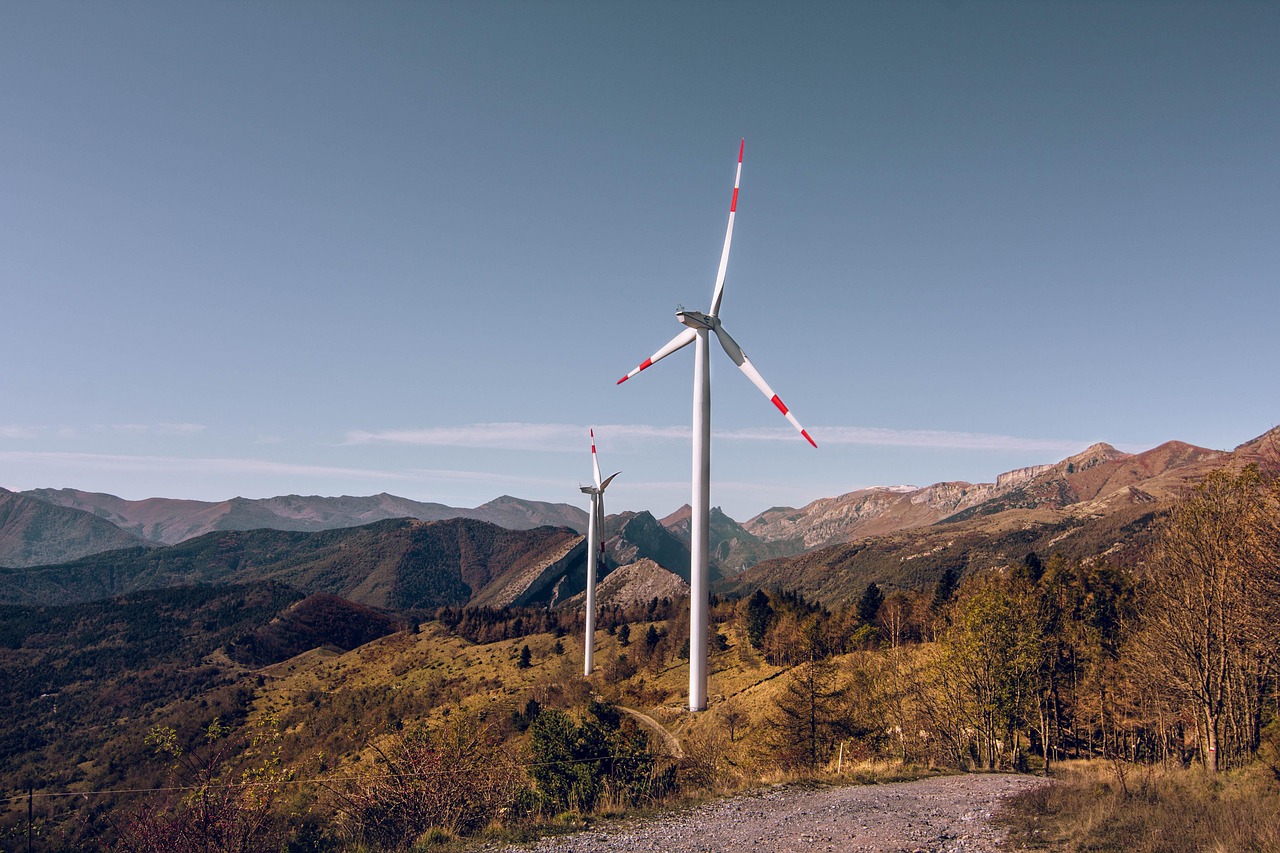
The most widely recognized benefit of clean energy is emissions reduction. Electricity generated from solar, wind, hydropower and geothermal resources produces little or no direct carbon dioxide during operation. When these resources replace unabated coal, oil or gas generation, they reduce power-sector emissions and make electrification more valuable in transport, buildings and industry.
The International Energy Agency reported that renewables supplied 34% of global electricity generation in 2025, up from 32% in 2024 and 23% a decade earlier. Low-emissions sources, including renewables and nuclear power, reached 43% of global electricity generation in 2025. Wind and solar PV together reached 17% of global generation, showing how quickly variable renewable energy has moved from a small share to a major part of electricity supply.
This matters because electricity is becoming the backbone of decarbonization. Electric vehicles, heat pumps, industrial electrification and digital infrastructure all deliver larger climate benefits when the grid becomes cleaner. A clean power system therefore multiplies emissions reductions across other sectors. The benefit is not only that clean energy replaces fossil power plants; it also improves the lifetime impact of cleaner end-use technologies.
Lower fuel dependence can improve energy security
Energy security used to mean securing enough fuel. Increasingly, it also means reducing exposure to volatile fuel markets, import disruptions, geopolitical shocks and extreme weather. Clean energy helps because local renewable resources can diversify a country’s energy mix and reduce dependence on imported fuels. The U.S. Environmental Protection Agency identifies diversification of energy supply and reduced dependence on imported fuels as key benefits of renewable energy.
Solar, wind and geothermal projects do not need continuous fuel deliveries once they are operating. That does not make them risk-free; they still depend on equipment supply chains, grid connections and maintenance. The risk profile is different, however. Instead of facing fuel price spikes year after year, much of the cost is fixed upfront through equipment, construction and financing. For governments, utilities and large energy users, this can make long-term planning more predictable.
Energy security can also improve when clean energy is distributed across many sites. Rooftop solar, community solar, distributed storage, microgrids and demand-response programs can reduce pressure on centralized systems when they are well integrated. In regions exposed to storms, wildfires or heat waves, local clean energy paired with storage can support critical facilities such as hospitals, water systems and emergency shelters. This is not a substitute for a strong grid, but it can add resilience when designed carefully.
Clean energy can reduce air pollution and health costs
Air pollution is one of the most direct ways energy choices affect daily life. Burning coal, oil, diesel, biomass and other polluting fuels can release fine particulate matter, sulfur dioxide, nitrogen oxides and other harmful pollutants. Clean electricity and cleaner household energy reduce these emissions at the source, especially where they replace high-polluting fuels.
The World Health Organization has estimated that the combined effects of ambient and household air pollution are associated with 6.7 million premature deaths annually. It also reported that household air pollution was responsible for an estimated 2.9 million deaths per year in 2021. These figures are not caused by the power sector alone, but they show why cleaner energy systems are also public-health strategies.
The health benefits are especially important in cities, industrial regions and communities near power plants, ports, highways or heavy industry. Cleaner electricity can reduce pollution from power generation, while electrified buses, trucks, appliances and heating systems can reduce combustion inside neighborhoods and buildings. The result can be fewer asthma triggers, lower cardiovascular risk, fewer missed school or work days and lower healthcare burdens. These benefits often appear locally, even though climate benefits are global.
Clean energy supports jobs and industrial development
Clean energy is also an economic development strategy. It needs workers in project development, engineering, construction, electrical work, manufacturing, software, grid operations, permitting, finance and maintenance. The International Renewable Energy Agency reported that global renewable energy employment reached an estimated 16.6 million jobs in 2024, with solar PV as the largest employer at about 7.2 million jobs.
Job creation should still be described carefully. Renewable energy jobs are not distributed evenly across countries, technologies or skill levels. Manufacturing jobs may cluster where supply chains are strongest, while installation and maintenance jobs are more local. Automation and economies of scale can also reduce labor intensity even as capacity grows. Clean energy policy therefore needs training, apprenticeships, safety standards and regional development planning, rather than assuming every project will automatically deliver broad employment gains.
For businesses, clean energy can support competitiveness in several ways. Long-term power purchase agreements may help stabilize electricity costs. On-site solar and storage can reduce exposure to peak demand charges in some markets. Access to low-carbon electricity can also help manufacturers meet customer requirements for lower-carbon supply chains. These benefits depend on local tariffs, contract terms, grid rules and project performance, so they should be evaluated through site-specific analysis.
Cost trends are improving, but affordability depends on system design
One reason clean energy has grown quickly is cost improvement. The Intergovernmental Panel on Climate Change has found with high confidence that cost reductions in solar PV, wind power and batteries have increased the economic attractiveness of low-emissions energy transitions. IRENA’s renewable power cost analysis for 2025 reported that solar PV remained highly cost-competitive and that onshore wind continued to be among the lowest-cost sources of new electricity in many markets.
Still, the statement that clean energy is cheaper needs context. A solar or wind project may have a low levelized cost of electricity, but power systems also need transmission, balancing, storage, flexible demand, firm capacity and market rules that reward reliability. In some places, delays in connecting new projects to the grid can raise costs. In others, high financing costs can make otherwise attractive projects expensive. See also: EVs.
The practical question is not whether one technology wins everywhere. The better question is how to build the lowest-cost reliable clean energy system for a specific region. That usually means combining resources: solar for daytime output, wind for complementary generation patterns, hydropower or geothermal where available, storage for short-duration flexibility, demand response for peak management and transmission to move power from high-resource areas to demand centers.
A current evidence snapshot
The table below summarizes several data points that help explain why the benefits of clean energy are receiving more attention from governments, utilities and businesses.
| Source or data area | Recent finding | Why it matters |
|---|---|---|
| IEA global electricity data | Renewables supplied 34% of global electricity generation in 2025, while low-emissions sources reached 43%. | Clean power is now a major part of the global electricity mix, not a marginal resource. |
| IEA electricity outlook | Low-emissions sources are forecast to reach about 50% of global electricity generation by 2030. | Grid planning, storage, transmission and market design will become central to the next stage of deployment. |
| IRENA renewable jobs review | Renewable energy employment reached an estimated 16.6 million jobs worldwide in 2024. | The transition is already linked to labor markets, skills policy and industrial strategy. |
| WHO air pollution data | Ambient and household air pollution are associated with 6.7 million premature deaths annually. | Cleaner energy can deliver health benefits beyond climate mitigation. |
| EPA clean energy guidance | Renewable energy can reduce greenhouse gas emissions, diversify supply and support economic development. | The benefits are environmental, economic and security-related at the same time. |
What limits the benefits of clean energy?
Clean energy has strong advantages, but the benefits are reduced when deployment is poorly planned. The first constraint is the grid. Many high-quality solar and wind resources are located far from cities or industrial centers. Without enough transmission, clean power can be delayed, curtailed or unable to reach customers. Grid queues and permitting bottlenecks can slow projects even when they are economically attractive.
The second constraint is reliability planning. Variable renewable energy depends on weather and time of day, so power systems need flexibility. That flexibility can come from batteries, pumped hydropower, demand response, interregional transmission, flexible conventional plants, geothermal, hydropower, nuclear power or other firm low-emissions resources. Research supported by the U.S. Department of Energy and national laboratories has examined systems with high wind and solar shares and found that reliability can be maintained, but it requires planning rather than assumption.
The third constraint is materials and land use. Solar panels, wind turbines, batteries and transmission lines require minerals, manufacturing capacity and land. These impacts are generally manageable, but they must be addressed through responsible sourcing, recycling, community engagement, wildlife protection and careful siting. A clean energy project can lose public support if local impacts are ignored.
The fourth constraint is equity. Energy transitions can create winners and losers. Workers in fossil-fuel industries may need transition support. Low-income households may not be able to afford upfront investments in efficiency, solar, heat pumps or electric vehicles. Communities with old infrastructure may need grid upgrades before they can benefit from electrification. Clean energy policy is stronger when it includes affordability, workforce transition and community benefit measures.
How to evaluate clean energy benefits in practice
For policymakers, companies and communities, the benefits of clean energy should be evaluated across multiple dimensions rather than through a single metric. Cost per megawatt-hour is important, but it does not capture avoided pollution, fuel-price stability, local jobs, resilience or public health. A more complete assessment asks five questions:
- Emissions: What fossil generation or fuel use will the project actually replace?
- Cost: How will upfront costs, financing, grid upgrades, fuel savings and operating costs affect total system cost?
- Reliability: What flexibility, storage, transmission or firm capacity is needed to maintain service?
- Local impact: How will the project affect land, water, air quality, jobs, tax revenue and nearby communities?
- Equity: Who receives the benefits, who carries the burdens and how are vulnerable households protected?
This broader approach reflects how clean energy decisions are made in the real world. A project can be low-carbon but poorly located. A technology can be cheap but require grid upgrades. A policy can reduce emissions but fail to support affected workers. The strongest clean energy strategies account for these trade-offs early.
Frequently asked questions
What are the main benefits of clean energy?
The main benefits are lower greenhouse gas emissions, reduced air pollution, improved energy security, less exposure to fuel-price volatility, job creation and stronger long-term resilience. The size of each benefit depends on the local energy mix and how clean energy is integrated into the grid.
Is clean energy always cheaper than fossil energy?
Not always in every location or at every moment. New solar and wind are often highly competitive, especially where resources are strong and financing is affordable. However, total system costs also include transmission, storage, balancing and reliability services. A fair comparison should include both generation costs and system integration costs.
Can a power grid rely heavily on clean energy?
Yes, but high clean energy shares require planning. Power systems need a mix of variable renewables, firm resources, storage, flexible demand, transmission and advanced grid operations. Reliability is achievable when these elements are built into market design and infrastructure planning.
How does clean energy improve public health?
Clean energy improves public health by reducing combustion-related pollutants such as fine particulate matter, sulfur dioxide and nitrogen oxides. These pollutants are linked to respiratory and cardiovascular disease. Health benefits are often strongest where clean energy replaces coal, diesel, kerosene, inefficient biomass or other high-polluting fuels.
What is the most important next step for clean energy growth?
The next step is not only adding more generation. It is building the enabling system around it: faster grid connections, modern transmission, storage, flexible demand, fair permitting, responsible supply chains and workforce development. These measures turn clean energy potential into measurable economic, health and security benefits.