
China Exports Inexpensive Electric Vehicles to Mexico and Canada
China’s rise as a global supplier of inexpensive electric cars is reshaping the automotive landscape in North America. Driven by state-backed industrial policy, low production costs, and a maturing EV ecosystem, Chinese automakers are finding receptive markets in Mexico and Canada. The trend signals not only a shift in trade flows but also an adjustment in how regional supply chains, consumer habits, and industrial strategies evolve under the pressure of electrification.
The Emergence of Inexpensive Electric Cars from China
China’s electric vehicle (EV) export surge is not accidental. It reflects years of coordinated investment, domestic competition, and global ambition.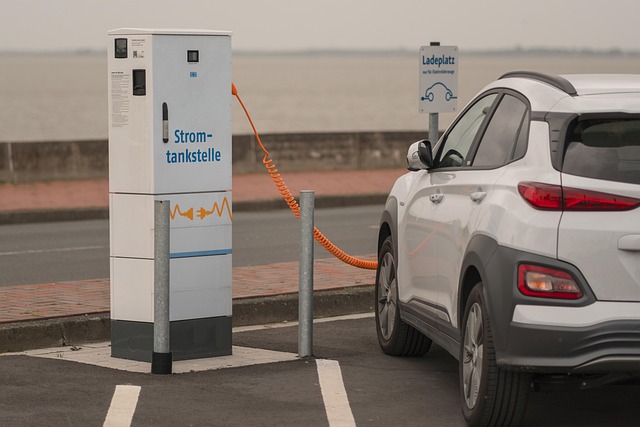
Market Dynamics Driving China’s EV Export Strategy
Government subsidies have long fueled China’s EV expansion. Policies such as purchase incentives and tax exemptions helped manufacturers scale rapidly. However, with domestic demand stabilizing, overcapacity has become a pressing issue. Automakers now look abroad to sustain growth. Competitive pricing—sometimes 20 to 30 percent lower than Western equivalents—has enabled Chinese brands to enter markets like Mexico and Canada more aggressively. These price advantages stem from economies of scale and vertically integrated battery supply chains.
Key Players in China’s Affordable EV Segment
BYD leads the charge with compact models that balance cost efficiency with acceptable range performance. SAIC’s MG brand has gained traction through its value-for-money positioning, while Chery targets younger buyers through small urban EVs. Strategic partnerships with distributors in North America have been key; for example, BYD collaborates with local importers in Mexico to streamline logistics and after-sales service networks. Smaller firms focus on ultra-low-cost city cars that fill mobility gaps in developing urban centers.
Trade Relations Between China, Mexico, and Canada in the EV Sector
The influx of inexpensive electric cars from China is redrawing trade maps across North America.
Shifts in Trade Patterns Driven by Electric Vehicle Exports
Mexico’s traditional role as an assembly hub for U.S.-bound vehicles is evolving. As Chinese firms establish distribution bases there, new supply routes bypass conventional U.S.-centric trade flows. Canada’s import portfolio is also diversifying; affordable Chinese EVs appeal to budget-conscious consumers seeking entry-level electrification options. This shift challenges established automakers that historically dominated cross-border trade under legacy agreements.
Regulatory Frameworks Affecting Cross-Border EV Trade
Trade under the USMCA framework complicates sourcing decisions since tariffs differ based on origin rules. Safety certifications and environmental compliance standards vary between Mexico and Canada, affecting how fast new entrants can scale distribution. For instance, Canadian regulators emphasize cold-weather battery testing, while Mexican authorities focus on emissions compliance during import registration processes.
Economic Implications for North American Automotive Markets
The arrival of low-cost Chinese EVs introduces both disruption and opportunity within North American manufacturing ecosystems.
Impact on Domestic Manufacturers and Supply Chains
Local automakers face mounting pressure to lower prices or expand their affordable product lines. Some may respond by forming joint ventures with Asian battery suppliers or adopting modular production systems to cut costs. Component suppliers must pivot toward electric drivetrains and energy storage technologies as combustion engine demand declines.
Employment and Industrial Policy Considerations
Import substitution could displace jobs tied to traditional vehicle assembly lines. Policymakers are increasingly discussing incentives for domestic EV production to counterbalance this trend. Workforce reskilling programs—particularly those focused on battery maintenance and software integration—are gaining traction across both Mexico and Canada as part of broader green transition strategies.
Consumer Adoption Trends in Mexico and Canada
Consumer behavior plays a decisive role in determining how fast inexpensive electric cars gain traction across North America.
Factors Influencing Market Acceptance of Chinese Electric Cars
Price sensitivity remains the leading driver for adoption among urban consumers who prioritize affordability over premium features. Still, brand reputation matters; some buyers hesitate due to concerns about reliability or parts availability. Charging infrastructure gaps persist, especially outside major cities, limiting broader uptake despite growing interest.
Comparative Analysis of Market Penetration Strategies
In Mexico, marketing campaigns highlight practicality—short-range commuting solutions at accessible prices. In contrast, Canadian promotions emphasize battery endurance under cold conditions and compatibility with national charging networks. Financing flexibility has also proven essential: installment plans and extended warranties build trust among first-time buyers unfamiliar with Chinese brands.
Geopolitical and Strategic Dimensions of the EV Trade Shift
The strategic implications extend beyond commerce into energy security and regional cooperation frameworks.
The Role of Energy Transition Policies in Shaping Trade Relations
Both Mexico and Canada have committed to decarbonization targets aligned with global climate agreements. These policies indirectly support higher EV adoption rates by offering tax credits or infrastructure subsidies. Bilateral cooperation around clean technology exchange could emerge as a stabilizing factor amid rising geopolitical competition over battery materials.
Long-Term Strategic Outlook for North American Integration
A more integrated regional supply chain could reduce reliance on imported components from Asia if local recycling systems mature. Collaboration on battery recovery technologies or lithium sourcing within the Americas would improve resilience against external shocks. Ultimately, competitiveness will hinge on balancing open trade with sustainable industrial development goals—a challenge that continues to evolve alongside technological progress.
FAQ
Q1: Why are Chinese electric vehicles cheaper than Western models?
A: They benefit from lower labor costs, extensive government support during early scaling phases, and vertically integrated supply chains that reduce component expenses.
Q2: How are these vehicles entering Mexico despite trade barriers?
A: Most arrive through direct import arrangements or partnerships with local distributors that manage homologation procedures under Mexican regulations.
Q3: Are Canadian consumers receptive to inexpensive Chinese EVs?
A: Interest is growing among cost-conscious buyers seeking second vehicles or commuter options, though brand trust still influences final purchase decisions.
Q4: What risks do domestic automakers face from this trend?
A: Increased price competition may erode profit margins unless local producers accelerate innovation or form alliances for shared technology platforms.
Q5: Could North America develop its own low-cost EV segment?
A: Yes, but it would require coordinated industrial policy support focusing on localized battery production, recycling infrastructure, and training programs for emerging technical roles.