

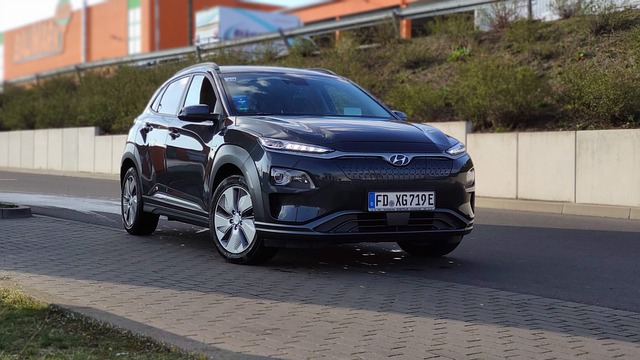

Fake Shifters in EVs Are Catching On Thanks to Hyundai
Hyundai is redefining the driving experience in electric mobility by introducing fake shifters in its EV lineup. This innovation bridges the gap between traditional internal combustion vehicles and modern electric drivetrains. By simulating gear changes and tactile feedback, Hyundai aims to restore a sense of mechanical engagement often lost in silent, single-speed EVs. The approach reflects both engineering ingenuity and psychological insight, suggesting that the future of electric driving may not abandon familiar sensations but reinterpret them through digital precision.
The Emergence of Fake Shifters in Hyundai EV Cars
Electric vehicles have long faced criticism for their lack of visceral engagement. Hyundai’s exploration into simulated gear shifting addresses this by reintroducing a physical rhythm to acceleration and deceleration.
Simulated Gear Shifting in Electric Vehicles
Fake shifters replicate the tactile response of conventional transmissions through electronically controlled feedback systems. Instead of actual gear ratios, the system manipulates torque delivery to mimic the sensation of shifting. This involves precise control of motor output and regenerative braking, coordinated with haptic cues from the shifter or paddles.
Engineering Rationale Behind Simulated Gear Mechanisms
From an engineering standpoint, these systems exist to enhance driver connection rather than performance efficiency. Electric motors deliver instant torque, making real gear changes unnecessary. However, engineers found that drivers accustomed to multi-gear vehicles perceive continuous acceleration as less engaging. Simulated shifts introduce rhythmic interruptions that feel more “natural,” improving perceived control and comfort.
Interaction with Power Electronics and Drive-by-Wire Technology
Simulated shifting depends on drive-by-wire systems that translate driver inputs into electronic signals. The vehicle’s power electronics interpret these signals to adjust motor torque curves dynamically. This coordination between software algorithms and hardware actuators forms the foundation for creating realistic mechanical sensations without any physical transmission components.
Hyundai’s Approach to Integrating Fake Shifters in Its EV Lineup
Hyundai’s strategy goes beyond imitation; it seeks emotional continuity between gasoline-powered cars and their electric successors.
Design Philosophy Behind Artificial Shifting Sensations
The company views tactile realism as essential for brand identity. Rather than reducing driving to silent efficiency, Hyundai emphasizes sensory involvement. Its design teams aim for an experience where sound synthesis, haptic feedback, and visual cues align seamlessly—each reinforcing the illusion of mechanical motion.
Technical Architecture Enabling Simulated Gear Changes
Hyundai’s implementation relies on integrated control units linking motor management software with haptic modules embedded in the shifter assembly. These modules create resistance or vibration timed precisely with virtual shift points. The result is a synchronized blend of auditory and physical cues that replicate traditional drivetrain dynamics within an all-electric context.
Differentiation Through Driver Engagement Features
By embedding such systems, Hyundai distinguishes itself from minimalist EV competitors who prioritize simplicity over emotion. The company positions its models as technologically advanced yet emotionally intuitive—appealing to drivers transitioning from high-performance ICE vehicles who still crave interactive control.
Psychological and Sensory Aspects of Driving Feel
Beyond hardware innovation lies a deeper psychological dimension: how humans interpret movement through touch and sound.
The Role of Tactile Feedback in Driver Engagement
Human perception strongly associates tactile resistance with control authority. In ICE cars, clutch engagement or gear lever feedback reinforces confidence during maneuvers. Modern EVs often remove these signals, creating a sensory vacuum that can reduce driver satisfaction. Simulated tactile responses help restore this missing communication channel between machine and operator.
Comparison Between ICE Vehicles and Modern EVs
While ICE cars provide layered auditory and vibrational cues from engines and transmissions, EVs operate with near-silent smoothness. This quietness appeals to some but feels sterile to others accustomed to mechanical drama. Fake shifters reintroduce small interruptions—vibrations or resistance—that remind drivers they’re actively influencing vehicle behavior rather than simply commanding software.
User Adaptation to Simulated Tactile Responses
Studies show most drivers quickly adapt to artificial feedback if it aligns logically with vehicle motion cues. When well-calibrated, these digital sensations can even surpass mechanical ones in consistency and precision, offering a refined yet emotionally engaging experience without compromising efficiency.
Bridging Emotional Connection Through Simulated Mechanics
Emotionally resonant driving experiences depend on more than speed—they hinge on sensory storytelling crafted through motion feedback.
Influence on Driver Satisfaction and Perceived Control
Artificial shifting gives drivers a tangible sense of rhythm during acceleration phases, enhancing immersion. It turns linear torque delivery into a narrative sequence—anticipation, shift, release—that mirrors human expectations built over decades of motoring culture.
Balancing Authenticity and Innovation
The challenge lies in maintaining authenticity while embracing digital abstraction. Overly exaggerated effects risk feeling gimmicky; too subtle ones may go unnoticed. Hyundai’s approach finds equilibrium by tuning feedback intensity according to drive mode selection—sport modes amplify sensations while eco modes remain smooth.
Brand Identity and Customer Loyalty Implications
For Hyundai EV cars, such innovations reinforce a performance-oriented image while nurturing loyalty among enthusiasts reluctant to abandon traditional driving pleasures. This emotional continuity could prove pivotal as electrification reshapes automotive branding strategies globally.
Technical Implementation and System Architecture
Behind every simulated shift lies complex coordination between sensors, actuators, and software logic designed for seamless realism.
Integration with Electric Powertrain Control Systems
Software algorithms calculate virtual torque curves replicating multi-gear behavior patterns found in combustion engines. Each “shift” corresponds to programmed torque modulation synchronized with throttle input timing. Haptic devices then provide physical confirmation through brief pulses or resistance changes at each transition point.
Synchronization Between Motor Output Modulation and Haptic Feedback Devices
Precise synchronization prevents perceptual lag between visual speed changes on the display cluster and tactile sensations felt by the driver’s hand or foot pedals. This harmony ensures credibility—the brain interprets consistent stimuli as genuine mechanical interaction rather than simulation trickery.
Regenerative Braking Calibration Enhancing Gear Transition Illusion
Regenerative braking plays a subtle yet crucial role by shaping deceleration profiles that mimic downshifts’ engine braking effect. Adjusting regeneration intensity during simulated downshifts deepens realism while recovering energy efficiently—a fusion of theatrics and practicality rarely achieved before now.
Hardware Components Supporting the Fake Shifter Experience
Physical elements anchor digital illusions into tangible reality within Hyundai’s EV interiors.
Haptic Feedback Modules
These modules use compact electric motors or piezo actuators generating micro-vibrations or resistance when drivers initiate shifts. Their calibration defines how “mechanical” each transition feels—firm for sporty settings or soft for comfort modes—allowing nuanced personalization across models like Ioniq 5 N or future performance variants.
Drive Mode Selectors and Paddle Interfaces
Customizable interfaces let users toggle between authentic one-pedal EV operation or simulated multi-gear behavior via steering paddles or console selectors. Such flexibility acknowledges diverse driver preferences—from purists seeking silence to enthusiasts craving engagement—without altering core drivetrain architecture.
Market Implications for Hyundai and the Broader EV Industry
This initiative carries strategic weight far beyond novelty; it reshapes how automakers compete on emotional value rather than raw specifications.
Competitive Differentiation Through Driving Feel Innovation
While many rivals emphasize minimalism reminiscent of consumer electronics design, Hyundai bets on experiential richness as differentiation currency. By merging advanced electronics with sensory craftsmanship, it positions its EVs as emotionally intelligent machines appealing equally to rational buyers and passionate drivers alike.
Influence on Future Product Development Across Industry
If consumer response remains positive, other manufacturers may follow suit—potentially sparking an industry-wide trend toward customizable digital tactility similar to adaptive suspension tuning today.
Consumer Reception and Behavioral Insights
Early adopters report increased enjoyment during spirited driving sessions thanks to renewed interaction layers absent in typical single-speed setups. Expert drivers particularly appreciate how perceived realism correlates strongly with sustained satisfaction over time—a promising indicator for broader acceptance across segments.
Future Directions in Simulated Driving Dynamics for EVs
Technological evolution suggests fake shifters are merely an entry point toward fully adaptive sensory ecosystems inside future vehicles.
Evolution Toward Adaptive AI-Based Feedback Systems
Machine learning could soon analyze driver inputs continuously—adjusting shift timing or vibration strength based on behavioral data patterns—to deliver bespoke tactile profiles unique to each user’s style preferences within connected car networks updating parameters remotely as conditions evolve.
Broader Implications for Automotive Design Philosophy
As mechanical authenticity fades from necessity, experiential authenticity becomes design’s new frontier: crafting believable sensations through code rather than gears may define next-generation mobility aesthetics blending human-machine interaction research with emotional ergonomics at scale.
FAQ
Q1: Why did Hyundai introduce fake shifters in its EVs?
A: To recreate familiar mechanical sensations lost in single-speed electric drivetrains while enhancing driver engagement through tactile realism.
Q2: Do fake shifters affect vehicle performance?
A: No measurable impact occurs; they modify perception via software-controlled torque modulation without changing actual power delivery efficiency.
Q3: Can drivers disable simulated shifting?
A: Yes, most models allow toggling between pure electric response modes or simulated gear behavior depending on preference using drive mode selectors or paddles.
Q4: How do fake shifters interact with regenerative braking?
A: They synchronize deceleration feel by adjusting regeneration intensity during virtual downshifts to emulate engine braking smoothly while conserving energy recovery rates effectively.
Q5: Will other brands adopt similar technology?
A: Given growing interest in emotional UX within electrified mobility sectors worldwide, it is likely more automakers will explore comparable solutions soon.



