
Beware of Cleaning Photovoltaic Panels with Dishwashing Detergent
Keeping solar panels clean is essential, but using dishwashing detergent is a mistake that can cost efficiency and warranty coverage. Household detergents contain chemicals that harm the anti-reflective coating and attract more dust afterward. Commercial solar panel cleaning uses neutral pH, non-abrasive solutions designed for photovoltaic glass. The right cleaning method preserves energy yield, protects surface coatings, and ensures long-term reliability of the solar system.
Understanding the Importance of Proper Solar Panel Cleaning
Solar panels are constantly exposed to environmental contaminants that gradually reduce their performance. Proper cleaning is not just about aesthetics; it’s a technical maintenance task tied directly to power generation efficiency.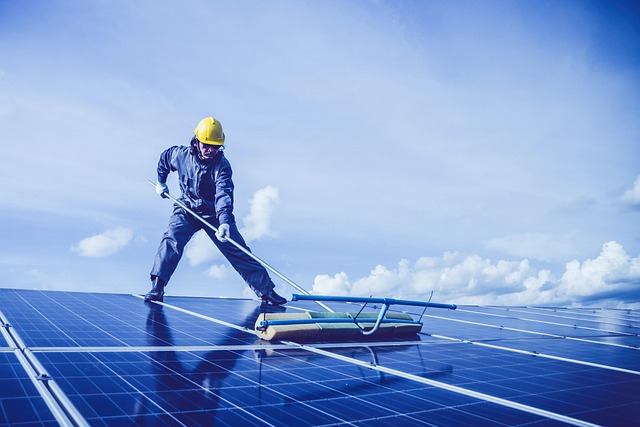
The Impact of Contaminants on Photovoltaic Efficiency
Dust, pollen, and bird droppings form a thin film that blocks sunlight from reaching the photovoltaic cells. Even a few grams of accumulated dust per square meter can lower energy output by several percent. Over time, grime increases surface temperature, which raises resistance in cell circuits and reduces conversion efficiency. Regular cleaning helps maintain consistent production levels and extends panel lifespan by preventing thermal stress.
Why Cleaning Methods Matter for Solar System Performance
Cleaning methods determine whether the process enhances or damages system performance. Using harsh detergents or abrasive sponges can scratch or dull the anti-reflective coating that boosts light absorption. Residues left behind create micro-shading zones that cause hotspots, leading to premature cell degradation. Professional cleaning services employ soft-bristle tools and purified water systems to restore full optical clarity without leaving chemical traces.
Comparing Commercial Solar Panel Cleaning and Dishwashing Detergent Use
Choosing between professional-grade cleaners and household detergents has implications for both performance and material safety. What seems like a simple cost-saving measure can turn into an expensive mistake.
Composition Differences Between Professional Cleaners and Household Detergents
Commercial solar cleaners are formulated with neutral pH levels to avoid reacting with glass coatings or aluminum frames. They contain biodegradable agents that lift dirt without leaving residues. In contrast, dishwashing detergents include surfactants, salts, and fragrances meant for grease removal on ceramics, not photovoltaic glass. These chemicals can corrode metallic edges or weaken sealants over time. Moreover, detergent residues attract airborne dust particles faster than untreated surfaces.
Surface Interaction and Material Safety Considerations
Professional cleaning agents reduce electrostatic buildup on glass surfaces, which helps repel future dust accumulation. Detergent-based methods often have the opposite effect: they etch microscopic scratches into coatings, dulling transparency after repeated use. Once this protective layer is compromised, light transmission drops permanently. Manufacturers often specify in warranty terms that only approved cleaning products should be used; otherwise, coverage may be voided due to improper maintenance practices.
Safety Aspects of Commercial Solar Panel Cleaning Practices
Safety extends beyond chemical selection—it encompasses worker protection and environmental responsibility during maintenance operations.
Worker Safety Protocols in Professional Cleaning Operations
Trained technicians follow strict height safety standards set by occupational authorities such as OSHA or ISO 45001 frameworks. Before cleaning begins, systems are electrically isolated to prevent shock hazards. Deionized water systems lower conductivity risk when spraying near live circuits. Technicians use telescopic poles fitted with soft brushes to avoid direct pressure on panels while maintaining ergonomic control at height.
Environmental and Operational Safety Benefits
Eco-friendly commercial products minimize chemical runoff into soil or drainage systems around installations. Controlled water flow through filtration units limits waste while maintaining effective rinsing action. Many service providers align with environmental management standards like ISO 14001 to document sustainable practices during routine maintenance.
Technical Evaluation of Cleaning Effectiveness
Evaluating cleaning results requires more than visual inspection; data-driven metrics confirm whether performance gains justify operational costs.
Measuring Efficiency Gains After Professional Cleaning
Technicians often monitor inverter readings before and after cleaning to quantify energy yield improvement—typically between 5% and 15% depending on contamination level. Infrared thermography detects residual dirt spots or hotspots that may still obstruct light flow across modules. Over time, these measurements feed predictive models that schedule optimal maintenance intervals based on actual performance data rather than fixed calendars.
The Role of Water Purity in Cleaning Outcomes
Water quality significantly affects final results. Deionized or distilled water prevents mineral spotting when it evaporates under sunlight, preserving optical clarity across the panel array. Using tap water mixed with detergent leaves streaks or calcium deposits that reduce transmission efficiency by scattering incoming light rays. Large-scale commercial operations employ automated filtration systems ensuring consistent purity for every wash cycle across multiple sites.
Maintenance Strategies for Long-Term System Health
Long-term solar asset management depends on preventive scheduling and qualified service partners who understand both mechanical integrity and electrical behavior of PV arrays.
Developing a Preventive Cleaning Schedule for Commercial Installations
Cleaning frequency varies with environment—desert regions may require monthly service due to high dust loads while urban rooftops may need quarterly care depending on air quality index (AQI). Remote monitoring software tracks power output trends to identify when dirt accumulation begins affecting yield noticeably. Integrating these insights into predictive maintenance platforms streamlines operations across large portfolios of commercial solar assets.
Selecting Certified Service Providers for Commercial Systems
Certified providers demonstrate compliance with manufacturer recommendations and industry certifications such as IEC 62446 for system testing procedures. Insurance coverage protects asset owners from liability during high-access work at elevated sites. Documented service reports also serve as proof during warranty claims or financial audits verifying adherence to operational guidelines.
Evaluating Cost Efficiency Between DIY and Commercial Cleaning Approaches
At first glance, do-it-yourself cleaning using household detergent seems cheaper but rarely accounts for hidden costs associated with damage or reduced efficiency.
Financial Implications of Using Non-Specialized Products Like Detergents
Dishwashing detergents may save money short term but degrade coatings over repeated cycles, lowering energy yield permanently by up to several percent annually. Once damage occurs, replacing affected modules far outweighs any initial savings from skipping professional service fees. Additionally, most manufacturers void warranties if unauthorized chemicals are used during maintenance—leaving owners fully liable for repair costs.
Value Proposition of Professional Solar Panel Cleaning Services
Professional services deliver predictable costs through scheduled contracts covering labor, equipment, insurance, and compliance documentation. Consistent cleanliness improves reliability forecasts critical for investors relying on stable output projections from solar farms or corporate installations. Detailed post-service reports provide transparency showing measurable ROI improvements linked directly to proper commercial solar panel cleaning practices.
FAQ
Q1: Can dishwashing detergent really harm photovoltaic panels?
A: Yes, dishwashing detergents contain salts and surfactants that erode anti-reflective coatings over time and attract more dust afterward.
Q2: How often should commercial panels be cleaned?
A: Frequency depends on site conditions; typically every two to four months in dusty areas or twice yearly in moderate climates where rainfall assists natural rinsing.
Q3: Is deionized water necessary for all cleanings?
A: It’s strongly recommended because it prevents mineral residue formation that reduces light transmission efficiency after drying under sunlight.
Q4: Do professional cleaners use any chemicals?
A: Most rely on biodegradable neutral-pH agents specifically designed for photovoltaic glass combined with purified water systems rather than harsh solvents or soaps.
Q5: Does improper cleaning void manufacturer warranties?
A: Yes, many manufacturers explicitly state in warranty terms that using unapproved chemicals like household detergents constitutes misuse leading to loss of coverage rights.