
Is Wind Energy Still the Best Renewable Power Choice in 2026?

Wind energy is no longer a small clean power choice. For buyers, developers, and energy users, it is now a workable way to cut fuel risk, add steady generation, and improve the power mix.


Wind energy is no longer a small clean power choice. For buyers, developers, and energy users, it is now a workable way to cut fuel risk, add steady generation, and improve the power mix.
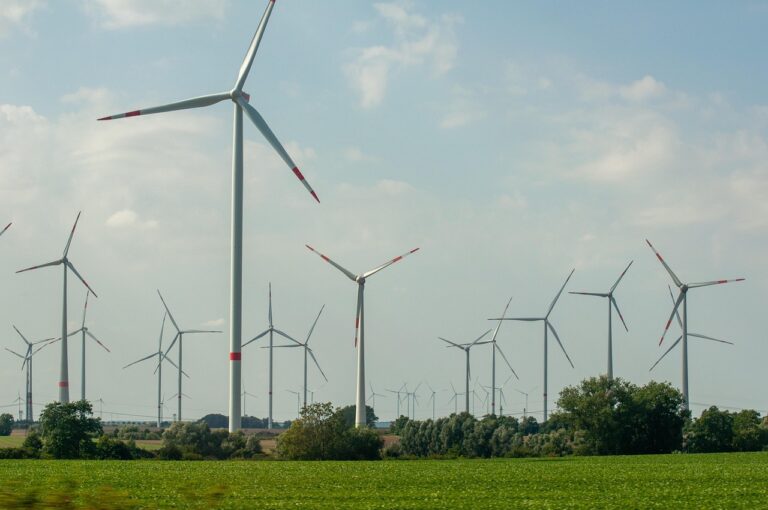
A practical guide for energy buyers comparing wind power, solar, and gas in 2026, with market data, cost signals, and project risk checks.
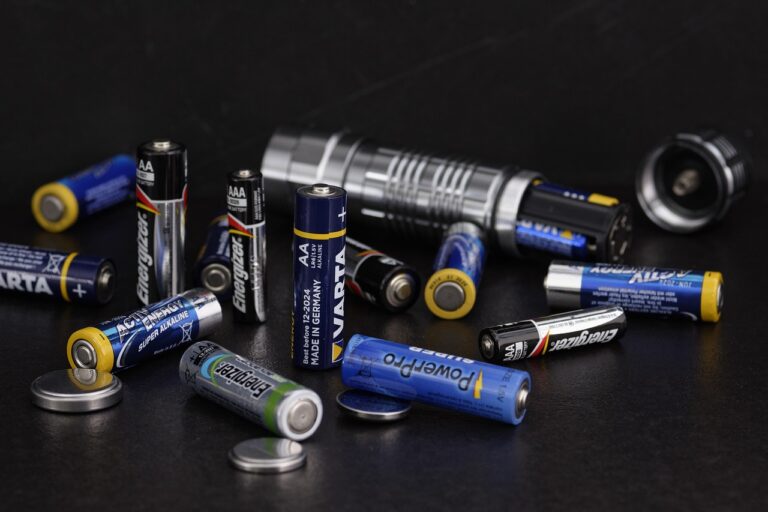
See how an energy storage solution can shift solar power, lower peak demand, add backup capacity, and give commercial and utility projects more usable power.
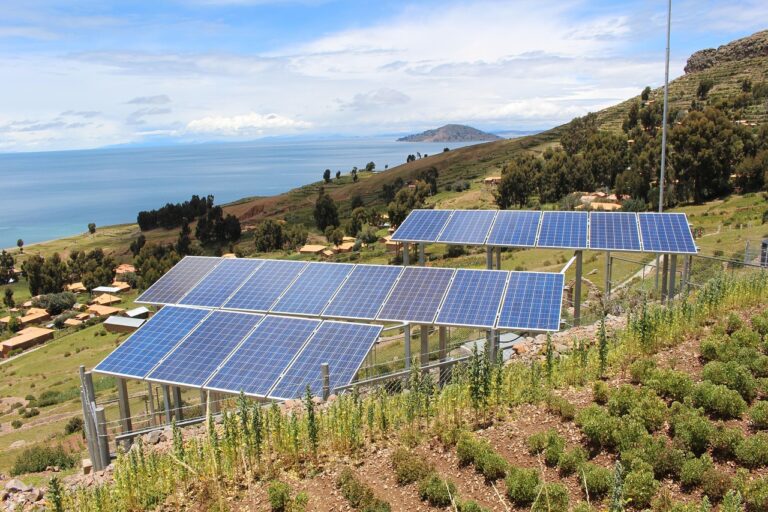
A buyer-focused guide to comparing solar panels by price, quality, site fit, supplier checks, and long-term output.
Ion storage systems are now a working option for renewable power, commercial backup, and grid support. This article looks at chemistry, cost, safety, and project value from a buyer’s point of view.
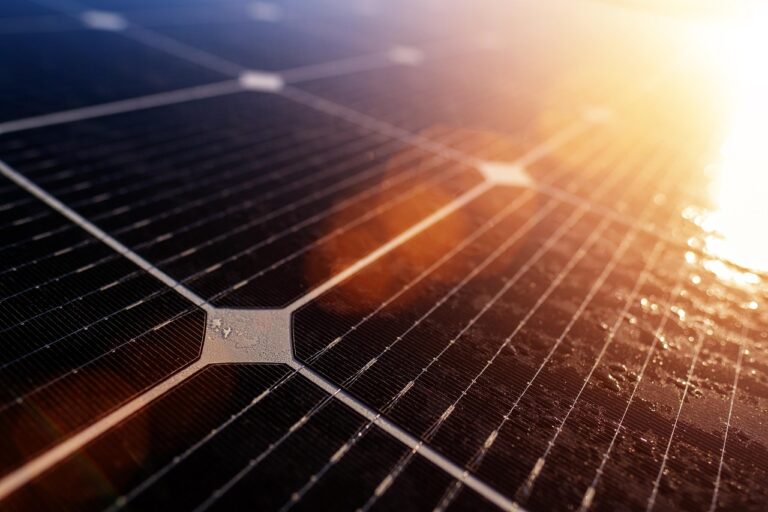
Solar power is now a common power option for homes and business sites. This guide looks at cost, storage, lifespan, maintenance, and buying checks, using public data from IEA, IRENA, EPA, DOE, and NREL.
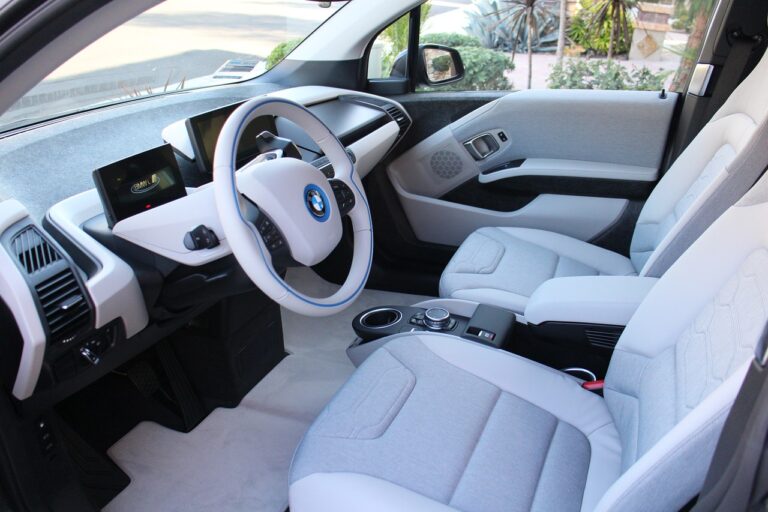
Upcoming EVs are not only show cars or high-end projects now. This guide looks at current market data and real model examples, so buyers can see which launches are worth tracking.
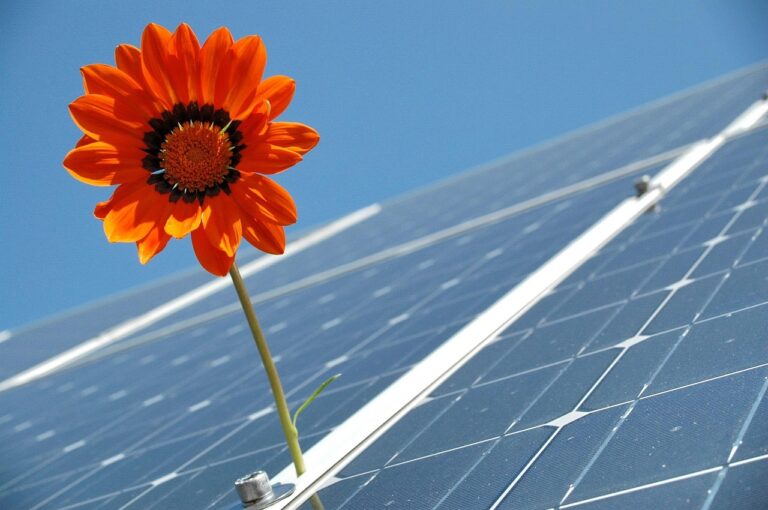
A practical guide to renewable energy systems for business buyers, with notes on solar, wind, storage, costs, resilience, and supplier selection using public market data.
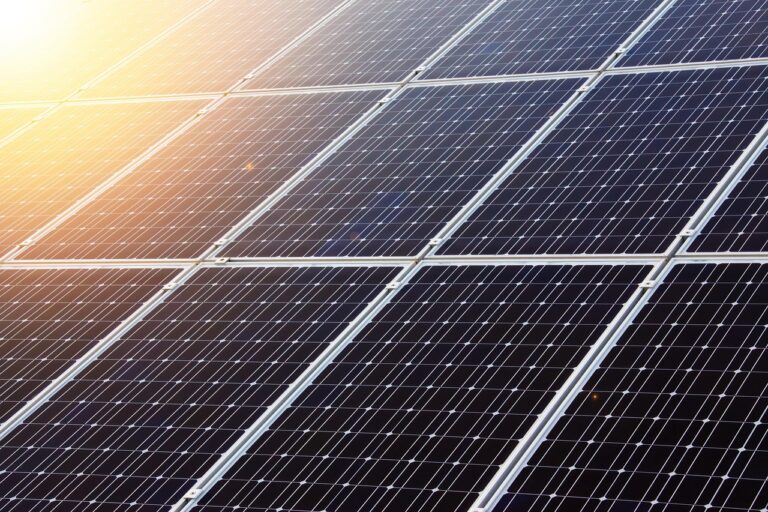
Clean energy fuels are now part of normal energy planning for fleets, factories, and export companies. This article looks at where electricity, biofuels, and hydrogen make sense, using public data and checks buyers can use before they commit.

A practical guide to choosing a wind turbine by site conditions, power output, project cost, grid needs, and service risk over the operating life.



