

The short answer for homeowners in 2026
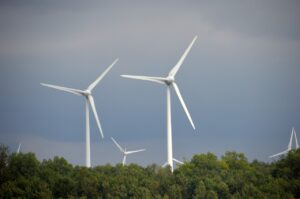
Wind turbines for home use can reduce electricity purchases, but only under the right conditions: a strong and clean wind resource, enough land, permissive zoning and a payback case based on realistic annual energy production. For many suburban homes, a small roof-mounted turbine is unlikely to supply a meaningful share of yearly electricity use. For a rural home, farm or off-grid property with open exposure, a properly installed tower-mounted system may be a practical option.
The 2026 decision also needs extra care because IRS instructions for the Residential Clean Energy Credit state that residential clean energy credits cannot be claimed for expenditures made after December 31, 2025. That makes local wind quality, utility interconnection rules and installed cost more important than promotional power ratings. For related wind energy background, visit our wind energy section.
What counts as a home wind turbine
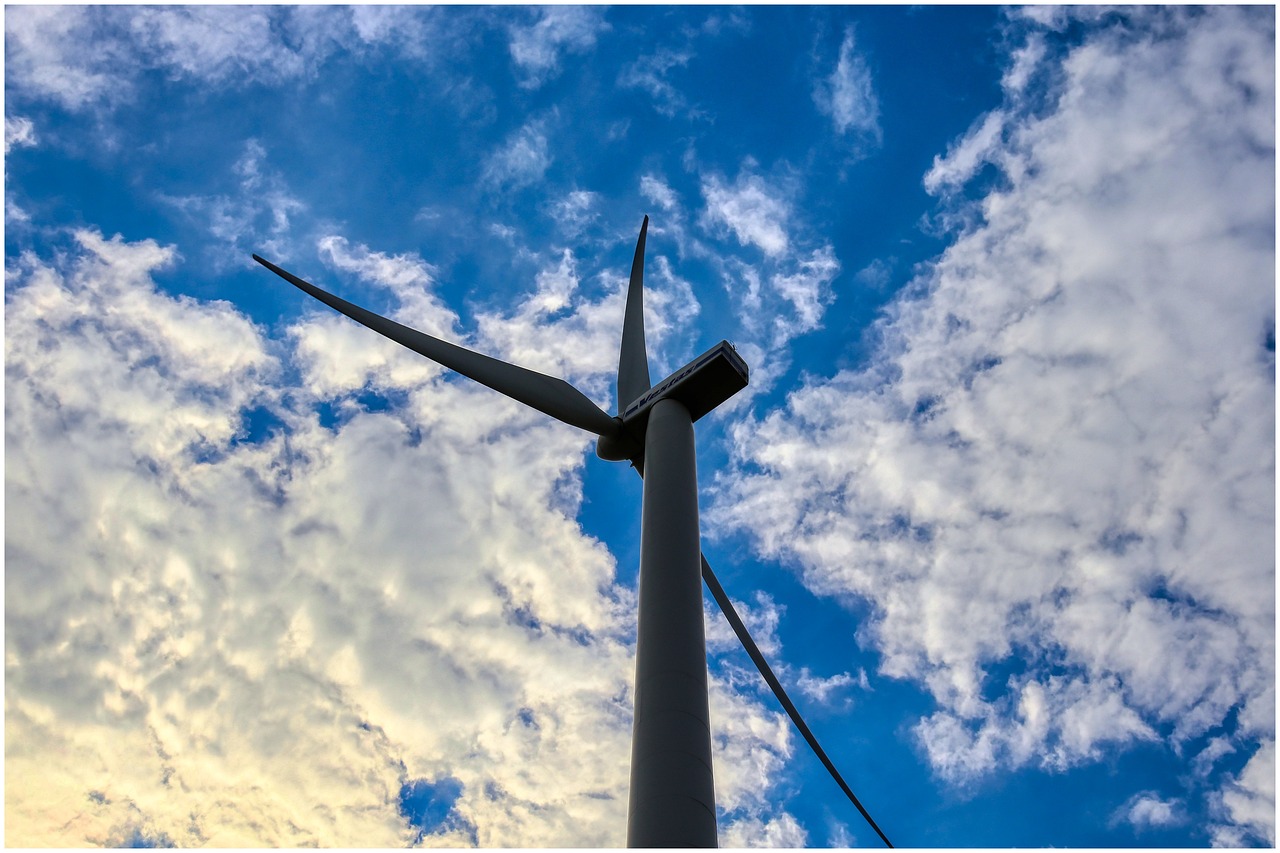
A residential wind turbine is a distributed wind system that generates electricity at or near the place where the power is used. It may be grid-connected, used in an off-grid system with batteries, or paired with solar and backup generation. The U.S. Department of Energy’s WINDExchange small wind materials describe residential turbine sizes from hundreds of watts to much larger systems for very large loads. For most homeowners, however, the important question is not nameplate size. It is whether the system can produce useful annual kilowatt-hours at the actual site.
Rated capacity and annual output are not the same thing. A 5 kW turbine does not produce 5 kW all day. Output depends on wind speed, rotor size, tower height, air density, equipment availability and the turbine’s power curve. A small portable turbine may charge batteries in specific conditions, while a professionally installed home wind system is a structural, electrical and permitting project. It should be evaluated more like a small power plant than a household appliance.
Site quality is the first pass or fail
Wind speed and tower height
The DOE Small Wind Guidebook points homeowners toward sites with a good wind resource, at least about one acre of land and local rules that allow turbines. It also identifies average annual wind speed as a key threshold. For grid-connected small wind, DOE guidance commonly uses an average annual wind speed of at least 10 mph as a starting point. Off-grid projects may be considered at somewhat lower speeds when grid extension is expensive, but the economics still depend on useful annual energy output.
The reason is basic physics. Wind power rises with the cube of wind speed, so a modest increase in wind speed can create a much larger increase in available power. Tower height and clean exposure therefore matter. DOE guidance uses a practical rule of thumb: the bottom of the rotor blades should be at least 30 feet above nearby obstacles within the relevant horizontal distance. Trees, houses, barns and future building plans can all create turbulence and wind shadow. A turbine placed in turbulent air may be noisy, mechanically stressed and underproductive even if the wider region is windy.
Permits, setbacks and neighbors
Before comparing turbine models, homeowners should ask the local authority having jurisdiction about height limits, setbacks, sound rules, building permits, electrical permits and any public hearing requirements. Covenants and homeowner association rules can be just as important as municipal zoning. A guyed tower also needs space for guy wires and maintenance access. If a variance is required, the project may become slower, more expensive and less certain.
Noise and visual impact should be addressed early. Certified sound data can help, but neighbors will experience the system in a real landscape, not in a laboratory. A capable installer should be willing to discuss prevailing wind direction, tower location, emergency access and how the turbine will be lowered or serviced.
Sizing should start with annual electricity use
Start with the home’s annual kilowatt-hour use, not with the biggest turbine in a brochure. In the November 2026 Short-Term Energy Outlook, the U.S. Energy Information Administration listed average residential electricity usage per customer for 2026 at 10,597 kWh. Actual homes vary widely because of climate, heating fuel, air conditioning, electric vehicles, insulation and household size. Utility bills are a better sizing input than any national average.
DOE guidance says that, depending on average wind speed, a turbine rated around 5 kW to 15 kW may be required to make a significant contribution to a typical home’s electricity demand. The same guide gives an example in which a 1.5 kW turbine can meet the needs of a home using 300 kWh per month at a site with a 14 mph annual average wind speed. That example should not be copied directly; it shows how strongly performance depends on the wind resource.
| Planning question | What to verify | Why it matters |
|---|---|---|
| How much electricity do you use? | At least 12 months of utility bills | Annual kWh demand sets the production target |
| How windy is the site? | Hub-height estimates or on-site measurement | Small changes in wind speed strongly affect output |
| How high can the tower be? | Zoning limits, setbacks and obstacle clearance | A taller, cleaner wind path often produces more energy |
| How will excess power be credited? | Utility net metering or interconnection terms | The value of exported electricity affects payback |
| Who maintains the system? | Installer support, parts availability and service schedule | Downtime reduces annual energy and savings |
Costs and incentives in 2026
Installed cost is difficult to generalize because a residential wind project can include the turbine, tower, foundation, wiring, inverter or controller, batteries if used, permitting, engineering, crane work, utility interconnection and ongoing maintenance. Pacific Northwest National Laboratory’s 2024 distributed wind report found an overall capacity-weighted installed cost of $11,410 per kW for new small wind projects from 2014 through 2023. For the limited set of five reported 2023 small wind projects, PNNL reported an average of $7,370 per kW, but the small sample size means homeowners should not treat that figure as a firm quote.
Electricity prices affect the value of production. In the November 2026 Short-Term Energy Outlook, EIA listed an estimated average U.S. residential electricity price of 18.17 cents per kWh for 2026. A homeowner paying high retail rates may value on-site generation more than one paying low rates, but the value of exported power depends on the local utility tariff. Net metering, avoided-cost crediting, fixed charges and interconnection fees can change the economics materially.
The federal tax picture should be checked carefully. IRS Form 5695 instructions for 2025 state that the residential clean energy credit rate was 30% for qualifying property placed in service from 2022 through 2025, but also state that residential clean energy credits cannot be claimed for expenditures made after December 31, 2025. In 2026, homeowners should not assume a federal residential small wind credit is available for a new purchase. State, utility, agricultural or rural business programs may still exist in some places, but they should be confirmed directly before signing a contract.
Equipment quality and installer evaluation
For small wind, independent certification matters because the market includes products with very different levels of testing. PNNL’s small wind turbine certification tracker, updated as part of its distributed wind technology data work, tracks models certified to standards such as ANSI/ACP 101-1-2021, AWEA 9.1-2009 and IEC 61400 standards. As of July 2026, that tracker listed certified small turbine models with certified power ratings ranging from very small units to models above 20 kW.
Certification does not replace project due diligence. Ask whether the certification covers performance, durability, acoustics and structural requirements for the turbine itself. Then ask separately about the tower, foundation, electrical safety listing, inverter compatibility, braking or overspeed protection, lightning protection and disconnects required by the utility or electrical inspector. A reputable installer should provide expected annual energy production at your hub height, not just a rated output at a high reference wind speed.
Be cautious with rooftop turbines marketed as easy home upgrades. Rooflines are often turbulent, and buildings can transmit vibration and noise. A tower in clean wind is usually the more serious design for meaningful home production, although it requires more land, permitting and budget. The practical question is not whether the turbine spins; it is whether it produces enough dependable annual energy to justify the installed system cost.
Home wind compared with solar, batteries and efficiency
Home wind is not automatically better or worse than rooftop solar. It is site-specific. Solar often fits smaller lots and has a more standardized installation process. Wind can be attractive where the resource is strong, especially on open rural land, coastal exposure, ridgelines or farms with winter and nighttime wind patterns that complement solar production. In off-grid systems, wind can reduce generator runtime if the resource is good during periods when solar is weak.
Energy efficiency should still come first. Reducing annual load through insulation, efficient appliances, lighting, controls and heat pump optimization can shrink the required turbine size. Because small wind projects have fixed costs for permitting, foundations, towers and interconnection, oversizing to cover avoidable loads can hurt the economics. A better sequence is to reduce demand, measure or model wind, check rules, and then size the system around realistic annual production.
A practical pre-installation checklist
- Collect at least 12 months of electricity bills and identify seasonal peaks.
- Screen the site for open exposure, prevailing wind direction, trees, buildings and future obstructions.
- Confirm zoning, setbacks, height limits, covenants and permitting steps in writing.
- Ask the utility for interconnection and crediting rules before buying equipment.
- Request annual energy estimates based on hub height and local wind assumptions.
- Choose certified turbine models where possible and verify what the certification covers.
- Ask for a complete installed-cost quote, including foundation, tower, electrical work, crane work and maintenance.
- Check current state, utility or rural incentive programs before calculating payback.
- Confirm who will service the turbine and how quickly parts can be obtained.
- Compare the project with efficiency, solar and storage options using the same annual kWh and cost assumptions.
Frequently asked questions
Can a home wind turbine power an entire house?
Sometimes, but only on the right site. A rural property with strong average wind, adequate tower height and reasonable electricity demand may cover a large share of annual use. A low-wind suburban property usually cannot. The installer should provide an annual energy estimate in kWh and explain the assumptions behind it.
How big should a wind turbine for home use be?
Many meaningful residential systems fall in the 5 kW to 15 kW range, but the correct size depends on annual electricity use and wind resource. Smaller turbines can support batteries, cabins, telecom loads or partial home loads. Bigger is not always better if the site is turbulent, permits are limited or exported power has low value.
Are rooftop wind turbines worth it?
They may be useful for niche battery-charging applications, but they are often a poor choice for whole-home electricity production. Roofs usually sit in turbulent air, and vibration, sound and structural issues can add cost. For serious residential wind production, a properly sited tower is usually the design to evaluate first.
Do U.S. homeowners still get a federal small wind tax credit in 2026?
Homeowners should not assume a new federal residential credit is available in 2026. IRS instructions for 2025 state that residential clean energy credits cannot be claimed for expenditures made after December 31, 2025. Because tax rules can be technical and situation-specific, homeowners should confirm treatment with a qualified tax adviser.
What should I ask an installer before signing?
Ask for the turbine’s certified data, expected annual kWh at your site, tower height, setback plan, utility interconnection path, full installed cost, maintenance schedule, warranty terms, expected downtime and removal plan. If the installer cannot explain wind assumptions and annual energy output clearly, keep looking.