
Why wind turbine renewable energy matters now
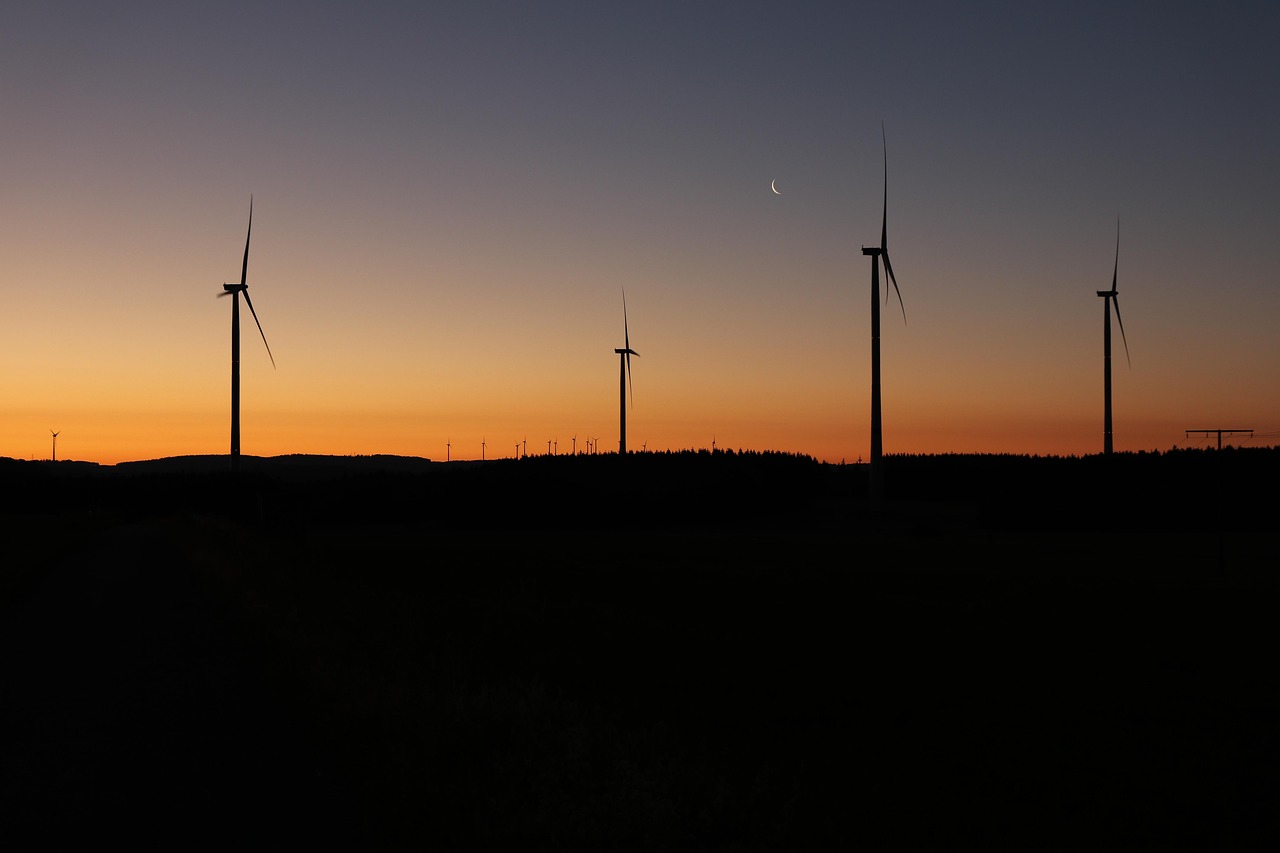
Wind turbine renewable energy has moved from a niche clean power option into the planning mainstream for electricity systems. A turbine converts moving air into electricity without burning fuel, so its core value is low-emission power from a naturally replenished resource. The practical question is no longer whether wind can generate meaningful electricity. It already does. The harder question is how turbines should be planned, connected and operated so they add reliable capacity without creating new grid bottlenecks.
The public data available through 2026 shows both momentum and limits. The International Energy Agency reported that wind supplied about 8% of global electricity in 2024, while the Global Wind Energy Council reported 117 GW of new wind capacity installed that year. Costs remain competitive for many onshore projects, but deployment is increasingly shaped by transmission queues, permitting, wildlife considerations and offshore cost pressure. For more sector updates, visit our wind energy coverage.
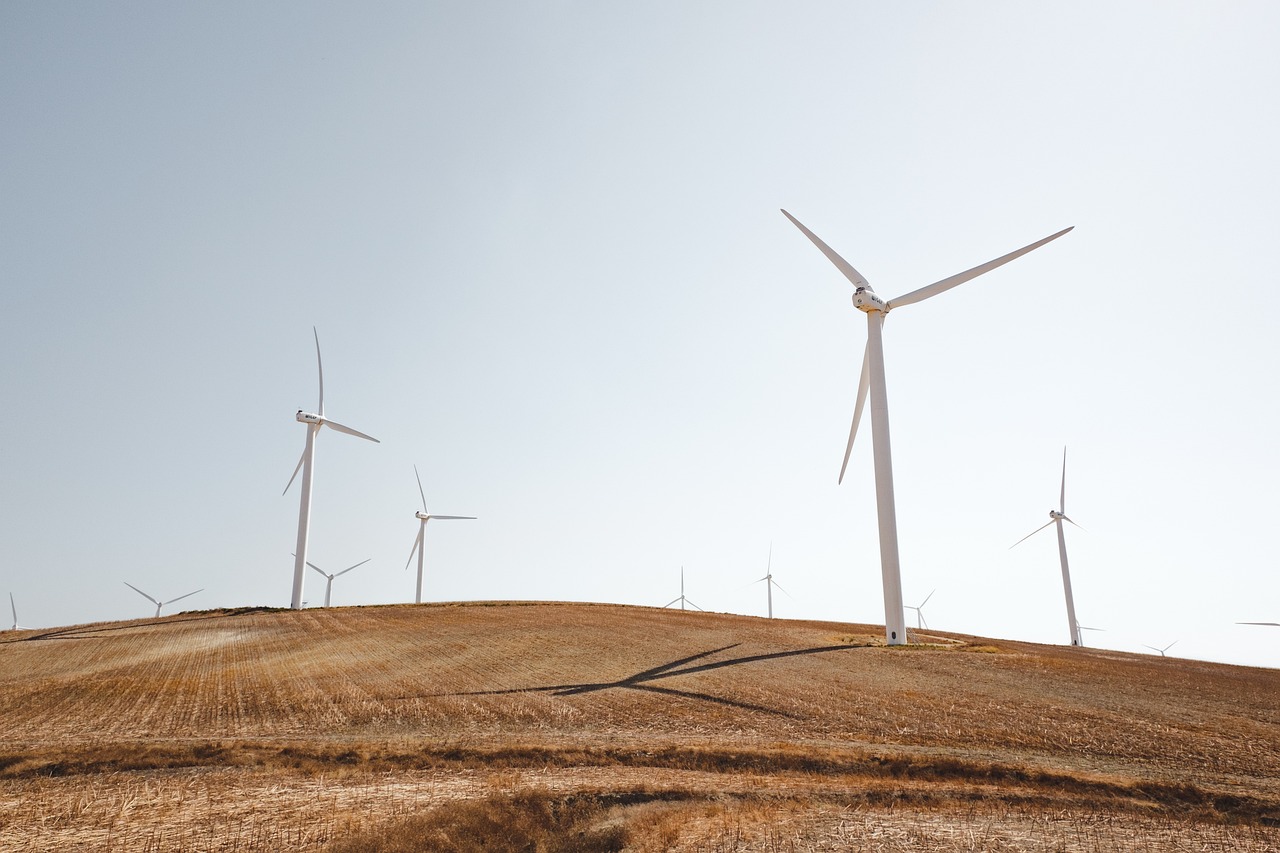
How a wind turbine turns wind into electricity
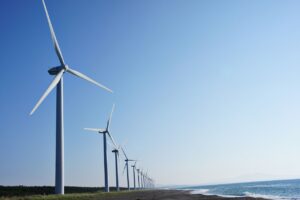
A wind turbine is a conversion machine. Wind is created by uneven heating of the atmosphere, the earth’s rotation and surface differences such as land, water and terrain. When moving air passes over the blades, their shape creates lift, similar to an aircraft wing. That lift turns the rotor. The rotor transfers mechanical rotation through a shaft and either a gearbox or a direct-drive system to a generator, where electricity is produced.
Most utility-scale machines are horizontal-axis turbines with three blades mounted upwind of the tower. Sensors and controls yaw the nacelle so the rotor faces the wind, adjust blade pitch to manage speed and output, and shut the turbine down when wind conditions are unsafe. The electricity then passes through power electronics, transformers and collection systems before it reaches a substation and the wider grid.
The chain is simple in principle but highly engineered in practice. Blade length, tower height, control software, generator type, site wind speed and grid conditions all influence annual energy production. Two turbines with the same nameplate rating can therefore deliver very different real-world output at different sites.
Where wind fits in the renewable energy mix
Wind is one of several renewable electricity sources, but it plays a distinct role in the power mix. Solar output is strongest during daylight hours, hydropower depends on water availability and reservoir management, and geothermal or bioenergy output is more site-specific. Wind can often produce strongly at night and in colder seasons, making it a useful complement to solar in many regions.
The IEA’s Global Energy Review 2025, which analyzes 2024 data, estimated that renewables collectively produced one-third of global electricity. Hydropower led with 14% of total generation, followed by wind at 8%, solar PV at 7%, and bioenergy and waste at 3%. The same review estimated that annual renewable capacity additions reached around 700 GW in 2024, with wind accounting for roughly 17% of those additions.
GWEC’s 2025 Global Wind Report placed 2024 wind additions at 117 GW. A later GWEC supply-side update dated May 14, 2026 reported that 178 GW of wind turbine capacity was mechanically installed in 2025, of which 165 GW had been connected to the grid. The distinction is important: a turbine can be installed before it is fully commissioned and delivering electricity. For market growth analysis, grid-connected capacity is usually the better measure of actual power system impact.
Onshore, offshore and distributed turbines serve different needs
Wind turbines are not a single uniform asset class. Their economics, permitting requirements and grid value change according to where they are installed and how the electricity is used.
| Wind segment | Typical role | Main advantages | Main constraints |
|---|---|---|---|
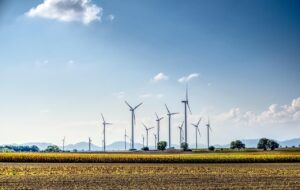
| Onshore utility-scale | Bulk power for transmission or regional grids | Lower average cost, mature supply chains and faster construction than offshore | Land use, local acceptance, permitting and transmission access |
| Offshore wind | Large-scale power near coastal load centers | Stronger marine wind resources and fewer road transport limits for large components | Higher capital cost, port and vessel needs, marine construction risk and grid connection complexity |
| Distributed wind | Onsite or local power for farms, communities, campuses or remote systems | Can reduce local energy purchases and support microgrids | Requires strong local wind resource, suitable zoning and site-specific maintenance planning |
The U.S. Department of Energy describes land-based utility-scale turbines as ranging from about 100 kW to several megawatts, while small distributed turbines below 100 kW can serve residential, agricultural or small commercial applications. Offshore turbines are generally larger because ships can move components that would be difficult to transport by road.
Costs and performance are improving, but averages hide local differences
Cost is one reason wind turbine renewable energy has become a mainstream power source. The International Renewable Energy Agency’s Renewable Power Generation Costs in 2024 report put the global weighted average levelized cost of electricity for onshore wind at USD 0.034 per kWh in 2024. IRENA described this as 53% lower than fossil fuel-based generation on a global average basis. Offshore wind had a higher global weighted average LCOE of USD 0.079 per kWh in 2024.
These figures are useful benchmarks, but they are not price quotes for every project. A high-quality onshore site with strong wind, a clear permitting route, available transmission and experienced contractors can look very different from a remote site with grid constraints. Offshore wind costs also vary sharply by region. IRENA reported lower offshore wind costs in China than in the European Union and North America, reflecting differences in supply chains, project execution and market structure.
Performance is also site dependent. Nameplate capacity shows what a turbine can produce under specific conditions, not what it produces every hour. Actual output depends on the wind resource, turbine availability, icing or extreme weather, curtailment, wake effects inside wind farms and grid dispatch rules. A strong project assessment therefore looks at annual energy production, not just turbine size.
The grid is becoming the main deployment challenge
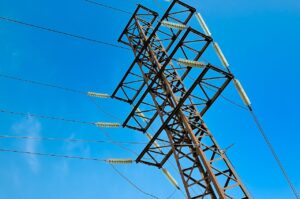
Wind turbines generate electricity only when wind conditions are suitable. That variability is manageable, but it has to be planned for. Grid operators need transmission capacity, forecasting, flexible demand, storage, dispatchable generation and market rules that reward reliability as well as energy volume.
The IEA’s Modernising Grids in the Age of Electricity report said that at least 1,700 GW of advanced-stage renewable projects and 600 GW of utility-scale batteries were awaiting connection in 2025. The same report estimated congestion costs of USD 12 billion in the United States and EUR 4.3 billion in the European Union in 2024. Those figures explain why the wind discussion has moved beyond turbine hardware. A project can have strong economics and still be delayed if the grid cannot absorb or move the power.
The IEA’s Renewables 2026 executive summary also highlights the integration challenge. It forecast that renewables could generate almost 45% of global electricity in 2031, up from 33% in 2025, while wind and solar PV together could reach more than 28% of total power generation by 2031. That growth would require more flexible power systems. The IEA noted that technical curtailment of wind and solar in key markets reached almost 200 TWh in 2025 and could exceed 800 TWh by 2031 under its assumptions. See also: clean energy.
The implication is straightforward: more turbines alone are not enough. Better interconnection planning, faster grid permitting, battery storage, hybrid wind-solar projects, dynamic line ratings and improved power-flow controls can help turn installed turbines into useful delivered electricity.
Siting, wildlife and community acceptance shape real project value
Wind turbines avoid fuel combustion during operation, but they still interact with landscapes, communities and ecosystems. Responsible development must address visual impact, sound, shadow flicker, landowner agreements, aviation, radar, cultural resources, birds, bats and marine life for offshore projects.
The Renewable Energy Wildlife Institute summarizes the issue carefully: wind power provides environmental benefits by generating electricity without carbon, water or air pollutant emissions during operation, but siting and operation can present risks to wildlife, especially individual birds and bats. The U.S. Department of Energy also notes that impacts vary by location and that developers use pre-construction studies, turbine siting and post-construction monitoring to reduce risks.
For communities, the strongest projects are usually those that treat engagement as part of design, not as a late permitting task. Clear setback rules, transparent sound modeling, local benefit agreements, road-use planning and decommissioning provisions can reduce conflict. In offshore wind, fisheries engagement, marine mammal monitoring and construction timing can be central to the project plan.
What to watch next in wind turbine renewable energy
The next stage of wind growth will be less about proving the technology and more about execution. Larger turbines can reduce per-megawatt balance-of-plant costs, but very large machines also place more pressure on blades, bearings, ports, cranes, vessels and transport infrastructure. GWEC reported in 2026 that the global average onshore turbine installed in 2025 exceeded 6 MW, while the average offshore turbine exceeded 10 MW. That scale can improve productivity, but it also raises the cost of failures and delays.
Supply chains are another watch point. GWEC’s 2026 update said Chinese manufacturers held a major share of 2025 installations, especially inside China, while Western manufacturers remained strong in several international markets. The IEA has noted that wind supply chains are more geographically diverse than solar PV supply chains, but competition is shifting as Chinese turbine makers expand internationally.
For power buyers, investors and policy readers, the most useful question is not simply whether wind is renewable. It is. The more practical question is whether a proposed wind project has the resource quality, grid route, permitting pathway, financial structure and operating plan needed to deliver reliable value over decades.
Frequently asked questions
Is wind turbine energy renewable?
Yes. Wind energy is renewable because it uses naturally replenished air movement rather than a finite fuel. A wind turbine does not consume the wind permanently; it converts part of the wind’s kinetic energy into electricity.
Do wind turbines produce electricity all the time?
No. Wind turbines produce power when wind speeds are within their operating range. They generate less during low-wind periods and may shut down during very high winds for safety. This is why wind is usually planned as part of a broader power system with transmission, forecasting, storage and other generation sources.
Why are onshore wind costs usually lower than offshore wind costs?
Onshore projects generally use more mature installation methods, simpler foundations and easier maintenance access. Offshore wind can access strong marine wind resources, but it also needs marine construction, subsea cables, specialized vessels, port upgrades and more complex operations.
What is the biggest barrier to more wind power?
In many markets, the largest barrier is no longer turbine technology. Grid connection, transmission capacity, permitting timelines, community acceptance and supply chain readiness often determine how quickly wind capacity can become operating electricity supply.
Can wind and solar work together?
Yes. Wind and solar often have different production patterns, so they can complement each other. Hybrid projects that combine wind, solar and batteries are attracting attention because they can use grid connections more efficiently and provide more controllable output than a single variable resource.